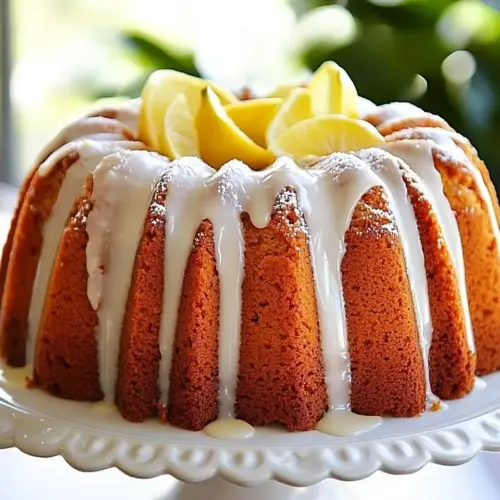
Lemon Poppy Seed Cake
Lemon Poppy Seed Cake is a bright, tender bundt cake with a creamy crumb and a subtle poppy seed crunch. The lemon zest and juice give a fresh citrus lift while the soak for the seeds intensifies their flavor. Perfect for spring brunches and easy entertaining, this cake stays moist for days and makes a lovely centerpiece to share.
Equipment
- 9 10 inch Bundt cake pan
- Electric Mixer
- Sifter
- wire cooling rack
- Small Saucepan
- Mixing Bowls
- Spatula
Ingredients
- 1 cup poppy seeds Addable crunchy seeds that provide nutty texture and visual interest throughout the cake batter; they also offer subtle flavor pops and a pleasant mouthfeel when toasted briefly before use.
- 1 cup milk (full fat recommended) Moistening liquid that contributes to the cake's tenderness and helps bloom the poppy seeds for better texture; full fat milk enriches flavor and creates a creamy crumb structure.
- 2 tablespoons honey Natural sweetener that imparts floral complexity and gentle sweetness while keeping the cake moist; honey also helps with browning and lends a sticky balance to the batter.
- 1/2 cup unsalted butter (room temperature) (1 stick) Creamy fat used for creaming with sugar to incorporate air, resulting in a tender, rich crumb; room temperature unsalted butter allows precise control over overall salt and flavor balance.
- 3/4 cup vegetable oil - canola and coconut work well Neutral-flavored fat that increases moistness and keeps the cake soft for several days; canola or coconut oil blends maintain tenderness without overwhelming other flavors.
- 1 1/2 cups sugar Granulated sweetener that provides bulk sweetness and assists with creaming to trap air for leavening; sugar also contributes to caramelization and crust color.
- 4 large eggs, separated (room temperature) Eggs supplying structure and leavening while adding richness; separating whites and yolks allows yolks to enrich the batter and whipped whites to lighten the texture.
- 3 tablespoons lemon zest Aromatic citrus zest delivering concentrated lemon oils that brighten flavor without adding acidity; zest enhances fragrance and reinforces the cake's lemon profile.
- 3 tablespoons freshly squeezed lemon juice Tart citrus juice offering bright acidity to balance sweetness and activate chemical leaveners; freshly squeezed juice ensures pure, vibrant lemon flavor.
- 1 1/2 teaspoons vanilla extract Flavor enhancer that rounds out the sweet and citrus notes with warm, deep aromatics; vanilla extract brings complexity and harmonizes other flavors.
- 1 cup sour cream (full fat recommended) Tangy dairy ingredient that contributes moisture, acidity, and a tender crumb; full fat sour cream adds richness and helps keep the cake soft and slightly dense.
- 2 1/2 cups flour Primary dry structure component that forms the cake's crumb when combined with liquids; all-purpose flour provides protein for gluten development and texture.
- 1 teaspoon baking soda Chemical leavening agent that reacts with acidic components to produce carbon dioxide and lift the batter; correct measurement ensures even rise without metallic taste.
- 1 teaspoon salt Flavor balancer that enhances sweetness and controls overall seasoning; salt strengthens gluten structure and brightens the cake's flavors.
- Powdered sugar for dusting (optional) Optional finishing dusting used to add a delicate visual finish and a touch of sweetness on the cooled cake; powdered sugar can be applied sparingly for an elegant presentation.
- 1 cup powdered sugar Fine sweetener used to make a smooth glaze or icing that adds sweetness and sheen; powdered sugar dissolves easily into liquids for a silky topping.
- 2 tablespoons freshly squeezed lemon juice Acidic liquid that loosens and flavors glazes, adding brightness and pourability; fresh lemon juice prevents the glaze from being overly thick while intensifying lemon character.
- 1 cup powdered sugar Fine powdered sweetener intended for making another smooth glaze or drizzle; powdered sugar blends with liquids to form a glossy, sweet finishing layer.
- 3 tablespoons fresh lemon juice Concentrated citrus juice used to flavor and thin the glaze for a pronounced lemon finish; fresh lemon juice ensures a tart, zesty balance to the sweetness.
- 1 tablespoon water Diluting liquid used to adjust glaze consistency for pouring or drizzling; water thins powdered sugar mixtures without altering flavor significantly.
Instructions
- Preheat oven to 350 degrees F. Grease a 9-10 inch Bundt cake pan (12 cup capacity) and set aside. If you prefer a crunchier, more seed-filled texture, leave the seeds whole. If you prefer a less crunchy cake with a more pronounced poppy seed flavor, grind the seeds in a coffee grinder. In a small saucepan, combine poppy seeds (whole or ground), milk, and honey. Stir till combined and bring to a boil over medium heat, stirring constantly. Let mixture boil for 1 minute, then remove from heat and let stand for 20 minutes or until lukewarm.: The scent of a properly preheated oven is faintly warm and dry, a neutral canvas for baking. A fully warmed oven ensures even rise and browning, so give it at least 10 minutes to stabilize. A common mistake is under preheating which causes uneven texture and longer bake times, so resist opening the door repeatedly while it heats.
- Place poppy seed mixture into a mixing bowl along with butter, oil and sugar. Beat on high until all ingredients are thoroughly mixed. Add egg yolks to the mixture and beat again on high. Add lemon zest, lemon juice, vanilla and sour cream and beat until blended.: You'll want a thin, even coat of grease that sits glossy on the pan, not globby. It helps the cake release cleanly and preserves the pan's details. If the cake sticks, it tears and looks ragged, so take a moment to grease the nooks and spray or flour lightly for insurance.
- Sift together flour, baking soda, and salt.: You can smell the faint nuttiness of whole poppy seeds when they toast; they offer little bursts as you bite. Grinding reduces the crunch but intensifies the internal seed flavor, which some cooks prefer. Avoid over grinding which can create a pasty texture rather than a pleasant seed presence.
- Gradually combine dry and wet ingredients, beating together until well combined. Scrape the sides of the bowl to make sure all dry ingredients are fully incorporated.: The aroma becomes more pronounced after grinding because oils are released. Expect a smoother mouthfeel and a more even distribution of poppy flavor. Don’t overdo the pulses, or you will produce a powder that behaves differently when soaked.
- In a separate clean and dry mixing bowl, beat egg whites to stiff peaks.: As the mixture warms the honey dissolves and the milk becomes infused with seed flavor, filling the kitchen with a gentle floral note. Bring to a gentle boil while stirring to prevent scorching. A common slip is heating too quickly and scorched milk, which gives an unpleasant burnt taste, so keep the heat moderate.
- Gently fold the egg whites into the poppy seed batter.: You should hear a soft, steady simmer and see tiny bubbles form and break at the surface. The continuous stirring releases seed flavor evenly and prevents the bottom from catching. If you leave it unattended the milk can scald and ruin the base for the cake, so stay attentive.
- Pour the batter into the Bundt pan. Bundt pan depths vary, so make sure the batter fills the pan 3/4 full or less. Do not fill beyond 3/4 or your cake might overflow during baking. Use a spatula to gently push the batter to the outside of the pan, pushing slightly up the walls. This will help to get rid of any air pockets that might interfere with the pretty details of the pan. Smooth the batter on the top so it is flat and even all the way around the pan.: During this rest the poppy seeds swell and the mixture cools so it won't cook the eggs when combined. The texture will thicken slightly and smell brighter. Rushing this step can yield under hydrated seeds that feel chalky in the cake.
- Bake cake in preheated oven for 55-65 minutes. When the edges darken and pull fully away from the sides of the pan and the cake browns all the way across the surface, it’s ready. You should be able to insert a toothpick into the thickest part of the cake and have it come out clean. The top of the cake might be a bit domed. If it bothers you, you can trim it down with a knife to flatten—and snack on the freshly baked trimmings. Yum!: When you combine warmed seed milk with softened butter , oil , and sugar , the fats mellow the sweetness and trap small air bubbles when beaten. The bowl should feel warm but not hot to the touch. If the mixture is too warm you risk melting the butter and losing the aeration you need later.
- Let the cake cool for exactly 10 minutes, then invert it onto a flat plate. Tap the Bundt pan gently to release the cake. If your cake sticks, use a plastic knife to carefully loosen the cake around the center tube and sides. Allow cake to cool completely.: You want a smooth, slightly lighter mixture where the sugar begins to dissolve and the fats incorporate fully. The sound is a steady hum from the mixer rather than sharp clanks. Overbeating once dry ingredients are added can lead to a tough cake, so stop when smooth.
- I have a few topping options for this cake. I prefer the lemon icing, personally, but they are all delish. I don't recommend combining options or you'll be on sugar overload! One topping should suffice, or none at all if you want something less dessert-like to serve with tea or coffee.: The yolks add silkiness and emulsify the batter, making it cohesive. Visually the batter becomes glossier and richer in color. If you add cold yolks they can seize slightly, so room temperature eggs work best to keep the mixture fluid and uniform.
- Option #1: Dust the cake with powdered sugar. To keep things neat, I like to do this part on a wire cooling rack with a piece of parchment paper underneath to catch extra sugar. You can simply do it on a plate if you prefer. Put 3 tbsp of powdered sugar into a handheld mesh strainer or sifter. Sprinkle sugar onto the top of the cake by tapping the strainer or sifting to release an even shower of sugar around the surface of the cake. Simple, yummy. Do this right before you serve to keep it looking pretty and fresh... it's a moist cake and it may "soak up" the sugar if left for a long period of time.: At this point the room will smell intensely citrusy and bright. The sour cream contributes acidity and moisture, which makes the batter pillowy. Mixing until just blended keeps the batter tender; overmixing activates the gluten in the flour too soon and risks a dense cake.
- Option #2: Frost the cake with lemony frosting. Again, best to put the cake on a wire cooling rack with a piece of parchment paper underneath to catch the drippings. Mix together 1 cup of powdered sugar and 2 tbsp fresh lemon juice in a small mixing bowl to form a tangy frosting with the texture of thick honey. With the help of a spoon, generously pour the frosting over the top of the cake so that it drizzles down the sides, but doesn't cover the entire cake completely. Allow icing to dry completely before serving—this usually takes about 30 minutes.: Sifting aerates the flour and evenly distributes the baking soda and salt , which is crucial for consistent rise. The sifted mixture should look light and uniform. Not sifting can leave lumps of leavening that create odd pockets or metallic tasting bites.
- Option #3: Warm lemon glaze. This one is decadent! In a small saucepan, combine 1 cup of powdered sugar with 3 tbsp lemon juice and 1 tbsp water. Warm up the glaze till it’s heated through and bubbling around the edges. Pour a few tablespoons of hot glaze over the warm cake slices just before serving. Oy. Vey.: As the dry components incorporate, the batter will thicken and change from glossy to a softer mass. Scrape the sides to catch any stray flour pockets. Adding the dry too quickly can create lumps and an uneven crumb, so fold in stages for the best texture.
- Personally, I like the icing option... I think it's the prettiest and the extra touch of lemony sweetness is absolutely delish. Enjoy!: The batter should be uniform with no streaks of raw flour . Use a rubber spatula to reach the bottom where dry mix settles. Missing this step can lead to pockets of uncooked flour in the finished cake.
- In a separate clean and dry mixing bowl beat egg whites to stiff peaks: The whites should be glossy and hold sharp peaks that do not slump. This adds lift and air to the batter when folded in. Any trace of fat or yolk prevents the whites from whipping properly, so ensure the bowl and beaters are spotless.
- Gently fold the egg whites into the poppy seed batter: Folding preserves the trapped air and gives the cake a light structure, you will see soft ribbons as the whites are incorporated. Use gentle sweeping motions, turning the bowl as you go. Vigorous stirring knocks out air and yields a denser loaf, so be patient and gentle.
- Pour the batter into the Bundt pan: The batter should fill the pan about 3 4 full; it will flow slowly and settle into the details. Use a spatula to push batter evenly toward the sides to avoid air pockets. Overfilling risks overflow and underfilling may make the cake shallow and dry, so watch the level carefully.
- Bake cake in preheated oven for 55 65 minutes: Look for the edges to darken and pull away and the top to be evenly browned, with a clean toothpick when inserted in the thickest part. The kitchen will smell warmly citrusy and slightly of toasted seeds. Opening the oven too early causes temperature shock and uneven baking, so wait until near the lower end of the time range before checking.
- Let the cake cool for exactly 10 minutes then invert it onto a flat plate: The initial rest allows the structure to set so it unmolds cleanly. Tap the pan gently to release any stuck bits. If you try to invert too soon the cake can crack or break, and if you wait too long cold shrinkage can make unmolding harder, so try to hit that sweet spot.
- Tap the Bundt pan gently to release the cake if your cake sticks use a plastic knife to carefully loosen the cake around the center tube and sides: The sound is a light hollow ring when the cake is free, and the surface should look intact. Work slowly around the tube to avoid gouging the crumb. Using a metal knife can scar the pan and the cake, so plastic or silicone is safer.
- Allow cake to cool completely: Cooling fully ensures the crumb firms and the flavors meld; it also prevents glazes from melting into the cake. The cake will smell richly of lemon and the surface will be matte. Glazing a warm cake will create a runny finish rather than a set glaze, so patience pays off.
- Option 1 Dust the cake with powdered sugar: Freshly dusted powdered sugar looks like a soft snowfall and adds a whisper of sweetness. Sifting right before serving keeps it bright and white. Dust too early and the sugar will dissolve into the moist cake and lose its decorative charm.
- Option 2 Frost the cake with lemony frosting: A frosting made from powdered sugar and lemon juice should be thick like honey and poured from a spoon to create ribbons that cling to the sides. It dries to a matte sheen in about 30 minutes. Pouring before the cake is fully cool can make the frosting soak in and become flat, so make sure the cake is at room temperature.
- Option 3 Warm lemon glaze: The warm glaze made with powdered sugar lemon juice and a little water should shimmer and bubble gently at the edges when ready. Spoon a few tablespoons over warm slices for a decadent contrast of temperatures. Boiling too vigorously can make the glaze grainy, so keep the heat low and stir constantly.
- Personally I like the icing option: The finished cake should be lively with citrus, tender in crumb, and dotted with seed specks. Serve on a platter that shows off the Bundt shape and watch people smile as they help themselves. A common misstep is combining multiple toppings which overwhelms the palate, so choose one finishing touch.
Notes
- Use full fat dairy: Choosing whole milk and full fat sour cream adds body and prevents the cake from drying out quickly; leaner options can produce a denser crumb and less flavor.
- Combine fats for best texture: The blend of room temperature butter and neutral oil balances flavor and moisture, giving a tender crumb that stays soft longer than butter alone.
- Don’t skip the seed soak: Warming poppy seeds in milk and honey unlocks flavor and softens the seeds so they integrate into the crumb, preventing gritty pockets.
- Check bake visually: Rather than relying only on time, look for the edges pulling away and a golden even top; a clean toothpick in the center confirms doneness without overbaking.
- Choose one topping: Stick with a single finishing approach, whether dusting, icing, or warm glaze, to keep flavors balanced and avoid cloying sweetness.