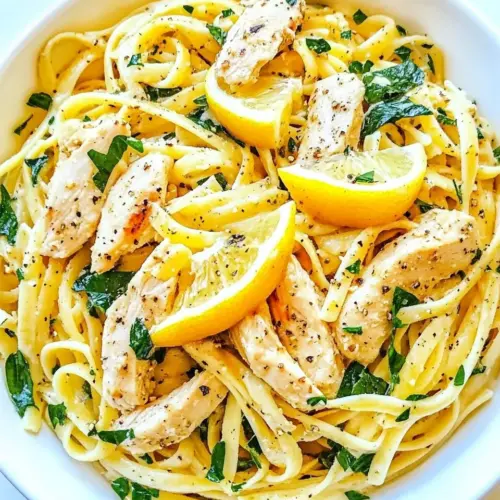
Lemon Pepper Chicken Pasta
Lemon Pepper Chicken Pasta is a creamy bright, easy weeknight dinner that balances zesty lemon, peppery spice, and tender chicken with toothsome pasta. Quick to prepare and full of fresh herb aroma, it’s perfect for spring meals and make ahead lunches. This comforting dish delivers flavor and convenience, making it a must try when you want a fast, satisfying dinner.
Equipment
- Large Pot
- Large Skillet
Ingredients
- 1 pound rotini, cooked according to package directions (small shells, wheels, bowtie, penne, or small-shaped pasta may be substituted) Boil until al dente following package directions to provide the primary starchy base and texture for the dish; holds sauce and flavors. Offer flexibility for substitution with small shells, wheels, bowtie, penne, or other small-shaped pasta to maintain similar mouthfeel.
- 1.25 pound boneless skinless chicken breasts, diced into bite-sized pieces Dice into bite-sized pieces to ensure quick, even cooking and tender bites throughout the pasta; serves as the main protein that adds substance. Brown in batches if needed to develop savory flavor before combining with other ingredients.
- 4 tablespoons olive oil, divided Divide and use partly for cooking and partly for finishing to add richness and help carry flavors; provides a golden medium for sautéing the chicken and garlic. Reserve some for drizzling or tossing with the finished pasta to enhance mouthfeel and gloss.
- 1 to 2 teaspoons lemon pepper, or to taste Season to taste to deliver bright citrusy heat and aromatic complexity, adjusting between 1 to 2 teaspoons based on preference; acts as the signature seasoning for the dish. Balance with salt and lemon juice to avoid overpowering the other components.
- 1 teaspoon kosher salt, or to taste Season to taste and help enhance all other flavors while controlling seasoning levels; kosher salt promotes proper seasoning of the chicken and pasta. Add progressively and taste, particularly when using salty ingredients or finishing with cheese.
- 3 to 4 cloves garlic, finely minced or pressed Mince or press finely to release pungent aromatics that form a savory backbone when sautéed; combines with olive oil to infuse the dish with garlic flavor. Add toward the end of sautéing to prevent burning and preserve bright garlic notes.
- 1/4 cup lemon juice Squeeze fresh to add bright acidity and lift that balances the richness of oil and chicken while reinforcing the lemon pepper flavor; helps create a light, tangy sauce. Adjust amount for preferred tartness and consider adding gradually while tasting.
- 6 ounces fresh baby spinach Wilt gently to add fresh leafy texture, subtle earthiness, and nutritional value; integrates quickly into the warm pasta to provide color contrast and moisture. Add at the end of cooking so leaves soften but retain some structure.
- 1/2 cup fresh basil, minced, or to taste Mince and use to contribute fresh herbal brightness with a sweet, peppery aroma that complements lemon flavors; adds a finishing freshness and aroma. Stir in at the end to preserve vibrant color and aromatic impact.
Instructions
- To a large pot, boil the pasta according to package directions; drain and return to the large pot.: You will hear the water at a rolling simmer before adding the pasta , and once it hits the pot it should bubble steadily. The fragrance of starchy steam is comforting, and draining when the pasta is al dente means it still has a slight chew, which helps it hold sauces and pan juices. When you toss it back into the pot, the residual heat keeps it from cooling too quickly. A common mistake is overcooking, which turns the pasta mushy and unable to carry the dressing, so set a timer and taste a strand or two a minute before the package time ends.
- While pasta cooks, to a separate large skillet, add the chicken, drizzle with 2 tablespoons olive oil, evenly season with lemon pepper, salt, and cook for about 5 minutes, or until chicken is cooked through. Stir and flip intermittently to ensure even cooking.: As the chicken hits the hot skillet, you should hear an immediate sizzle and begin to smell savory notes rising, signaling a good sear is forming. The surface will turn a light golden brown where it contacts the pan, adding depth through the Maillard reaction, and those browned bits are flavor gold. Stirring and flipping intermittently promotes even color without steaming the meat, which preserves juiciness. If you crowd the pan the chicken will steam instead of brown, so give each piece room. Check one piece by cutting the center to ensure there is no pink remaining.
- Add the garlic and cook for one minute, or until fragrant. Stir nearly constantly.: The moment the minced garlic hits the warm oil and chicken , its aroma should bloom quickly, and the pan will smell bright and inviting. Stirring nearly constantly prevents localized burning, which causes bitterness and ruins the dish. One minute is usually enough for garlic to brighten the pan; watch for tiny golden flecks rather than dark brown bits. If the garlic browns too fast, reduce the heat immediately and remove the pan from direct high heat to avoid a bitter aftertaste.
- Add the lemon juice, half the spinach, stir to combine, and cover skillet with a lid for about 2 minutes to encourage spinach to wilt.: When you add the lemon juice , you will notice a fresh, tangy lift as it mixes with the pan juices, loosening browned bits from the bottom. Adding half of the spinach allows it to begin wilting into the hot pan without overwhelming the heat source, and covering the skillet traps steam, speeding the process while keeping color vivid. After about 2 minutes the leaves should have softened and released a little moisture that mingles with the lemony sauce. A common error is leaving the lid on too long, which steams the chicken and greens into a soggy texture, so check early.
- Add the remaining half of the spinach, and stir to combine until wilted.: The second addition of spinach folds in quickly and evenly, bringing a lush green visual and a delicate earthy note to the dish. Stirring helps each leaf touch the warm pan and gently wilt, preserving some structure so the greens do not become a limp mass. You will notice the volume shrink dramatically as the leaves soften. Avoid over stirring once fully wilted, because aggressive handling can bruise the leaves and make them watery.
- Add the chicken, spinach, and all cooking juices to the pot with the cooked pasta, and stir to combine.: When you transfer the scented chicken and wilted spinach into the pot, the mingling aromas intensify, and the starchy pasta soaks up those savory, lemony juices. Using a large pot makes tossing easier, ensuring each piece of pasta gets a bit of sauce and bits of garlic . The sound will be a soft shuffling as ingredients combine, and visually you will see the pasta take on a light sheen. A misstep here is waiting too long to combine, which allows the pan juices to cool and makes the dish less cohesive.
- Add the basil, remaining 2 tablespoons olive oil, and stir to combine. Serve immediately. Recipe will keep airtight in the fridge for up to 5 days.: Finishing with minced fresh basil and the remaining olive oil brings a fragrant lift and glossy finish. The basil aroma will hit first, followed by the warm citrus notes, and the oil smooths the texture so each forkful glides. Serve right away so the herbs stay alive and the pasta remains warm. One common mistake is letting the dish sit too long; the herbs will fade and the pasta will firm up as it cools, reducing the fresh impression. Store airtight in the fridge for up to 5 days if needed.
Notes
- Timing matters: Bring a large pot of water to a vigorous boil before adding pasta so it cooks evenly and does not clump.
- Even cuts: Dice the chicken into uniform pieces so everything cooks through at the same rate and no piece ends up dry or underdone.
- Watch the garlic: Minced garlic cooks quickly and can burn in under a minute, so keep it moving in the pan to avoid bitterness.
- Finish with cold oil: Adding the remaining olive oil off heat gives a silky texture and preserves the brightness of the herbs.
- Storage tip: Store leftovers airtight in the fridge for up to 5 days, and reheat gently to keep the spinach from turning slimy.