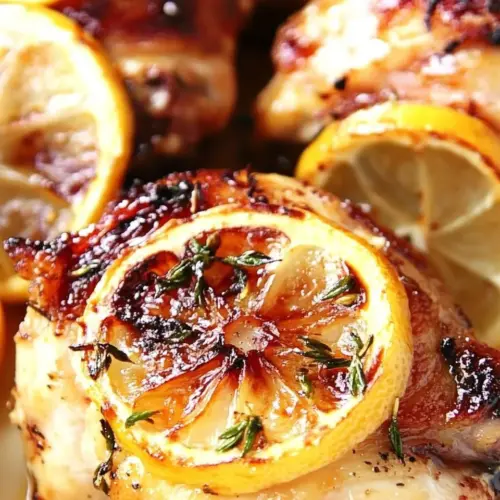
Lemon Garlic Roasted Chicken Thighs
Lemon Garlic Roasted Chicken Thighs are crispy, tangy, and deeply savory, making them an ideal easy weeknight dinner. Juicy bone in skin on thighs are seared and roasted with bright lemon and aromatic garlic for a rich pan sauce that elevates every bite. This straightforward recipe delivers restaurant worthy flavors with minimal fuss, perfect when you want something satisfying and quick to make.
Equipment
- Skillet
- Oven
- Instant read thermometer
Ingredients
- 4 bone-in skin-on chicken thighs Season generously to enhance overall flavor and help crisp the skin while roasting; salt draws out moisture to concentrate juices and encourages browning. Use under and over the skin to penetrate the meat, balancing other savory and acidic components for a well-rounded dish.
- salt and pepper Season and spice to provide background seasoning and a warm, slightly sharp heat; pepper brightens flavors and lifts the richness of the chicken. Adjust coarseness and quantity to taste to complement garlic and lemon without overpowering them.
- 2 teaspoons dried oregano Flavor assertively with dried oregano to introduce an earthy, slightly minty herbaceous note that pairs well with citrus and garlic. Sprinkle evenly so it rehydrates during cooking and releases aromatic oils into the pan and meat.
- 2 tablespoons olive oil Coat and baste with olive oil to promote even browning, prevent sticking, and carry flavors across the chicken surface; oil helps herbs and seasonings adhere. Use a fruity or mild variety to contribute subtle Mediterranean aroma while keeping the meat moist.
- 1 tablespoon butter Enrich and brown with butter to add a creamy, nutty richness that helps baste the thighs as they roast and develop color. Combine with oil to raise the smoke point while delivering glossy pan juices and deeper savory flavor.
- 1/2 red onion sliced into rings, separated Layer and caramelize sliced red onion rings to contribute mild sweetness, texture, and a hint of sharpness once softened; rings separate to distribute flavor evenly around the thighs. Tuck slices into the pan so they cook in rendered fat and absorb savory juices for balanced depth.
- 4 cloves garlic minced or grated Aromatize finely by mincing or grating garlic to release pungent, savory oils that infuse the chicken and pan sauce; garlic mellows and sweetens when roasted. Rub or scatter evenly to ensure uniform flavor and avoid burning by mixing with oil or butter.
- 1 whole lemon Zest and quarter to maximize bright citrus aroma and concentrated oils from the peel; using the whole lemon provides both juice and fragrant rind during roasting. Squeeze and place pieces in the pan to add acidity, aroma, and lightly caramelized citrus notes to the dish.
- 4 teaspoons soy sauce Enhance umami with soy sauce to add savory depth, saltiness, and a subtle caramel color to pan juices; it complements the lemon and garlic while boosting overall savory balance. Use sparingly to avoid overpowering citrus and herb flavors but enough to round out the sauce.
- 2 tablespoons lemon juice Brighten and tenderize with lemon juice to add fresh acidity that cuts through richness and lifts flavors; it balances salt and fat while slightly aiding in meat tenderization. Drizzle over finished thighs or include in the pan to create a lively, citrus-forward glaze.
Instructions
- Preheat oven to 400 degrees F.: You should feel the warmth of the kitchen change as the oven comes up to temperature, and a properly preheated oven ensures the roast phase crisps the skin rather than slowly cooking it to sogginess. Preheating also creates predictable timing for the internal temperature to reach the safe zone. A common slip is not preheating long enough, which can lengthen cook time and prevent browning. If your oven runs cool, use an oven thermometer to confirm accuracy.
- In a large skillet (mine is 11" cast iron), heat up olive oil and butter over medium heat.: As the fat warms, you'll see a thin shimmer on the surface and smell a nutty butter aroma when it just starts to foam. This blend gives a higher smoke point and richer flavor than either fat alone. The hot fat is what creates an immediate sizzle when the chicken hits the pan, sealing juices and building Maillard flavor. Avoid overheating until the fats smoke, as that will introduce bitterness and ruin the buttery notes.
- Season chicken thighs with salt and pepper and oregano.: The seasoning step should feel tactile as you rub the herbs and salt into the skin, and you should see the granules glint on the surface. Seasoning early helps draw moisture from the skin for better crisping and allows the oregano to adhere, releasing aroma as it heats. One mistake is under seasoning, which makes the final dish bland; taste the pan sauce at the end for balance and correct if needed.
- Place chicken skin-side down in pan. Cook for 4 to 5 minutes.: When the thighs meet the hot fat you'll hear a satisfying sizzle and begin to smell roasting meat. After a few minutes the skin should turn a deep golden brown where it contacts the pan, and the thigh will release easily when properly seared. This initial sear builds a crispy exterior and concentrated flavor. If the skin sticks, it may not have rendered enough fat or the pan was too cool; give it another minute before trying to flip.
- Flip chicken over, cook for 5 more minutes.: After flipping you'll notice the underside take on color and the pan accumulate browned bits and fat, which are flavor gold. This stage partially cooks the interior and continues to render fat from the skin. You want a warm, steady sizzle rather than an aggressive burn. If smoke rises excessively, lower the heat slightly and spoon some fat out if needed to avoid bitter flavors.
- Add garlic, soy sauce and lemon juice to pan.: The moment you add the garlic the aroma will turn savory and pungent, while the soy sauce deepens the pan liquids and the lemon juice brightens them. These liquids will mingle with the browned bits to create a layered sauce. Stir gently so the garlic softens but does not burn, as burnt garlic becomes acrid. If your pan juices seem too salty after the soy sauce, a squeeze more lemon can balance it.
- Place onion rings and lemon slices over chicken.: When you lay the red onion rings and lemon slices across the thighs they will catch the juices and roast into tender, aromatic companions. You'll notice the onion soften and the lemon rinds lightly caramelize, contributing sweet and floral notes. Distribute them evenly so each thigh gets some contact. Avoid piling too many slices in one spot, which can trap steam and prevent browning.
- Place skillet in oven. Roast for 25 minutes OR until the internal temperature of each thigh is 165 to 175 degrees F. Spoon the pan juices over chicken half way through roasting.: In the oven the air moves heat evenly around the skillet, and you'll start to see bubbling juices and more concentrated color on the skin. Basting halfway through encourages even flavor distribution and keeps the surface glossy. Use an instant read thermometer to check doneness; probe near the bone for accuracy. A frequent error is relying only on time instead of temperature, which can yield undercooked meat or, conversely, dry thighs.
- Remove from oven and let sit 10 minutes before serving. Drizzle pan sauce over chicken and serve.: Resting lets the juices redistribute, so when you cut into a thigh the meat remains juicy rather than losing liquid onto the plate. During this time the pan sauce thickens slightly and flavors meld, so the final drizzle coats the meat beautifully. Serve warm, and if the sauce seems thin after resting, return the skillet to the stovetop for a quick reduction. Cutting too soon causes the juices to run out, so patience pays off.
Notes
- Warm pan is your friend, ensure your skillet is hot enough so the chicken sizzles on contact, which builds a deeply flavored crust quickly without overcooking the interior.
- Pat chicken dry, wiping excess surface moisture from the skin helps it brown rather than steam in the pan, giving you better texture.
- Use fresh lemon juice, fresh juice has brighter acidity and cleaner aroma than bottled, which lifts the final pan sauce more effectively.
- Don’t burn the garlic, add it after the initial sear or lower heat, because burnt garlic becomes bitter and can spoil the sauce.
- Check internal temperature, rely on a thermometer rather than time to guarantee juicy, safe chicken every time.
- Adjust salt after soy, taste the pan juices before adding more salt, as the soy sauce contributes significant sodium.
- Rest before serving, a 10 minute rest lets the juices redistribute so the meat stays moist when carved.