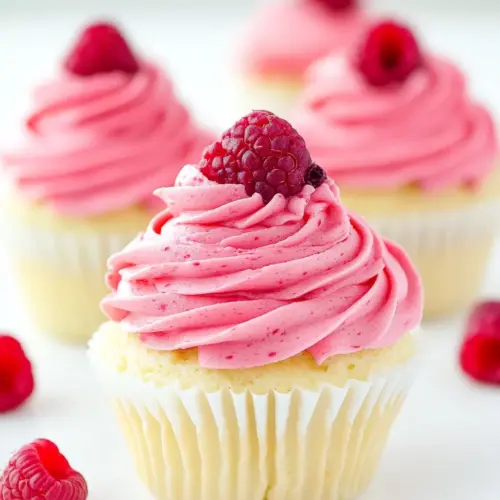
Lemon Cupcakes with Raspberry Buttercream
Lemon Cupcakes with Raspberry Buttercream offer a bright, tender cake with tangy citrus notes and a fluffy, fruity frosting. The lemon sugar amplifies aroma while a reduced raspberry puree keeps the buttercream vivid and balanced. These cupcakes are perfect for spring brunches or easy entertaining, delivering bakery quality at home and a compelling reason to bake them today.
Equipment
- 12 mould muffin tin
- Paper liners
- Stand mixer or hand mixer
- Medium Saucepan
- Mixing Bowls
- Cooling rack
Ingredients
- 1 1/2 cup s + 2 tablespoons cake flour Sifted and measured precisely to provide a tender, delicate crumb in the cupcakes; cake flour reduces gluten development and yields a softer texture than all-purpose flour. Adjusted with the added two tablespoons to reach the correct volume and maintain lightness while absorbing wet ingredients evenly.
- 1 1/4 teaspoons baking powder Leavening agent that creates lift by producing carbon dioxide when combined with wet ingredients and heat; baking powder ensures cupcakes rise evenly and attain a light, airy structure. Used in the correct proportion to avoid overly fast rise that could cause collapse or a bitter aftertaste.
- 1/4 teaspoons salt Balances flavor and enhances other ingredients while regulating gluten strength slightly; salt sharpens sweetness and rounds out the cupcake batter. Included in a small quantity to avoid overwhelming the delicate lemon profile and to promote even fermentation of proteins.
- 1/2 cups sour cream (I used full fat) Adds moisture and a slight tang that contributes to tender crumb and flavor depth; sour cream’s fat and acidity help emulsify the batter and keep cupcakes moist after baking. Full-fat sour cream adds richness and encourages a finer, creamier texture in the finished cake.
- 1/2 cup milk (I used whole) Thins the batter to the proper consistency and contributes fat and body when whole milk is used; milk hydrates dry ingredients and helps dissolve sugar for even texture. Whole milk adds additional richness and aids in achieving a smooth batter that bakes to a soft crumb.
- 2 large eggs, at room temperature Provides structure, leavening support, and richness; eggs coagulate during baking to set the crumb and trap air incorporated during mixing. Room-temperature eggs emulsify better with fats and liquids, promoting a uniform batter and consistent rise.
- 1 stick (4 ounces) unsalted butter, melted Introduces fat and moisture while contributing a subtle buttery flavor; melted unsalted butter blends smoothly into the batter and impacts texture by tenderizing gluten. Using unsalted butter allows precise control of salt levels in the recipe.
- 1 cup granulated sugar Sweetens the batter and aids in browning and moisture retention; granulated sugar helps create a fine crumb and tender texture when creamed or mixed with other ingredients. Amount influences sweetness level and interacts with acid to balance the lemon flavor.
- Zest of one lemon (about 3 teaspoons) Provides concentrated citrus oils that impart bright, aromatic lemon flavor throughout the cupcakes; zest adds essential oils without extra acidity and enhances freshness. Zest amount can be adjusted slightly for more or less intense lemon aroma.
- 1 1/2 tablespoons fresh lemon juice Contributes fresh citrus acidity to balance sweetness and activate baking powder slightly; lemon juice adds bright flavor and a subtle tang to complement the zest. Fresh juice integrates best for a clean lemon taste and helps tenderize the crumb.
- 1 1/4 cups frozen raspberries (I think fresh would also work just fine) Offers intense raspberry flavor and color when folded or pureed into frostings or fillings; frozen raspberries can be gently thawed and strained to remove seeds for a smoother texture. Their natural acidity and fruitiness complement the lemon elements and add a fruity contrast.
- 2 tablespoons lemon juice Adds additional concentrated lemon flavor for balancing the buttercream or cake components; this lemon juice can be used to enhance tartness and brighten the overall flavor profile. Measured separately to ensure proper acidity in the buttercream or filling without overpunching the batter.
- 2 sticks (8 ounces) unsalted butter, VERY soft Forms the base and structure of the buttercream, providing stability, richness, and mouthfeel; very soft unsalted butter whips to a light, airy consistency when combined with sugar. Using unsalted butter allows control over salt content and ensures a smooth, spreadable frosting.
- 1/2 teaspoons salt Enhances the overall flavor and balances sweetness by adding a subtle savory note; salt in the buttercream helps accentuate both lemon and raspberry flavors. Measured precisely to avoid a salty finish while ensuring the frosting tastes rounded and flavorful.
- 3 1/2 cups confectioners sugar (more if needed), sifted Sweetens and stabilizes the buttercream, contributing to structure and peak holding by absorbing butter moisture; sifted confectioners sugar prevents lumps and ensures a silky, smooth frosting. Quantity can be adjusted to reach desired stiffness while maintaining a balanced sweetness.
- 1 tablespoon heavy cream (more if needed) Adds richness and helps achieve a smoother, creamier frosting consistency; heavy cream loosens thick buttercream and contributes a silkier mouthfeel. Small additions allow precise control over spreadability and texture without over-thinning the frosting.
- 1/4 cup fresh raspberries, for decorating (optional) Provides a fresh, bright garnish that reinforces the raspberry flavor and adds visual appeal; whole raspberries placed on top give texture contrast and a burst of fresh fruit. Optional use allows for a decorative finish without altering the core recipe balance.
Instructions
- Preheat oven to 350 degrees (F). Line a 12 mold muffin tin with paper liners; lightly spray the paper liners with non-stick baking spray; set aside.: As the oven warms you should notice a faint warmth and a dry, toasty scent from the heating element, which signals the proper environment for even rise. This step establishes an accurate starting temperature so the cupcakes bake evenly, producing domes that set quickly without sinking. If your oven runs hot or cold, an oven thermometer helps you avoid uneven browning, which is a common trouble. Make sure liners are fitted snugly so batter spreads evenly rather than pooling on one side.
- In a medium bowl combine flour, baking powder, and salt; mix well to combine; set aside.: The dry mix should look pale and uniform, with no streaks of leavening. Whisking distributes the baking powder so each cupcake gets the right lift and the salt is dispersed to balance sweetness. Properly combined dry ingredients prevent pockets of baking powder that can create salty or bitter spots. Avoid compressing the mixture into the bowl, which makes it harder to mix smoothly later.
- In a large measuring cup or bowl combine sour cream, milk, and egg; mix well to combine; set aside.: The wet mix should be smooth and slightly thick from the sour cream , with the egg fully incorporated. Room temperature eggs blend more easily with dairy, producing a silkier batter and better emulsion when combined with melted butter . If the wet ingredients are too cold, you may see small chunks of butter after mixing, which can affect texture. Let the mixture sit a few minutes if it seems too cold before adding.
- In a small bowl combine the sugar and lemon zest; rub the lemon zest into the sugar until fragrant and well combined.: Rubbing the lemon zest into the granulated sugar releases aromatic oils, and you will smell a bright, citrus perfume as you work. The sugar should appear slightly moistened and cling to the zest, indicating the oils have been transferred. This little ritual elevates the flavor far beyond simply adding juice. If you skip rubbing, the lemon aroma is noticeably weaker, so take the extra minute for this payoff.
- In a large bowl or stand mixer fitted with the paddle attachment beat the melted butter and lemon sugar on medium-speed until well combined; about 2 minutes. Add in the lemon juice and beat for another minute on medium-speed. Slowly add the flour mixture to the butter/sugar combination, beating until just combined. Add in sour cream/milk/egg combo and beat on low until just combined. Over-mixing will result in a dryer/denser cake.: You will see the mixture turn glossy and cohesive, the melted butter marrying with the lemon scented sugar . The mixture should smell warmly of citrus and look slightly aerated. This step creates a base that spreads flavor evenly through the batter, and failing to blend thoroughly can leave greasy pockets. Keep speed moderate so you do not incorporate excess air, which could change crumb structure.
- Divide the cupcake batter evenly into the 12 molds, then place the pan in the oven. Bake for 17-19 minutes, or until a toothpick inserted into the center of a cupcake comes out clean (or with just a few solid crumbs). Allow cupcakes to cool in the pan for a few minutes, then transfer them to a cooling rack to cool completely. Once cool, frost with the raspberry buttercream and extra berries.: When the lemon juice is added, the mixture may thin briefly and the scent becomes tangier, signaling that the acid is active. Beating ensures the juice is evenly distributed so every cupcake has a consistent citrus note. If the mixture separates or looks curdled, gentle mixing and adding the wet mixture gradually helps re emulsion. Do not over beat here as that can incorporate too much air leading to collapsed cupcakes.
- Combine the raspberries and lemon juice in a small saucepan; bring to a simmer over medium heat. Once simmering, stir the mixture occasionally, breaking up the berries with a wooden spoon, until the raspberries have become soft enough to mash effortlessly. It will look like raspberry jam. Once the mixture can coat a spoon (you should have about 1/4 cup of raspberry puree) remove from heat. Allow mixture to cool completely before using.: As you fold in the dry mix, the batter will thicken and change from glossy to cake batter consistency. You want streaks of flour to disappear without overworking the gluten in the cake flour . Mixing only until combined preserves tenderness, and overmixing is a common cause of a tough, dense crumb. If you notice the batter becoming gummy, stop mixing immediately and switch to gentle folding.
- Place the softened butter in a large bowl or in the body of a stand mixer. With a handheld mixer, or with the paddle attachment on your stand mixer, beat butter on medium-high (scraping down the sides as needed) until completely smooth; about 2 minutes. Add in the raspberry puree and beat until completely combined; about 1 minute (don't worry if the mixture looks weird at this point). Add in the confectioners sugar, one cup at a time, on low speed. Once all of the sugar has been added, add in the cream and salt, then beat on high-speed for a full 2 minutes - this thickens up the frosting and makes it nice and fluffy. Frost cooled cupcakes as desired.: Incorporating the wet mix at low speed yields a smooth, slightly loose batter with small air bubbles visible when you lift the paddle. The sour cream and milk bring richness and moisture, creating a batter that will yield a soft interior after baking. Avoid high speed here because vigorous mixing can create tunnels and a coarse crumb. If lumps remain, fold gently with a spatula until uniform.
- Divide the cupcake batter evenly into the 12 molds then place the pan in the oven: The batter should have a silky sheen and pour easily into the liners, filling each about two thirds full. Even distribution ensures consistent baking times and uniform tops for frosting. Tap the pan lightly to release large air bubbles but avoid jostling the batter which can deflate it. Uneven filling leads to some cupcakes overbaked while others remain underdone, so use an ice cream scoop for accuracy.
- Bake for 17 to 19 minutes or until a toothpick inserted into the center of a cupcake comes out clean or with just a few solid crumbs: During baking you will smell a warm, citrus aroma and see the tops become pale gold. A light spring back when touched gently indicates readiness, along with the toothpick test. Opening the oven too often can cause uneven rise and sinking, so check only near the lower end of the time range. If a toothpick has wet batter, return the cupcakes and check again in a few minutes to avoid underbaking.
- Allow cupcakes to cool in the pan for a few minutes then transfer them to a cooling rack to cool completely: Letting them rest briefly in the pan helps the structure set so they do not collapse when moved. Once on the cooling rack, you will notice steam dissipating and the tops becoming firmer. Frosting warm cupcakes will cause the buttercream to melt, so patience is important to preserve texture. If you are short on time, chilling the cupcakes briefly can speed cooling, but do not over chill which can dry them out.
- Once cool frost with the raspberry buttercream and extra berries: Properly cooled cupcakes keep the buttercream glossy and structured. When you pipe the frosting you should hear a soft squeak from the piping bag and see clean peaks form. Press a fresh raspberry on top for a pretty finish, adding contrast in color and texture. If frosting appears soft, refrigerate the frosted cupcakes briefly to set before transporting.
- Combine the raspberries and lemon juice in a small saucepan bring to a simmer over medium heat: The raspberries will quickly release juices and the mixture will steam as it heats, bubbling gently when simmering. Stirring breaks down the fruit into a loose puree and the scent becomes intensely fruity and tangy. Simmering concentrates flavor and helps reduce raw berry taste, which is why this step is important. Avoid high heat which can scorch and darken flavor, and stir often to prevent sticking.
- Once simmering stir the mixture occasionally breaking up the berries with a wooden spoon until the raspberries have become soft enough to mash effortlessly it will look like raspberry jam remove from heat: The mixture should coat the spoon and have a deep pink red color, indicating it has reduced to about a quarter cup. This concentrated puree provides vivid flavor and preserves the fresh fruit brightness when mixed into the frosting. Over reducing makes it too thick and intensely tart, while under reducing leaves a raw texture. Let cool completely so it does not melt the frosting when added.
- Place the softened butter in a large bowl or in the body of a stand mixer beat butter on medium high scraping down the sides as needed until completely smooth about 2 minutes: The butter should turn pale and pillowy, with a light, creamy aroma. Achieving the right softness makes for a silky buttercream that holds its shape when piped. If the butter is too cold you will see lumps that resist incorporation; if too warm the frosting can become greasy. Work in short bursts and scrape the bowl to ensure even texture.
- Add in the raspberry puree and beat until completely combined about 1 minute: The bowl will fill with a fragrant berry scent and the mixture may look slightly loose at first, but it will come together as you add the confectioners sugar . The color should be an even pinkish hue and streak free. If the puree is warm, wait until it cools to avoid melting the butter. A common error is adding puree that is too hot which yields a thin, weeping frosting.
- Add in the confectioners sugar one cup at a time on low speed: Adding the confectioners sugar gradually prevents a cloud of sugar and lets you control the frosting texture. The frosting should thicken steadily and become creamy; stop and scrape when the texture seems even. Adding sugar too quickly creates a gritty or overly sweet buttercream, so patience ensures a smooth finish.
- Once all of the sugar has been added add in the cream and salt then beat on high speed for a full 2 minutes: Beating at high speed aerates the frosting, making it fluffy and light, and the heavy cream smooths the consistency while the salt balances sweetness. You will see the frosting transform into glossy peaks that hold their shape. Over beating for too long can make the frosting too airy and unstable, so two minutes is a reliable target. If the frosting seems too soft after beating, chill briefly to firm up.
- Frost cooled cupcakes as desired: The final step should feel satisfying as you pipe clouds of the raspberry buttercream over each cupcake, hearing the soft pressure as the bag moves. Smooth swirls hold peaks and the color creates a vivid contrast with the pale yellow cake. If the frosting ribbons look droopy, pop the tray in the fridge to set before serving. Garnish each with a fresh raspberry if you like, placing it gently so it retains its shape.
Notes
- Storage guidance Store cupcakes in an airtight container in the refrigerator for up to three days. Cold storage helps the buttercream remain firm and the cupcakes stay moist. When serving, bring them to room temperature for about 20 to 30 minutes so the cake softens and the flavors open up. If you need to transport them, place them in a shallow, well padded container and refrigerate until just before leaving to keep the frosting from shifting.
- Make ahead components You can make the raspberry puree a day ahead and refrigerate it in a sealed jar. When ready to make the frosting, ensure the puree is completely cold so it does not soften the butter. This saves active time on the baking day and lets the flavors meld. If the puree thickens in the fridge, stir in a teaspoon of lemon juice to loosen slightly before adding to the butter.
- Measuring accuracy For consistent results weigh cake flour where possible; if measuring by volume, spoon and level rather than scooping to avoid packed flour. Accurate measuring helps maintain the tender texture you expect from these cupcakes. A kitchen scale removes guesswork and keeps texture consistent across batches.
- Adjusting frosting sweetness If your confectioners sugar makes the buttercream too sweet, add an extra teaspoon of lemon juice or a pinch more salt to balance. Add small amounts at a time, tasting between additions. The raspberry puree will help cut sweetness naturally, so adjust after combining all elements rather than before.
- Achieving piping consistency To get clean, defined swirls, chill the frosting briefly if it feels too soft, then return it to room temperature just enough to be pipeable. Use a medium size star tip for classic rosettes, and fill the bag only two thirds full to keep control. If the buttercream splits, chilling briefly and then re whipping at low speed usually rescues it.