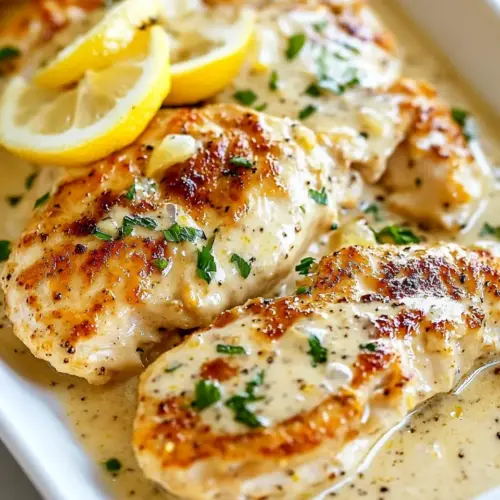
Lemon Chicken Scallopini
Lemon Chicken Scallopini is a creamy, bright, easy weeknight dinner that combines tangy lemon, savory garlic, and tender seared chicken. The silky sauce clings to golden fillets, creating a comforting yet elegant plate perfect for family meals or casual entertaining. Make it for a quick dinner that tastes like you spent hours cooking.
Equipment
- Large Skillet
- Non-stick pan
- Shallow Bowl
- Spatula
Ingredients
- 2 boneless skinless chicken breasts large, halved horizontally to make 4 Halved horizontally to create four thin cutlets for quick, even cooking and tender texture; provides the main protein and structure for the scallopini.
- 1 teaspoon garlic powder Sprinkled for a concentrated savory garlic flavor that enhances the chicken without adding moisture; helps season the meat uniformly.
- 1 teaspoon salt Added to season the chicken and the sauce, balancing acidity and sweetness while bringing out other flavors; essential for overall taste.
- 1 pinch cracked pepper Cracked coarsely to add subtle heat and aromatic sharpness; used sparingly to avoid overpowering the delicate lemon and cream.
- 1 -2 tablespoons lemon juice freshly squeezed, juice of half a lemon Freshly squeezed to contribute bright acidity and citrus aroma that cuts through the richness of the cream and butter; also used to marinate or finish.
- 4 tablespoons flour all purpose or tapioca – optional Dusted lightly to give the chicken a thin coating that browns gently and helps thicken the sauce; optional for a gluten-free swap with tapioca.
- 1 tablespoon butter Melted to brown the floured chicken and provide a rich, nutty base for the sauce; contributes depth and mouthfeel.
- 2 teaspoons oil Heated with butter to raise the smoke point for searing and to ensure even browning without burning; adds savory fat for flavor.
- 1 brown onion medium-sized Sliced or diced to add sweet, caramelized depth when sautéed; forms part of the aromatic base that complements garlic and lemon.
- 2 tablespoons garlic minced, or 6-8 cloves garlic, minced Minced to release pungent, savory aroma and create a fragrant foundation for the sauce; enhances overall savory profile.
- 1 1/4 cup chicken broth stock Poured in to deglaze the pan, build a savory sauce base, and impart concentrated chicken flavor that supports the cream.
- 2/3 cup light cooking cream Stirred in to add silky richness and a creamy mouthfeel that balances the lemon’s acidity while creating a cohesive sauce.
- 1 teaspoon cornstarch cornflour mixed with 1 tablespoon of water Mixed with water and used as a slurry to thicken the sauce without graininess; helps achieve a smooth, glossy finish.
- 2 -3 tablespoons lemon juice (adjust to your tastes) Adjusted to taste to provide additional bright citrus bite and to lift the sauce; balances cream and herbs.
- 2 teaspoons dried Italian mixed herbs Sprinkled to introduce earthy, aromatic notes and an herbaceous Mediterranean character that complements lemon and garlic.
- 2 tablespoons fresh parsley Chopped and added at the end to bring fresh herbaceous color, brightness, and a pleasant finish to the finished dish.
- 2 lemon slices or wedges, to serve Served as wedges to offer extra fresh lemon for squeezing over the plated scallopini, enhancing acidity and presentation.
Instructions
- Season chicken with garlic powder, salt and pepper. Squeeze the lemon juice of half a lemon over each fillet, rubbing it into each fillet. (The next step is optional): Add the flour to a shallow bowl and dredge each fillet in the flour; shake off excess and set aside.: Warm citrus notes will hit your nose immediately as you rub the lemon onto the surface, and the meat should smell bright yet savory, signaling that the flavors are penetrating the flesh. This contact with acid slightly firms the surface, helping it brown more evenly in the pan. If you inhale a sharp, too acidic scent, you may have added too much juice, so blot excess with a paper towel. A common mistake here is underseasoning, which results in a bland center; taste the finished sauce and adjust salt as needed.
- Heat the butter and oil in a large skillet or non stick pan over medium-high heat until butter has melted and pan is hot. Fry the chicken until golden on each side, cooked through and no longer pink (about 4-5 minutes per side, depending on the thickness of your chicken). Transfer onto a warm plate.: Add the flour to a shallow bowl and dredge each fillet in the flour; shake off excess and set aside : When you dredge the chicken lightly, your fingers will feel the thin coating, and the fillets should have an even, dry dusting. This creates a delicate crust that gives a satisfying contrast between the golden exterior and the tender inside, and it also helps the sauce cling. If the flour feels clumpy, tap the fillet to remove excess; too much flour leads to a pasty texture. Avoid skipping the shake off, otherwise the oil will spit and the surface can steam rather than crisp.
- Add the onion and garlic to the pan and fry until onion is translucent (about 3 minutes). Reduce heat to low-medium heat, add the broth. Season with salt and pepper, and continue to cook to reduce down slightly (about 6 minutes). Add in the cream and bring the sauce to a gentle simmer for about 5 minutes until it begins to thicken. (If the sauce is too runny for your liking, add the cornstarch/water mixture into the centre of the pan and mix through fast to combine into the sauce. It will begin to thicken immediately).: You should hear a low sizzle as soon as a fleck of batter touches the pan, and the butter will turn a pale gold and smell nutty. This audio cue tells you the pan is ready for searing, which seals juices and builds flavor. If the fat smokes heavily, reduce the heat; scorched butter will impart bitterness. A frequent error is rushing this stage, which prevents a proper sear and leaves the meat gray instead of golden.
- Pour in the lemon juice, allow to simmer gently for a further minute to combine. Stir in the Italian herbs. Add the chicken back into the pan, cover with the sauce and serve over rice, pasta, steamed vegetables or zucchini noodles. Garnish with lemon slices or wedges and parsley.: As you lay the fillets in the pan, they should sizzle confidently. Look for a deep golden edge and listen for a steady sizzle, not a frantic roar. Press gently with a spatula to feel springy doneness, and when you cut into a thicker piece it should be pale and opaque with clear juices. Overcooking dries the meat out, so if the fillets are thin, reduce the time slightly. One mistake is flipping too often; let the crust form undisturbed to achieve that appealing color and flavor.
- Transfer onto a warm plate: The chicken should rest on a warm surface so juices redistribute and the meat stays moist. You will notice the pan retains a fond, those browned bits that cling to the surface, and that is what you want to build your sauce from. Resting also prevents the sauce from cooling the fillets too quickly. If you skip resting, juices will run out onto the plate, leaving the meat dryer.
- Add the onion and garlic to the pan and fry until onion is translucent (about 3 minutes): The pan will release a fragrant steam of sweet onion and pungent garlic , signaling that the aromatics are softening and their sugars are developing. Keep the heat medium to low so the garlic becomes fragrant without burning; burnt garlic tastes acrid. Stir so the onion sweats evenly. A common oversight is letting the onion brown too quickly, which changes the flavor profile away from the intended gentle sweetness.
- Reduce heat to low-medium heat, add the broth: When you pour in the chicken broth , it will hiss softly and begin loosening the fond, transforming those browned bits into a savory base. The aroma should deepen into a warmly savory note. Let the broth simmer so it reduces slightly and concentrates. If you boil too hard, the liquid may reduce unevenly and lose a fresh edge, so keep the simmer gentle.
- Season with salt and pepper, and continue to cook to reduce down slightly (about 6 minutes): As the broth reduces, it will smell richer and a little more caramelized; this concentration intensifies flavor so you can use less added salt. Stir occasionally, scraping the pan to lift browned flavor. Watch for too rapid evaporation which can concentrate saltiness; if reduction goes too far, add a splash of water or extra broth to balance.
- Add in the cream and bring the sauce to a gentle simmer for about 5 minutes until it begins to thicken: The surface will show little bubble rings and the sauce will coat the back of a spoon, with a pale, glossy sheen. Gently simmering allows the fats to meld with the broth, rounding acidity while keeping texture silky. If the heat is too high the cream can break or separate, giving a curdled appearance. A misstep here is boiling aggressively, which destroys the smooth mouthfeel you want.
- If the sauce is too runny for your liking, add the cornstarch/water mixture into the centre of the pan and mix through fast to combine into the sauce: Adding a thin slurry will immediately thicken the sauce, and you will notice the texture shift from loose to clingy. Stir briskly so the cornstarch disperses evenly and avoid lumps. Add in small increments since cornstarch thickens quickly and can make the sauce gluey if overused.
- Pour in the lemon juice, allow to simmer gently for a further minute to combine: The moment you add the extra lemon , a fresh citrus perfume will brighten the pan and lift the sauce’s flavors; simmering for a minute lets the acid meld without losing its fresh tone. Taste and adjust; if it feels excessively sharp, a tiny pinch of sugar or a touch more cream will smooth it. Overcooking after citrus is added can flatten the bright top notes, so keep this step brief.
- Stir in the Italian herbs: The dried herb aroma will bloom into the sauce, adding savory, earthy notes that tie the profile together. Stirring releases oils and softens the herbs so they integrate smoothly. If the herbs clump, crush them gently in your fingers before adding to disperse flavor evenly. A common error is adding too many dried herbs, which can dominate the delicate lemon and cream balance.
- Add the chicken back into the pan, cover with the sauce and serve over rice, pasta, steamed vegetables or zucchini noodles: Sliding the hot fillets back into the sauce should produce a gentle simmer and an invitation to plate immediately; the meat will glisten and steam slightly as it rewarms, and the sauce will cling to the surface. Serving over a bed of starch helps catch the sauce and makes each bite balanced. Avoid letting the chicken sit too long in the sauce off heat, which can overcook it and make the texture mushy.
- Garnish with lemon slices or wedges and parsley: A final scatter of fresh parsley and a bright slice of lemon adds visual appeal and a fresh aroma when squeezed at the table. The herb provides a green contrast and the citrus offers a popping note at the finish. Don’t skip the garnish, as it lifts both appearance and flavor cue for the diner.
Notes
- Swap the flour for tapioca to make a gluten free dredge that still crisps nicely; tapioca creates a light, delicate crust and tolerates quick pan frying well.
- Use heavy cream for a richer sauce when you want an indulgent finish; heavy cream will produce a thicker, silkier mouthfeel and stand up better if you make the sauce ahead and reheat gently.
- Add extra garlic for a punch by increasing minced garlic to taste; cook it gently with the onion so it softens and prevents bitterness, giving the sauce a deeper aromatic profile.
- Boost herbiness with fresh herbs like basil or parsley added at the end; fresh herbs add bright color and a lively perfume that dried herbs cannot fully replicate.
- Serve over zucchini noodles for a lighter option if you prefer a low carb plate; the sauce clings nicely and the zucchini provides a fresh vegetal contrast to the creamy sauce.
- Adjust lemon intensity by adding grated zest as well as juice; zest delivers concentrated citrus oils that lift aroma without changing acidity dramatically.