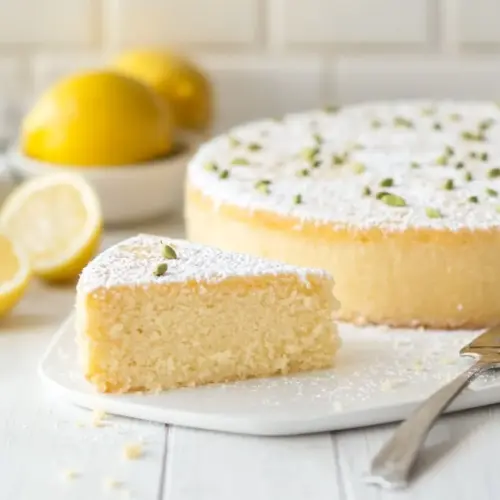
Lemon Cardamom Cake
Lemon Cardamom Cake is a tender loaf with bright citrus zing and warm aromatic spice, creamy crumb, and a glossy lemon glaze. This easy loaf uses pantry staples and yields a moist, fragrant cake perfect for afternoon tea or an easy weeknight dessert. Try it for company or a cozy treat, it slices beautifully and makes a lovely homemade gift.
Equipment
- Measuring Cups and Spoons
- citrus zester
- Citrus Juicer
- Knife and cutting board
- Parchment Paper
- 9 inch by 5 inch by 2 ½ inch loaf pan
- Mixing Bowls
- Whisk
- standing mixer or handheld mixer
- liquid measuring cup (optional)
- Rubber spatula
- Toothpick
- Knife
Ingredients
- vegetable shortening to grease the loaf pan Lightly grease and line the loaf pan with an even layer to prevent sticking and ensure easy release after baking; use shortening to coat corners thoroughly for consistent browning.
- 1 1/2 cups all-purpose flour Sift or gently whisk to combine into the dry mix to provide the cake's structure and tender crumb; measure accurately to balance wet ingredients and avoid a dense loaf.
- 1/4 teaspoon baking powder Whisk into the dry ingredients to provide a modest lift and react with acidic components; distribute evenly to ensure uniform rise without metallic aftertaste.
- 1/4 teaspoon baking soda Dissolve or sift with the other leaveners to react with acidic ingredients for additional lift; balance carefully with baking powder to avoid over-doming or collapse.
- 1/4 teaspoons salt Sprinkle into the dry mixture to enhance overall flavor and strengthen gluten management; measure precisely to avoid oversalting the delicate cake.
- 1 to 2 teaspoons ground cardamom Grind and stir into the batter to impart warm, floral, slightly citrusy notes; adjust between one and two teaspoons depending on preferred aromatic intensity.
- 8 tablespoons unsalted butter, at room temperature Soften and cream with sugar to create an aerated base that contributes richness, moisture, and tender mouthfeel; ensure room temperature for even incorporation.
- 1 cup granulated sugar Beat with butter until light and fluffy to incorporate air and sweetness that tenderizes crumb and promotes proper browning; dissolve fully for even texture.
- 2 large eggs Beat in one at a time to emulsify fats and stabilize the batter, contributing structure and moisture; use at room temperature for best integration and rise.
- 1 1/2 tablespoons lemon zest (you need 3 large or 4 to 5 small lemons for that) Zest finely to capture bright citrus oils that lift the cake's flavor profile; use zested amount from three to five lemons and avoid bitter white pith.
- 6 tablespoons lemon juice Squeeze fresh lemon juice into the batter and glaze to provide acidity for leavening reaction and a crisp, tangy counterpoint to sweetness; measure for balanced flavor.
- 1/4 cup + 2 teaspoons plain, whole milk yogurt Fold gently into the batter to add tangy richness and a tender crumb; use whole milk yogurt for creaminess and acidity that reacts with leaveners.
- 4 teaspoons milk Stir in to slightly thin the batter or glaze and adjust consistency; use whole milk for subtle richness and smooth texture in the final cake.
- 1/2 teaspoon vanilla extract Add for a subtle floral-vanilla undertone that rounds out citrus and spice; incorporate into batter for aromatic depth without overpowering other flavors.
- 1 cup powdered sugar Whisk into glaze to create a smooth, sweet finishing layer that adds sweetness and a glossy appearance; sift if necessary to remove lumps for even coating.
- 5 teaspoons lemon juice, or more, depending on the humidity in your kitchen Whisk with powdered sugar to create a bright, tart glaze that balances sweetness; adjust quantity to achieve desired pourable consistency depending on humidity.
- chopped pistachios Sprinkle over the finished cake to provide a crunchy, nutty contrast and vibrant color; chop to even-sized pieces for pleasant texture in each slice.
Instructions
- Heat the oven to 350 degrees F.: As you preheat, notice the faint hum of the oven warming and the smell of dry heat as it approaches temperature. Preheating ensures the loaf encounters steady heat right away, promoting an even rise and preventing the center from remaining underbaked. A common mistake is placing the pan in too early, which can alter rise and baking time, so wait until the oven displays the correct temperature. Use an oven thermometer if your stove runs hot or cool for dependable results.
- Cut a piece of parchment paper. Fit it into the bottom of a 9-inch by 5-inch by 2 1/2-inch loaf pan. Secure it to the bottom of the pan with a few dabs of vegetable shortening.: The parchment provides a clean release and the shortening tacks it in place so the paper sits flat. You will feel the parchment fold nicely into corners, and the tiny dabs of shortening melt into the paper when the pan warms slightly. This step prevents sticking and protects the loaf edges from over browning. If the paper shifts when pouring batter, the cake can stick unevenly, so press the parchment well into the pan before filling.
- Grease the pan well with vegetable shortening (including the surface of the parchment bottom). Sprinkle flour into the pan and shake out the excess.: The thin layer of shortening on the pan and parchment combined with a dusting of flour ensures release and even browning. You should see a light white dusting of flour coat the sides, which creates a tiny barrier between batter and metal. Too much flour can create a dry rim so shake thoroughly to remove excess. If you skip the flour, the cake may cling to the sides and tear when you remove it.
- In a mixing bowl, whisk together flour, baking powder and soda, salt and cardamom. Set aside.: Whisk until the ingredients are well blended and you can smell the faint perfume of cardamom . This dry mix ensures even distribution of leavening and spice, preventing pockets of cardamom or uneven rise. Sifting is optional but helps aerate the mixture. A common error is adding leavening directly without mixing, which can yield uneven texture and localized lift.
- Whip butter and sugar until light and fluffy (about 2 minutes).: As you cream, watch the butter and sugar turn paler and lighter in texture, softening into a ribbon when lifted with the paddle. This aeration traps tiny air bubbles that help the loaf rise and achieve a tender crumb. Undercreaming yields dense cake, while overcreaming can melt the butter and collapse the structure, so aim for two to three minutes depending on your mixer. If your butter is too cold it will not aerate properly, so bring it to room temperature first.
- Add the eggs and continue to whip until well incorporated and smooth.: The mixture will go from slightly grainy to glossy and smooth as the eggs emulsify with the butter and sugar. Add each egg fully incorporated before the next to maintain emulsion. If the batter looks curdled, a spoonful of the dry mix or a tablespoon of flour can bring it back, so do not panic. A common mistake is adding eggs when the butter is too warm, which can cause separation, so ensure the butter is room temperature not melted.
- Whip in the lemon zest, then set aside for a moment.: Zest releases citrus oils that will perfume the batter, and as you whip it in you will notice a bright citrus scent. Letting the mixture rest for a moment lets the oils disperse through the butter mixture. Avoid zesting the inner pith which tastes bitter; only the yellow surface is needed. If too much pith gets in, the loaf can develop a sharp bitter tone, so zest carefully.
- In a separate bowl or liquid measuring cup, whisk lemon juice, yogurt, milk and vanilla together. Set aside.: This wet mix combines acid and dairy, which will react with the baking soda and contribute to lift and tenderness. Whisk until uniform and the aroma of vanilla is faintly sweet. If the liquids are cold, they can tighten the butter base when combined, so aim for ingredients near room temperature. A mistake here is adding cold yogurt directly to creamed butter, which can make the batter seize, so temper if necessary.
- Whip the dry and wet ingredients into the butter mix, little by little, alternating between the two. (Start with the dry ingredients.) Whip for a few minutes on high speed until you have a very smooth and creamy-looking batter.: As you fold and whip, you will see the batter go from thick and clumpy to smooth and glossy. Alternating prevents overhydrating the flour and ensures even mixing; start and end with the dry ingredients for best texture. The batter should be pourable yet thick, and you will hear a slight slosh as you scrape the bowl. Overmixing at this stage develops gluten, yielding a tougher crumb, so stop once the batter is uniform and smooth.
- Fill the batter into the loaf pan. Bake until a toothpick inserted into the center of the cake comes out completely clean (45 to 60 minutes). (Check in several spots along the center length of the cake to make sure that the cake is fully baked.) If you're using Greek yogurt, the baking time will be on the shorter end of the range. If you're using regular yogurt, it will be on the longer end.: As the loaf bakes you will notice edges pulling slightly away from the pan and a golden top forming. The aroma of lemon and cardamom will intensify. Check in several spots along the center length, because some loaves bake unevenly and a single spot can be misleading. If using Greek yogurt expect the shorter end of the range, and regular yogurt may need more time. A common error is removing the loaf too early which yields a gummy center, so use the toothpick test and visual cues.
- Once the pan is cool enough to handle, run a knife around the edges to loosen the cake from the sides of the pan. Unmold the cake and then let it cool completely.: You will feel the cake relax as it cools, and unmolding while slightly warm helps avoid cracking. Letting it cool completely before glazing prevents the icing from melting away. If you try to glaze too early, the glaze will sink into the crumb and disappear rather than sitting on top, so be patient.
- Whisk powdered sugar and lemon juice together. Keep adding lemon juice until you have a slow-moving icing. (If the icing ends up too runny, whisk in a little more powdered sugar).: The glaze should be glossy and move slowly off a spoon, draping over the loaf in thin ribbons. Add lemon juice gradually to avoid a runny glaze; if it runs too freely, whisk in more powdered sugar. The sensory cue is a sheen that isn’t translucent; it should set to a slightly tacky finish. A common issue is over thinning the glaze which causes it to pool off the sides, so adjust cautiously.
- Drizzle the icing on the cake and sprinkle the chopped pistachios on.: As you drizzle, watch the glaze find the loaf’s contours and settle into small crevices for a pretty finish. The chopped pistachios add crunch and a splash of color, and you can press a few into the glaze so they adhere. If the glaze cools and thickens before you finish, warm it gently to loosen, but avoid overheating which will turn it grainy. A mistake here is waiting too long to add nuts, they won’t stick if the glaze has already set hard.
Notes
- Room temperature ingredients: Bring butter, eggs, and yogurt to room temperature so they combine smoothly; cold ingredients can cause the batter to split or mix unevenly.
- Freshly grind cardamom: If you have whole pods, grind them just before using to capture the volatile oils that give the cake its signature aroma and flavor lift.
- Zest carefully: Use a fine grater for zest to avoid the bitter white pith; the oils in the zest are concentrated so a little goes a long way.
- Use an oven thermometer: Many ovens run slightly hot or cool, and an accurate thermometer ensures you bake at the real temperature, improving consistency.
- Adjust glaze thickness: Add lemon juice slowly to powdered sugar for a glaze that drapes, or add more powdered sugar if it becomes too thin due to humidity.