Lemon Burst Cupcakes
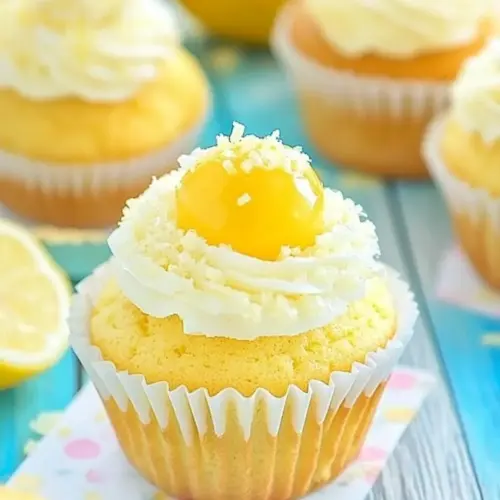
Lemon Burst Cupcakes are tender, bright cupcakes with a soft crumb and cloud like frosting. The combination of lemonade, lemon zest, and lemon curd gives a lively, tangy finish while the fluffy marshmallow frosting keeps them airy and fun, perfect for parties or easy weeknight baking. Make them when you want a cheerful, crowd pleasing dessert.
Equipment
- Mixer
- Cupcake Pan
- cupcake liners
- Wire Rack
- Piping Bag
Ingredients
- 1 box yellow cake mix Provide a sweet, moist cake base and simplify baking by using a pre-mixed yellow cake blend; contributes structure and consistent texture to the cupcakes while saving preparation time. Enhance with liquids and eggs as directed on the box to achieve a tender crumb and even rise. Works as the primary dry mix that absorbs flavors from the added lemonade and yogurt.
- 1 cup lemonade Add a bright, citrusy liquid that infuses the batter with lemon flavor and contributes moisture for a soft crumb. React with leavening agents in the mix to help create lift and airy texture during baking. Balance sweetness from the cake mix while reinforcing the lemon theme of the cupcakes.
- 3/4 cup plain Greek yogurt Provide tangy moisture and fat to create a tender, creamy crumb and add body to the batter; Greek yogurt also helps keep the cupcakes soft and resilient. Improve mouthfeel and contribute a mild tang that complements the lemonade and lemon curd. Stabilize the batter for consistent texture and slightly enrich flavor depth.
- 3 eggs Bind ingredients together and contribute to structure, moisture, and leavening through the proteins and fats they contain. Help trap air during mixing, which expands in the oven to create a light texture. Add richness and a slightly custardy background flavor that supports the lemon profile.
- 1 cup butter, softened Cream to incorporate air into the batter and add richness, moisture, and a smooth mouthfeel; softened butter blends easily with sugars and wet ingredients. Contribute to tenderness and flavor depth while aiding in leavening when creamed with other ingredients. Provide a silky base that carries the lemon notes effectively.
- 17 oz jar marshmallow fluff Provide a sticky, sweet filling element ideal for swirls or dollops that add chewiness and an appealing marshmallow flavor to the cupcakes. Melt slightly if warmed and create a glossy, cloud-like texture that pairs with lemon for contrast. Act as an indulgent component for frosting or filling to increase sweetness and visual appeal.
- 1/2 tsp vanilla extract Enhance overall aroma and add a subtle sweet-vanilla background note that complements the citrus components without overpowering them. Offer balance to the tartness of lemonade and lemon zest while deepening the dessert's flavor complexity. Use sparingly to prevent masking the lemon character.
- 2 to 3 tbsp lemonade Dilute frosting or fillings and add concentrated lemon flavor without altering batter volume significantly; small amounts can loosen texture for piping or create a sheen. Provide flexibility in consistency adjustment for glazes or fillings while reinforcing the citrus theme. Use to achieve the desired spreadable or pourable finish.
- 1 tsp lemon zest Deliver concentrated citrus oils and a fresh, intense lemon aroma that brightens the cupcakes and heightens overall flavor perception. Add small bursts of zesty brightness when folded into batter or sprinkled on top, enhancing contrast with sweet elements like marshmallow fluff and powdered sugar. Provide an immediate sensory cue of lemon freshness.
- 2 1/2 cups powdered sugar Sweeten and thicken frostings and help achieve a spreadable, stable consistency when mixed with butter, cream cheese, or other bases. Dissolve smoothly to create a silky texture and provide bulk sweetness that balances tart components like lemon curd. Allow control over frosting firmness by adjusting quantity used.
- 1/2 cup jarred lemon curd Introduce a rich, tangy, and intensely lemony component that serves as a filling or topping for concentrated bursts of citrus in the cupcakes. Add bright acidity and depth that cuts through the sweetness of marshmallow fluff and powdered sugar for balance. Provide a glossy finish and layered flavor when swirled into frosting or spooned into cupcake centers.
Instructions
- Preheat oven to 350 degrees F.: The warm, welcoming scent of citrus and butter will not appear until the oven is properly hot, and preheating ensures even rise. You should feel the oven heat through the door, and the element should glow as it stabilizes. If the oven is not preheated, cupcakes can bake unevenly, creating dense centers. A common misstep is placing batter in a cold oven, which changes how the leavening reacts, so always wait until the oven reaches temperature.
- Mix the cake mix, lemonade, greek yogurt, and eggs on low speed for 30 seconds, then medium speed for 2 minutes. Fill cupcake liners 2/3 full and bake for 20 minutes. Remove from muffin tins to let cool on wire racks.: When you start mixing, listen for the mixer slowing and the batter smoothing out, that is your cue that ingredients are combining. The batter should be glossy and slightly thick, with tiny air bubbles forming. As it bakes you will see the tops set and a light golden color appear around the edges, and a toothpick inserted into the center should come out clean. If you overmix, the cupcakes can become tight and rubbery, so follow the timing closely. Common problems include underfilling liners which yields flat cupcakes, so aim for two thirds full for a pretty crown.
- Beat the butter until light and fluffy, add the marshmallow fluff, vanilla, 2 tbsp of lemonade and lemon zest. Beat until fully incorporated, scraping sides of bowl when needed. Gradually add the powdered sugar, again scraping sides of bowl when needed. Add more lemonade if you desire the frosting to be thinner consistency.: As you whip the butter, watch it change from dense to pale and airy, and you will feel the beaters soften it into a cloud. When you fold in the marshmallow fluff the frosting gains glossy silkiness, and the aroma of lemon zest will lift the bowl like a bright perfume. Adding powdered sugar slowly prevents a springy puff that collapses, so scrape the bowl to keep everything uniform. If the frosting seems too stiff, a small drizzle of lemonade will soften it gently, but adding too much will make piping messy, so proceed incrementally. A typical error is overbeating at high speed which can heat the butter and make the frosting oily, so keep the mixer moderate.
- Drop 1/2 tsp of lemon curd on top of each cooled cupcake, pipe the frosting around the lemon curd and swirl on top to cover. Decorate with yellow sprinkles or extra lemon zest if desired. Enjoy!: The moment you add the warm dollop of lemon curd you will see a glossy jewel at the center, and piping the frosting around it creates a lovely contrast of textures. The frosting should hold its shape as you circle the curd, forming a soft moat that frames the tart center. If you pipe when cupcakes are still warm, the curd can melt and the frosting can slide, so be sure cakes are fully cooled. A common slip is overfilling with curd which can seep out during transport, so measure small dollops for clean presentation.
- Decorate with yellow sprinkles or extra lemon zest if desired. Enjoy!: Adding a final sprinkle or a dusting of lemon zest provides visual sparkle and a fresh scent as you serve. The sprinkles offer a playful crunch against the soft frosting while the zest reinforces the citrus note. If you intend to store them, place cupcakes in a single layer to avoid smudging the frosting. A frequent mistake is stacking them before the frosting sets, which ruins the piping, so give them a moment to settle before covering.
Notes
- Use fresh lemon juice for a brighter flavor Add a tablespoon of fresh lemon juice to the batter if you want a sharper citrus note, but be careful to reduce other liquids slightly so the batter consistency stays correct.
- Adjust frosting thickness Start with two tablespoons of lemonade and add a third if you prefer a looser pipeable frosting, adding liquid slowly to avoid making it too thin.
- Make ahead and freeze Bake the cupcakes and freeze unfrosted for up to three months, then thaw and finish with frosting and lemon curd to preserve freshness for events.
- Make mini cupcakes Reduce bake time by a few minutes and check often, mini versions are darling for large gatherings and easier to serve as finger food.
- Use a piping bag for uniform swirls A simple star tip will create consistent, attractive frosting swirls for parties and photos.
- Stash extra curd for serving Serve extra lemon curd on the side for guests who want more tartness, but keep it chilled to maintain texture.