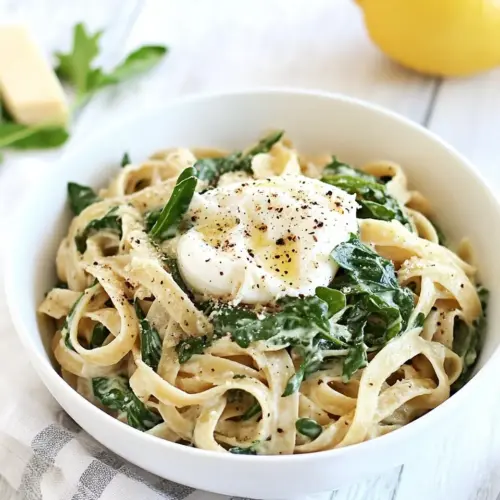
Lemon Arugula Pasta with Burrata
Lemon Arugula Pasta with Burrata is a creamy, bright, and easy weeknight dinner that combines zesty lemon, peppery arugula, and pillowy burrata over whole wheat rigatoni. This quick pasta delivers fresh spring flavors with satisfying texture, perfect for casual dinners or small gatherings. Make it when you want a fast meal that still feels special.
Equipment
- Large Pot
- Skillet
- Colander
Ingredients
- 1 pound DeLallo Organic Whole Wheat Rigatoni Cook to al dente following package instructions and provide the whole grain base for the dish, contributing nuttiness and hearty texture that balances creamy burrata.
- 2 tablespoons olive oil Drizzle to gently coat the pasta and arugula while carrying flavors, offering a fragrant fruitiness and smooth mouthfeel that helps emulsify the lemon juice into a light sauce.
- 1 small shallot minced Mince finely to release a mild, sweet onion flavor that softens when sautéed and adds subtle aromatic depth without overpowering the lemon and cheese.
- 3 large garlic cloves minced Mince thoroughly to infuse the oil with pungent, savory aroma and provide a sharp, garlicky backbone that complements the peppery arugula and bright lemon.
- Zest of 1 large lemon Zest finely to deliver concentrated citrus oils that brighten the entire dish, adding intense lemon fragrance and a slightly bitter, aromatic complexity.
- Juice of 2 large lemons Juice fully to create a bright, acidic component that balances the richness of burrata and olive oil while seasoning the pasta with fresh citrus tang.
- 5 cups baby arugula Toss roughly to introduce a peppery, green note and tender crispness that contrasts creamy cheese and whole wheat pasta, adding freshness and color.
- 8 ounces burrata cheese cut into 1-inch chunks Cut into chunks to provide a luxurious, creamy center that melts slightly into the warm pasta, contributing rich dairy richness and silky texture.
- Salt and black pepper to taste Season to taste to enhance and harmonize all flavors, using sodium to bring out sweetness and black pepper to add mild heat and complexity.
- Crushed red pepper flakes for serving, optional Sprinkle as desired to introduce optional smoky heat and a touch of spice on the finished plate, allowing diners to adjust the level of kick.
Instructions
- Cook pasta in large pot of boiling salted water until tender but still firm to bite, stirring occasionally.: As the pasta hits the boiling, salted water you will hear a lively, rolling simmer, and steam will rise with a clean, mineral scent. The key sensory cue is the bite, you should feel a gentle resistance when you chew one piece, indicating al dente; this helps the tubes maintain shape when tossed with the arugula and sauces. The reason this matters is that overcooked pasta becomes mushy and will absorb too much liquid, diluting the flavors. A common mistake is under-salting the water, which leads to bland pasta; taste a plain piece near the end of cooking to confirm seasoning. If the pot looks crowded, stir more frequently to prevent sticking and ensure even cooking.
- Meanwhile, heat the olive oil in heavy large skillet over medium heat. Add the shallot and garlic; sauté until soft, about 2 minutes. Add the lemon zest.: Shortly after the olive oil warms you will smell a sweet, nutty aroma as the minced shallot starts to soften, then the garlic will release a warm, savory perfume. The lemon zest introduces an immediate citrus perfume that brightens the pan. This step builds the aromatic base that flavors the whole dish, the gentle sautéing extracts sugars from the shallot without caramelizing them. Watch the pan closely, because garlic can go from fragrant to bitter quickly; keep the heat moderate and stir constantly to prevent browning. If the aromatics start to color too fast, reduce heat slightly and move the skillet off heat for a moment.
- Drain the pasta, reserving about 3/4 cup of the pasta water. Pour pasta into the skillet. Add the lemon juice and arugula. Add the reserved pasta water and gently toss until arugula is wilted, about 1 minute. Top with burrata cheese and gently stir until cheese is melted. Season with salt and black pepper, to taste.: When you drain the pasta , the starchy, slightly cloudy pasta water will glisten and smell faintly of cooked grain, that liquid is culinary gold for emulsifying the dressing. Adding the warm pasta to the skillet creates an immediate steam that softens the leaves; the sizzling sound will be gentle, and you should see the vibrant green of the arugula start to dull as it wilts. The lemon juice will sing with an acidic snap, and the reserved water helps the oil and lemon cling to the pasta , creating a silky sauce. This technique matters because it prevents a separated oily coating and ensures even flavor distribution. A frequent error is adding too much water and creating a soupy pan, so add the reserved water in small amounts, stopping when the sauce reaches a glossy, clingy consistency.
- Place pasta into serving bowls or plates and top with crushed red pepper, if desired. Serve warm.: As you add chunks of chilled burrata , you will notice a cool, creamy contrast settling into the warm pasta . The sensory pleasure here is watching the creamy interior give way and slightly meld with the hot tubes, creating pockets of silk. The reason for gentle stirring is to let the burrata integrate without breaking into a complete puree, preserving delightful pockets of cream. If you overwork the cheese it will lose its texture and just become uniformly saucy; aim for soft ribbons of cream rather than full dissolution. Taste and finish with careful pinches of salt and a few cracks of black pepper to balance the acidity and richness.
- Place pasta into serving bowls or plates and top with crushed red pepper, if desired. Serve warm: Serving while still warm preserves the contrast between the cool center of the burrata and the warmed pasta ; visually you should see glossy tubes, wilted green flecks, and creamy white pockets. The final touch of crushed red pepper flakes gives a visual speckle and a quick heat spike that plays off the lemon. This moment is about plating and balance, letting guests add extra heat if they like. The common misstep here is letting the dish sit too long, which dulls the brightness and causes the leaves to over soften; aim to serve immediately for best texture and aroma.
Notes
- Boost the citrus: Add a little extra lemon juice at the table for brighter acidity if you like a punchier profile.
- Leaf timing trick: Toss the arugula with warm pasta off the heat to preserve some fresh texture rather than fully wilting it.
- Oil quality matters: Use a fruity extra virgin olive oil to add a layer of complexity, it will make the simple dressing taste more luxurious.
- Cheese handling: Keep the burrata chilled until the last second to maintain its creamy center, then gently nestle it into the hot pasta.
- Control the heat: Offer crushed red pepper flakes on the side so guests can adjust spice without overpowering the lemon and cheese.