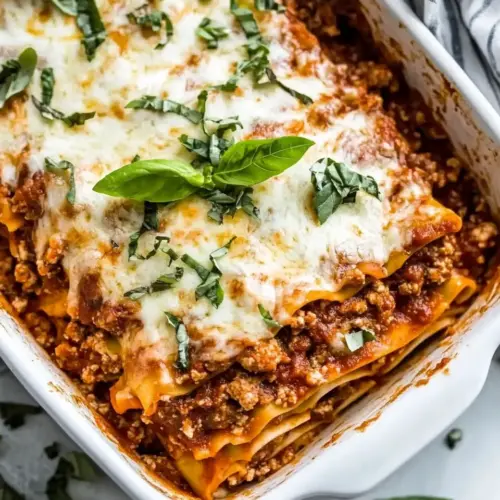
Lasagna Roll Ups
Lasagna Roll Ups are creamy, comforting, and perfect for an easy weeknight dinner. This version combines browned beef, rich ricotta cheese, and bubbling mozzarella for a crispy edged, saucy pasta experience that reheats beautifully. Make it for family dinners or meal prep, it brings cozy flavor with minimal fuss.
Equipment
- 9×13 baking pan
Ingredients
- 12 dry lasagna noodles Boil until just al dente to provide sturdy pasta sheets for rolling without becoming mushy; dry noodles help absorb sauce and hold filling during baking. Break apart carefully after cooking to prevent tearing and arrange flat to cool before assembling roll ups.
- 1 tablespoon olive oil Drizzle to sauté aromatics and prevent sticking while adding a fruity, slightly bitter backbone to the cooked beef and vegetables. Heat gently to release flavor and coat the pan so other ingredients brown evenly and develop depth.
- 1/2 onion chopped Sauté chopped to contribute sweetness and a tender texture that balances the savory meat and cheese; cook until translucent to mellow sharpness. Season lightly while cooking to help layers of flavor meld with garlic and herbs.
- 1 teaspoon kosher salt divided Season and divide to layer salt across components, enhancing overall savory taste without overpowering; reserve half for finishing sauce or pasta water as needed. Dissolve into sauces and fillings to unify flavors and elevate natural sweetness of other ingredients.
- 3 cloves garlic minced Mince and sauté briefly to provide pungent, aromatic warmth that brightens the meat mixture and ricotta filling; cook until fragrant but not bitter. Add toward the end of onion cooking to preserve fresh garlic flavor throughout the dish.
- 1/2 teaspoon Italian seasoning Sprinkle to impart a classic herbaceous blend that echoes Italian flavors in the meat sauce and cheese filling; toast lightly to release oils if desired. Use sparingly to complement rather than dominate other herbs and cheeses.
- 1 pound ground beef Brown thoroughly to create a rich, savory foundation with caramelized bits that deepen the sauce; drain excess fat if necessary for a leaner filling. Crumble during cooking to produce an even texture that distributes throughout the roll ups.
- 24 ounces marinara sauce (1 jar) Pour to provide a saucy base that keeps rolls moist during baking and serves as a flavorful topping; choose a high-quality jar or homemade marinara for best results. Simmer with browned meat to marry flavors before assembling the lasagna roll ups.
- 15 ounces whole milk ricotta cheese (1 container) Fold into the cheese mixture for a creamy, slightly tangy filling that contrasts with melted mozzarella; stir until smooth and seasoned well. Use whole milk ricotta for richness and a custardy texture that helps the rolls hold together.
- 3 1/2 cups freshly shredded mozzarella cheese divided Shred freshly to create gooey, melty layers that brown attractively on top and within each roll; reserve some for sprinkling over assembled rolls before baking. Use freshly shredded mozzarella for superior melt and stretch compared to pre-shredded options.
- 1/2 cup freshly grated parmesan cheese Grate finely to add a nutty, salty umami lift that enhances the cheese filling and finished bake; sprinkle into the ricotta mixture or over the top. Freshly grated parmesan integrates smoothly and provides a sharp counterpoint to creamy cheeses.
- 1/4 cup chopped fresh parsley and/or basil Chop finely to contribute fresh, bright herbal notes that cut through richness and add color to the filling or garnish. Use parsley and/or basil depending on desired flavor—parsley for freshness, basil for a sweet, aromatic lift.
- 1 large egg Whisk in to bind the ricotta and other filling ingredients, adding structure so rolls hold their shape during handling and baking. Beat lightly to incorporate evenly without overworking the mixture, which could make it dense.
- 1/4 teaspoon ground black pepper Crack and grind to season the filling with a final layer of warmth and gentle heat; balance salt and herbs so pepper complements rather than overpowers. Add gradually and taste the mixture to reach a subtle peppery finish.
Instructions
- Preheat the oven to 375°F. Grease a 9×13-inch baking dish and set aside for now. Bring a large pot of salted water to a boil. Follow the package directions to cook the lasagna noodles to al dente.: The kitchen will begin to warm and you may notice a faint dry heat that helps dry edges of your assembled pan during baking, promoting gentle browning. Preheating ensures even cooking from the moment the pan goes in, preventing undercooked centers. A common mistake is skipping this step, which can lead to uneven baking and soggy rolls, so always wait until the oven reaches the full temperature.
- Drain the noodles with cold water and place them on a parchment paper-lined sheet pan until needed.: A thin sheen of oil prevents sticking and helps the bottom sauce glide when serving, creating a glossy finish. Greasing early means you can assemble without rushing, but use just enough so the marinara sauce still clings to the dish. Too much oil can pool and make the bottom greasy, so avoid over greasing.
- Heat the olive oil in a large skillet over medium heat. Once heated, add in the onion and 1/2 teaspoon salt, cooking until soft and translucent.: You will hear a rolling, energetic boil and see lively steam, which is ideal for cooking pasta. The salt seasons the lasagna noodles from the inside out. A frequent error is under salting the water, which results in bland pasta, so add the salt early and taste a test noodle if unsure.
- Add in the garlic and Italian seasoning cook for 30 seconds.: Al dente noodles should bend without breaking and have a slight firmness when bitten. This texture allows them to roll without falling apart after baking. Overcooking causes mushy, torn sheets, so watch the pot closely and test a noodle a minute or two before the package time ends.
- Add in the ground beef and cook until browned.: The cool water halts cooking, preventing them from becoming overdone, and the parchment keeps them from sticking. You will feel the noodles relax as they cool, making them easier to handle. If you skip the cooling, they may continue to cook and become too soft to roll neatly.
- Add in the marinara sauce and stir. Take the pan off the heat.: The oil will shimmer when ready, signaling it is hot enough to gently sauté. Heating oil properly creates a pleasant sizzle when the onion hits the pan, and protects the garlic from sticking. Overheating can burn aromatics, so aim for a steady medium heat.
- In a bowl, combine the ricotta, 1 1/2 cups mozzarella cheese, parmesan cheese, chopped herbs, egg, 1/2 teaspoon salt, and pepper.: The onion will soften and release a sweet, savory perfume as its sugars caramelize slightly. Translucent edges and a tender bite indicate readiness. If you see significant browning, reduce the heat to avoid bitter flavors.
- Spread a thin layer (about 1/2 cup) of the meat sauce on the bottom of the prepared baking dish.: The aroma will spike instantly as garlic and dried herbs toast briefly, releasing fragrant oils. This short burst unlocks deeper flavor without risking bitterness. A common mistake is cooking garlic too long, which can turn it acrid, so stick to the brief cook time.
- Spread 3-4 tablespoons of the cheese mixture over each lasagna noodle.: You will hear a hearty sizzle as the ground beef hits the pan, and small browned bits will form on the skillet surface, contributing rich, roasted flavors. Break the meat into even pieces so it browns uniformly. Avoid crowding the pan, which steams the meat instead of browning it, leading to less flavor.
- Then, spread 2-3 tablespoons of the meat sauce over the cheese mixture.: As the marinara sauce melds with the browned meat, the steam will smell bright and tomato forward with meaty depth. Stirring integrates the flavors and creates a cohesive meat sauce. If the sauce is too thin, simmer briefly to concentrate flavors; if too thick, add a splash of water to loosen it slightly.
- Roll the lasagna noodles up, and place them, seam side down, in the casserole dish.: Removing the pan stops the cooking immediately, preserving tenderness in the meat and preventing the sauce from reducing too much. This step also cools the mixture slightly so it does not curdle the cheese mixture when combined. Leaving it on high heat can over reduce the sauce and make it overly intense.
- Pour the remaining meat sauce over the lasagna rolls, and top with the remaining mozzarella cheese.: When you fold these ingredients together, the mixture becomes creamy and cohesive, the egg adding silkiness and binding power. The aromas of fresh herbs will lift the dairy, creating an inviting scent. A typical mistake is over stirring which can make the filling runny, so mix until just combined.
- Cover your lasagna pan with foil. Ensure the foil does not touch the cheese.: This initial layer prevents the rolls from sticking while providing a saucy base that will infuse the bottoms as they bake. The sauce should be evenly spread so each roll sits on an equal cushion. Too much sauce under the rolls can prevent the bottoms from crisping slightly, resulting in a soggier texture.
- Bake for 20 minutes. Then, remove the foil, and bake for another 10-15 minutes until the edges are browned. If desired, broil the lasagna for 1-2 minutes to get the tops extra toasty.: The filling should be distributed evenly, creating a creamy ribbon that will be visible when the rolls are sliced. Use the back of a spoon to smooth the mixture into a uniform layer, leaving a small edge to prevent spillage when rolling. Overfilling will make rolling difficult and can cause the filling to escape during baking.
- Spread 2 to 3 tablespoons of the meat sauce over the cheese mixture: A small spoonful of meat sauce on top of the cheese balances richness and adds savory pockets within each roll. This helps each bite carry both creamy and meaty notes. Too little sauce will make the rolls dry, while too much will make them heavy and more likely to unravel.
- Roll the lasagna noodles up, and place them, seam side down, in the casserole dish: Rolling creates compact spirals that heat evenly, and placing seam side down keeps them intact while baking. You will feel a slight resistance as you roll, then a secure seal when the seam is tucked under. A common error is rolling too loosely, which causes the rolls to unroll in the oven.
- Pour the remaining meat sauce over the lasagna rolls, and top with the remaining mozzarella cheese: The remaining marinara sauce blankets the rolls, ensuring they stay moist while the extra mozzarella cheese melts into a bubbly, golden cloak. Spread the sauce gently so it seeps between rolls. Uneven sauce coverage can lead to dry spots on the edges of some rolls.
- Cover your lasagna pan with foil. Ensure the foil does not touch the cheese: Tenting foil prevents the cheese from sticking and losing its golden finish while trapping steam to promote even heating. If foil touches the cheese, it can pull melted cheese away when removed, marring the appearance. Use a tented foil or crumple slightly to avoid contact.
- Bake for 20 minutes: During this period the filling will heat through and the sauce will begin to bubble at the edges. You should notice a warm, fragrant steam escape when opening the oven. Baking long enough in this covered phase ensures the centers reach the right temperature without over browning the top.
- Then, remove the foil, and bake for another 10 to 15 minutes until the edges are browned: Once uncovered, the cheese will begin to brown and develop golden spots while the edges of the rolls crisp slightly. Watch carefully so you get an even golden top without burning. Leaving the pan too long can dry out the rolls and harden the cheese.
- If desired, broil the lasagna for 1 to 2 minutes to get the tops extra toasty: Broiling adds a final blistering, caramelized finish to the cheese, creating crisp, toasty highlights. Stand nearby and keep the oven door slightly ajar when broiling so you can monitor the rapid browning. A common pitfall is stepping away during broil, which can quickly turn golden into burnt.
Notes
- Becky’s note about noodles One caution is to use dry lasagna noodles as specified; I do not recommend no boil noodles for this method because they can become too soft and tear while rolling.
- Lean meat preference I like to use 85 percent lean ground beef for a good balance of flavor and reduced grease, but you can choose slightly leaner beef if you want less fat in the finished dish.
- Make ahead advantage You can assemble the rolls, cover, and refrigerate for a few hours before baking which helps the flavors meld and saves active time on the day you plan to serve.
- Cheese texture tip Freshly shred the mozzarella cheese from a block for optimal melt and stretch; pre shredded options often include anti caking agents that affect melting.
- Herb flexibility Use a mix of chopped fresh parsley and basil for brightness; if you only have one, it will still contribute fresh flavor and color to the filling.