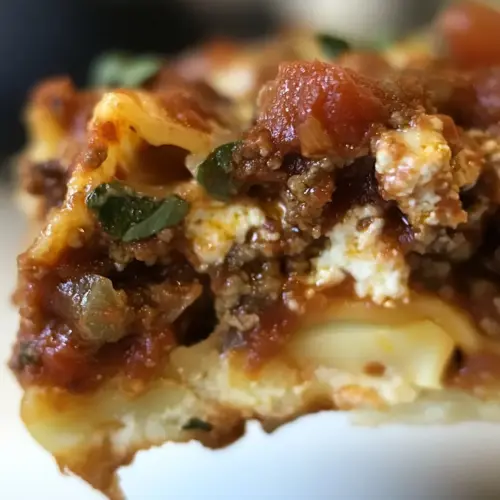
Lasagna Dip
Lasagna Dip brings creamy, cheesy comfort with savory browned beef and tangy marinara in a scoopable form. This easy crowd pleasing appetizer or casual dinner delivers gooey mozzarella cheese, nutty parmesan cheese, and rich cream cheese for an indulgent, shareable dish, perfect for game nights and easy weeknight dinners. Make it to feed a group and watch it disappear.
Equipment
- Cast-Iron Skillet
- Oven
- Mixing Bowl
- Grater
Ingredients
- 1 tablespoon olive oil Sauté gently in a skillet to provide a flavorful fat base for cooking aromatics and browning meat; contributes a fruity, slightly peppery undertone. Helps prevent sticking and carries heat-soluble flavors throughout the sauce for a balanced lasagna dip.
- 1/2 cup yellow onion finely diced Sweat slowly until translucent to release natural sweetness and form the aromatic foundation of the dish; finely dicing promotes even cooking and integration. Builds depth in the meat sauce and balances acidity from the tomatoes.
- 1 clove garlic minced Mince finely and cook briefly to release pungent, savory oils that enhance overall flavor; adds a warm, aromatic note when softened. Combines with onions and beef to create a classic Italian flavor profile in the dip.
- 1/2 lb ground beef 93/7 Brown thoroughly to develop rich, savory caramelization and provide hearty texture; lean 93/7 minimizes excess fat while still adding meaty depth. Break into small pieces while cooking so it incorporates evenly into the sauce base.
- 2 1/2 cups marinara sauce Simmer steadily to form the saucy backbone of the dip, bringing concentrated tomato flavor and body; provides acidity, sweetness, and moisture. Melds with seasonings and meat to produce a cohesive lasagna-inspired topping.
- 1/2 teaspoon dried basil Sprinkle in to contribute a warm, slightly sweet herbal note reminiscent of classic Italian seasoning; dried form releases flavor during simmering. Helps round out the tomato profile and complements the basil leaves added later.
- 1 bay leaf Tuck into the sauce while simmering to infuse subtle, fragrant herbal complexity; remove before serving to avoid woody texture. Enhances depth and background aromatics without overpowering other flavors.
- 1/2 teaspoon salt or to taste Add gradually and adjust to taste to season throughout cooking; helps balance acidity and heighten other flavors in the sauce. Use conservative amounts initially, then increase if needed after simmering for best control.
- 1/4 teaspoon black pepper or to taste Crack freshly and season sparingly to introduce gentle heat and aromatic bite; adjust to taste for balanced seasoning. Work with the salt to enhance the overall savory profile without overwhelming the dish.
- 2 oz . cream cheese softened Soften at room temperature and fold in to add tangy creaminess that lightens texture; cream cheese adds richness and a smooth mouthfeel. Helps create a luscious, spreadable layer that contrasts with the meat sauce and cheeses.
- 1/4 cup parmesan cheese freshly grated Grate freshly to provide nutty, salty, umami-packed sharpness; melts slightly into the warm dip and boosts savory complexity. Sprinkle into layers to enhance depth and add a traditional Italian cheese note.
- 1/4 cup mozzarella cheese freshly grated Grate finely to deliver mild, stretchy melting that creates gooey, comforting texture on top of the dip. Use as a finishing cheesy layer to achieve that classic lasagna pull and creaminess.
- salt to taste Season at the end to fine-tune overall savory balance and bring out flavors; add carefully to avoid over-salting. Works with black pepper to complete seasoning after cooking and before serving.
- black pepper to taste Grind freshly and sprinkle to introduce aromatic warmth and subtle heat; adjust to taste for final seasoning. Pairs with salt to round out flavors and enhance the sauce’s savory elements.
- 1/2 teaspoon dried parsley Fold in or sprinkle to impart bright, slightly grassy herb flavor; dried parsley adds color contrast and subtle freshness. Use it to lift and finish the dish without dominating the primary Italian herbs.
- 6 basil leaves fresh, chiffonade Chiffonade thinly to release bright, sweet, peppery basil aroma and add fresh herbal lift; add just before serving to retain fragrance. Garnish the dip for aromatic complexity and a visually appealing finish.
- 1 loaf garlic bread toasted and cut into slices Toast and slice to provide crunchy, garlicky scoops for serving; garlic bread adds texture contrast and makes the dish shareable. Offer as the ideal vessel for scooping the warm, cheesy lasagna dip.
Instructions
- Preheat oven to 400° F.: When you set your oven to 400° F , you want the interior to come to full heat so the cheese bubbles and browns quickly once the skillet goes in. You should hear the quiet hum of the oven and later see golden edges forming on the cheese, which is the cue it's doing its job. If the oven is slow to heat, the cheese will melt but not brown properly, so wait until the temperature stabilizes. A common mistake is opening the door too often, which cools the oven and lengthens baking time.
- In a medium sized cast iron skillet, saute onion in olive oil until mostly tender.: As the onion hits the warmed olive oil , listen for a gentle sizzle and watch the edges turn translucent, signaling that sugars are releasing. The aroma will shift from sharp to sweet and mellow, which sets a layered foundation for the sauce. Cooking until mostly tender ensures the onion integrates without raw bite. Avoid browning aggressively at this stage, because burnt onion imparts bitterness; keep the heat medium and stir frequently to prevent sticking.
- Add in garlic and ground beef. Break apart beef as it browns.: When you add minced garlic it will briefly perfume the pan, so stir promptly to avoid burning, then add the ground beef . As the beef hits the pan you should hear a lively sizzle and see color change from pink to browned flecks. Breaking the meat into small pieces helps even browning so every bite has caramelized bits. If you overcrowd the pan the meat will steam instead of brown, leaving it less flavorful, so give it space or brown in batches if necessary.
- Reduce heat to low and add in marinara sauce, basil, bay leaf, salt, and black pepper. Should be very thick. If you'd like it thinner, add in more marinara if you have it or a splash of water.: Lowering the heat before adding the marinara sauce preserves a fresh tomato quality while still allowing flavors to meld slowly. Stir so the browned bits lift into the sauce, creating depth and color. Add the dried basil and the bay leaf to infuse the sauce gently, and season with salt and black pepper . The mixture should become thick and glossy, smelling of tomato and herbs. If the sauce looks thin, you can simmer a touch longer to evaporate liquid, but avoid boiling hard which can break the texture. A common error is adding too much liquid at once, which dilutes intensity.
- In a small bowl, stir cream cheese, parmesan cheese, mozzarella cheese, salt, black pepper, and dried parsley together until combined.: As you mix the cream cheese with grated parmesan cheese and mozzarella cheese , the texture should become smooth and slightly glossy, with the parmesan cheese adding a granular nuttiness and the mozzarella cheese promising stretch. Season carefully with salt and black pepper , because cheeses concentrate saltiness. The scent will be rich and dairy forward, and the mixture should be spoonable. If the cream cheese is too cold it will clump, so soften it beforehand to ease blending.
- Dollop spoonfuls on top of the red sauce and bake for 15-20 minutes.: Drop spoonfuls of the cheese mixture across the surface so pockets of creamy white sit atop the red sauce. As it bakes, listen for soft bubbling and watch the cheese spread and begin to brown at the edges, creating a mosaic of melted layers. The scent becomes a warm, inviting mix of tomato, herbs, and toasted cheese. Bake until bubbling and slightly golden, which tells you the interior is hot and the cheeses have melded. Avoid underbaking, which leaves cold centers, and overbaking, which can dry the cheese.
- Remove from oven, top with fresh basil and serve with garlic bread.: When you pull the skillet from the oven, the first cue is vigorous bubbling and a toasty aroma, followed by a release of steam as you let it rest briefly. Scatter chiffonade of fresh basil over the top so the herb oils hit the hot surface and bloom instantly, brightening the dish visually and aromatically. Serve with slices of toasted garlic bread so guests can scoop warm, cheesy portions. Be mindful of hot skillet edges, and avoid serving immediately to prevent burns; let it sit for a couple minutes so the texture stabilizes.
Notes
- Stir in cheese option — If you prefer a uniform, creamy texture, stir the cheese mixture directly into the red sauce before baking, which yields a consistent, scoopable filling that clings to bread.
- Skillet to baking dish — If you do not have a cast iron skillet, transfer the sauced mixture to an oven proof baking dish for even baking and easy serving.
- Make ahead — Assemble the dip to the point of baking, cover, and refrigerate for up to a day. Bake straight from chilled, adding a few extra minutes so it warms through and bubbles.
- Cheese swap guidance — Use freshly grated cheeses for best melting and flavor. Pre shredded cheese often contains anti caking agents which can affect melt quality.
- Adjust sauce thickness — If your sauce is too thin, simmer gently to concentrate flavors. If too thick, add a splash of water or extra marinara sauce to loosen it slightly.
- Serving size scaling — This recipe scales well; double the quantities for a bigger crowd and bake in a larger dish, watching bake time as it may increase slightly for volume.