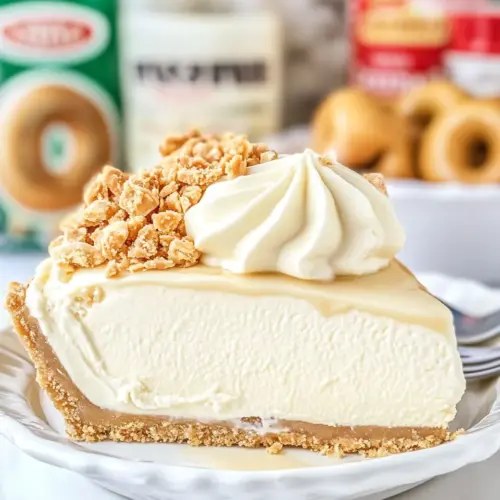
Krispy Kreme Ice Cream Pie
Krispy Kreme Ice Cream Pie is a creamy, crispy no bake dessert that combines airy whipped cream and sweetened condensed milk with chopped glazed doughnuts for nostalgic bites. The graham cracker crust provides a buttery crunch while the filling freezes into a luscious, sliceable treat, perfect for easy weeknight parties or summer gatherings. Make it ahead for stress free entertaining and watch it disappear.
Equipment
- 9-inch Springform Pan
- Food Processor
- Kitchen-Aid Mixer
- Hand Mixer
Ingredients
- 1 1/2 cups graham cracker crumbs, finely crushed Provide a crunchy, slightly sweet base when combined with butter; helps bind the crust and offers a toasty, neutral backdrop for the filling. Works well pressed into a pie pan to create a sturdy foundation that contrasts the creamy center.
- 5 tbsp sugar Add sweetness and slight caramelization when baked into the crust; balances the richness of the butter and cream. Enhances flavor without overpowering other components and helps with structural integrity of the crumb mixture.
- 6 tbsp butter, melted Melt to moisten and bind the graham cracker crumbs, creating a cohesive crust that firms up as it cools. Contributes a rich, buttery flavor that complements the sweet filling and enhances mouthfeel.
- 2 cups heavy whipping cream Whip to airy peaks to form a light, creamy base for the no-churn filling; provides volume and a smooth, luxurious texture. Stabilizes the filling so it sets firmly in the freezer while remaining scoopable.
- 1 (14-oz) can sweetened condensed milk Sweeten and thicken the filling with concentrated milky sweetness; acts as a custard-like binder that freezes to a scoopable consistency without churning. Adds dense, creamy body and rich caramelized sugar notes to the pie.
- 5 original Krispy Kreme glazed doughnuts, chopped Introduce soft, sweet doughnut pieces that add chewiness and signature glazed flavor throughout the filling; provide textural contrast to the smooth cream. Distribute these chopped original Krispy Kreme pieces for pockets of sugary, yeasted dough in each bite.
- 1 tsp vanilla Enhance and unify flavors with a warm, aromatic note; rounds out the sweetness and brightens the cream. Small quantity intensifies overall flavor complexity without dominating the dessert.
Instructions
- Combine graham cracker crumbs, sugar, and melted butter. Press into the bottom and up the sides of a springform pan. Set aside.: You will notice the mixture smell warmly of toasted butter and graham, a comforting scent that tells you the crust is ready. Using a flat bottom glass or measuring cup, press firmly so the crumbs compact into a uniform layer that will hold when sliced. If the crust feels loose or sandy, it likely needs more compression, which can cause it to crumble when serving. Visually aim for an even thickness across the pan, and run your fingers gently around the edge to secure the sides. If crumbs look shiny with too much butter, you may have overmixed the fats, so add a spoonful more crumbs to balance. The sound as you press should be a muted, granular friction, and the surface will go from loose to a firm matte finish. Always set the pan aside on a flat surface so the crust settles evenly before filling.
- Pour heavy cream into the bowl of a stand mixer and whip until stiff peaks form. Fold in sweetened condensed milk and vanilla. Stir in chopped doughnuts.: As you whip the heavy whipping cream , the texture changes from liquid to billowy white peaks that hold their shape, and you will hear a soft whipping sound as air is incorporated. Reaching stiff peaks means the cream will stand upright on the whisk without collapsing, which is crucial for a light yet stable filling. When you fold in the sweetened condensed milk and vanilla , do so gently with a spatula to preserve the air, sweeping from bottom to top in wide motions. The mixture will become creamier and take on a glossy sheen. Stirring in chopped glazed doughnuts adds chewy pockets and a sugary glaze scent, but be careful to distribute them evenly so they do not clump. A common mistake is overwhipping the cream, which leads to grainy texture or butter formation, so stop the mixer as soon as stiff peaks form. If your cream feels unstable, chill the bowl for a few minutes and continue gently; cold equipment helps the cream hold structure.
- Spread ice cream into prepared crust. Cover with plastic wrap and place in the freezer. Freeze for 6 hours, or until set.: When you spread the filling into the crust, the visual should be smooth and velvety, with bits of glazed doughnuts visible throughout like little treasures. Use an offset spatula to level the surface, creating a clean top that will slice well later. Covering snugly with plastic wrap prevents freezer burn and the formation of icy crystals, preserving a creamy mouthfeel. As the pie freezes, you will notice the surface tightening and the filling firming into a sliceable consistency, and the kitchen fills with a sweet, baked dough aroma softened by chilled cream. Freezing for about 6 hours yields the optimal texture, though colder freezers may speed this slightly. Avoid cutting earlier than recommended, as a too soft center will smear rather than slice. If you find the pie is rock hard, let it sit 20 to 30 minutes at room temperature before serving to soften just enough for clean slices.
Notes
- Crust swap Use a store bought graham cracker crust for speed, note that size may vary and you might need to mound the filling if the store crust is smaller than a 9 inch springform pan.
- Different doughnut styles Try other glazed doughnut flavors to change the filling notes, just chop them to similar sizes so texture stays consistent across the pie.
- Finer crumbs Process graham crackers to a sand like texture in a food processor for a smoother, more cohesive crust that binds more easily with melted butter.
- Make ahead timing Assemble a day ahead and freeze, this allows flavors to meld and saves you party time, just remember to let the pie rest before slicing.
- Storage method Wrap tightly in plastic wrap then foil to prevent freezer burn, the pie will keep well for two to three months when stored properly.