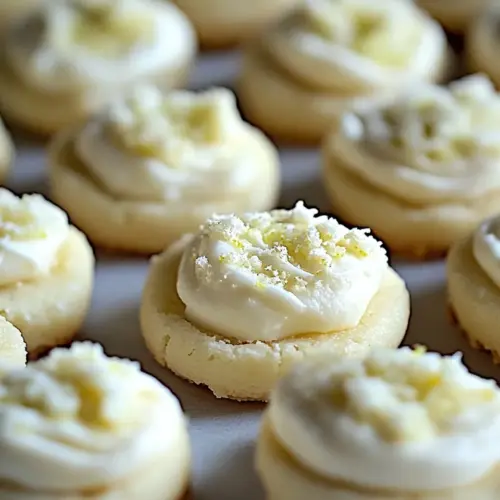
Key Lime Shortbread Cookies
Key Lime Shortbread Cookies blend crumbly, buttery texture with bright, tangy key lime notes for a light, zesty treat. These crisp yet tender cookies are perfect for spring gatherings and easy to make ahead, giving you a sweet finish that feels fresh and elegant. Try them for brunch or as a thoughtful homemade gift, they are simple and reliably delightful.
Equipment
- Electric Mixer
- Mixing Bowl
- Baking Sheet
- Parchment Paper
- Waxed paper
- Knife
- Offset Spatula
- Cooling rack
Ingredients
- 3/4 cup (170 g) butter, at room temperature Cream together to provide the rich, tender fat base that contributes flakiness and structure to the shortbread dough; ensure butter is at room temperature for proper aeration and even incorporation with sugar and dry ingredients.
- 1/2 cup (56 g) cornstarch Tenderize the crumb by adding a fine, silky texture that reduces gluten formation, helping create a delicate, melt-in-your-mouth shortbread while also absorbing some moisture for proper dough consistency.
- 1/2 cup (57 g) confectioners sugar Sweeten and lighten the dough while dissolving smoothly into the butter to avoid grittiness; confectioners sugar also helps create a fine, tender texture in the finished cookies.
- 1 1/4 cups (150 g) all-purpose flour Provide the primary structure and body for the cookies by supplying gluten and starch; sifted or well-measured all-purpose flour ensures consistent dough thickness and proper bite.
- 1 teaspoon (2 g) key lime zest Brighten the flavor by contributing concentrated citrus oils that enhance the key lime profile without adding liquid; zest adds aromatic top notes to balance sweetness.
- 1 1/2 tablespoons (21 g) key lime juice Add bright acidity and characteristic key lime flavor that cuts through the richness of the butter and sugar, helping to bind the dough slightly and enhance overall flavor complexity.
- 3/4 cup (85 g) confectioners sugar Create a glossy, sweet coating or finishing dusting that accentuates the lime flavor and provides a pleasant, meltaway sweetness when paired with the shortbread base.
- 1/4 cup (57 g) butter, at room temperature Enrich fillings or glazes by lending a smooth, creamy texture and additional fat that helps balance powdered sugar for a spreadable consistency and richer mouthfeel.
- 1 teaspoon (2 g) key lime zest Lift and intensify citrus aroma by providing concentrated oils; using zest again in topping or filling layers reinforces the key lime character throughout the cookie.
- 1 tablespoon (14 g) key lime juice Introduce a bright, acidic punch to glazes or fillings that balances sweetness and sharpens the overall key lime flavor, contributing freshness in small measured amounts.
Instructions
- For the Cookies: The kitchen will smell faintly of butter as you begin. When you cream the butter , you should notice a soft creaminess and a slight sheen, not a fluffy volume, which is expected for shortbread. Use an electric mixer at medium speed for about three minutes; you will hear a steady, gentle hum and see the mixture smooth out. The reason we do this is to evenly distribute fat and sugar so the dough binds without developing excess air pockets that could change texture. Common mistakes include overbeating which warms the butter too much, making the dough greasy, or undercreaming leaving lumps of butter that create uneven texture. If your butter seems too soft, chill the bowl briefly and continue.
- Cream butter, cornstarch, and confectioners sugar until well-combined, not fluffy, about 3 minutes on medium speed with an electric mixer.: You'll notice the mixture go from grainy to smooth, with a pale, satiny finish. This step matters because the cornstarch needs to be fully integrated to lighten the crumb, and the confectioners sugar must dissolve into the butter to avoid grainy pockets. Listen for the mixer sound to become more uniform, and pause to scrape the bowl down so everything blends evenly. A typical error is working at too high a speed which can aerate the mix excessively, altering the shortbread's dense crumb. If that happens, chill the bowl and proceed gently by hand for a minute.
- Add flour to the butter mixture just until well-combined.: As you fold in the all purpose flour , you should see the dough begin to come together into a soft mass. The tactile cue is a cohesive, slightly tacky dough that still holds shape. This technique prevents overworking gluten, which would make the cookies tough instead of tender. Use a spatula to finish mixing; the visual cue is no streaks of dry flour left. A common pitfall is continuing to mix until the dough becomes glossy or elastic, a sign of overdevelopment. Stop as soon as the flour is incorporated.
- Add key lime zest and juice. Beat until mixed thoroughly and soft dough is formed.: When you add the key lime zest and key lime juice , inhale the bright citrus aroma as it awakens the dough. The juice brings slight tackiness that helps the dough bind, and the zest releases oils that perfume the mixture. Beat just enough for the ingredients to be evenly dispersed so small flecks of zest are visible. If you overmix, the dough may lose its tender crumb structure. If the dough feels unexpectedly wet, chill it briefly to firm up before shaping.
- Divide dough into halves. Form each half into 1 inch roll.: As you shape the dough, feel for a smooth surface and consistent density. Rolling into tight cylinders ensures uniform slices later. The key is to compress gently, smoothing seams, so each roll bakes evenly. If you leave air pockets, slices may crumble or bake unevenly. If the dough is too sticky to shape, dust hands lightly with a little all purpose flour or chill the dough for five to ten minutes before forming.
- Wrap in waxed paper and refrigerate at least 1 hour or until firm.: Chilling firms the butter , which keeps the rolls from collapsing and preserves the shortbread texture. During this time the flavors meld and the zest oils settle into the dough. The visual cue will be a noticeably firmer log that holds a clean slice. A common mistake is slicing before fully chilled, which causes ragged edges and spreading. If short on time, freeze for 20 to 30 minutes instead of refrigerating, but watch carefully to avoid freezing solid.
- When ready to bake, preheat oven to 350 degrees.: Preheating is crucial for predictable bake behavior. As the oven warms, you may smell residual citrus from the dough, and the oven reaching temperature ensures the shortbread sets quickly without overbrowning. Use an oven thermometer if you suspect calibration issues. Putting cookies into an oven that is not fully hot can lead to excess spreading or a dense texture. Avoid opening the oven door frequently during baking which can change temperature and affect results.
- Slice dough into 1/4 inch slices. Place on cookie sheet lined with parchment paper and bake for 10 minutes or until set. Cookies will not brown.: Slicing thin even rounds creates consistent baking and a delicate snap. As they bake, listen for a subtle quiet settling, and look for the edges to set while the centers remain pale. Because these cookies do not brown, use the visual cue of set edges and a firm surface rather than color. A frequent error is slicing unevenly, which results in some cookies finishing earlier than others. Use a sharp knife and a gentle sawing motion for clean slices.
- Cool completely.: Cooling is when the shortbread firms to its final texture. You will feel a contrast between warm, fragile centers and cooled, crisp edges. Allow cookies to rest on a rack until they are completely room temperature, this prevents frosting from sliding off. Rushing this step by applying frosting while cookies are warm will cause the topping to melt and lose structure. If you are impatient, cool on a rack near a fan for quicker, even cooling.
- For the Frosting: The frosting comes together quickly and adds the final citrus note. When you cream butter and confectioners sugar , expect a glossy, silky texture that holds air. The sensory cue is a light sweet scent turning into a bright lime aroma once you add zest and juice. Keep the frosting cool enough to spread without sliding off the cookies.
- Cream butter and confectioners sugar. Add key lime zest and juice.: As you whip the frosting, notice how the texture moves from dense to airy. The confectioners sugar should dissolve into the butter , creating a smooth base. Adding the key lime zest releases aromatic oils while the key lime juice adjusts the balance between tart and sweet. If the mixture becomes too loose from the juice, gradually add more confectioners sugar to thicken. Mixing too long can also warm the butter , making the frosting soft and runny.
- Beat until fluffy.: Fluffiness is your goal, with the frosting forming soft peaks that hold shape briefly. The acoustic cue is a lighter, faster mixer sound and the visual cue is an airy texture that piles lightly on a spoon. This affects how the frosting spreads and how it looks on the cookie. Overbeating may incorporate too much air and make the frosting unstable, while underbeating leaves it dense and flat.
- Spread frosting on tops of cookies.: The final act is spreading a modest layer of frosting so each cookie has a clean, tangy finish. Use a small offset spatula or the back of a spoon to apply a thin coat; you want to taste the shortbread and the lime together. A common mistake is applying frosting to warm cookies which causes slipping and pooling. If that happens, set the cookies back on the rack to cool completely and reapply once cold.
Notes
- Room temperature butter matters Make sure both the dough and frosting butter are soft but not melted, so they cream properly and give the right texture.
- Keep the zest bright Zest just before using to capture the most aromatic oils; zest stored long loses punch and can taste flat.
- Chill for cleaner slices Refrigerate dough logs until firm so thin slices hold shape and edges stay neat during baking.
- Sift confectioners sugar Sifting ensures a smooth frosting and prevents grainy texture, which is especially noticeable on thin cookies.
- Thin frosting thoughtfully Add the key lime juice gradually to achieve spreadability, stopping before it becomes runny.
- Store properly Layer cookies between sheets of parchment in an airtight container to keep them from sticking and to preserve their crispness.