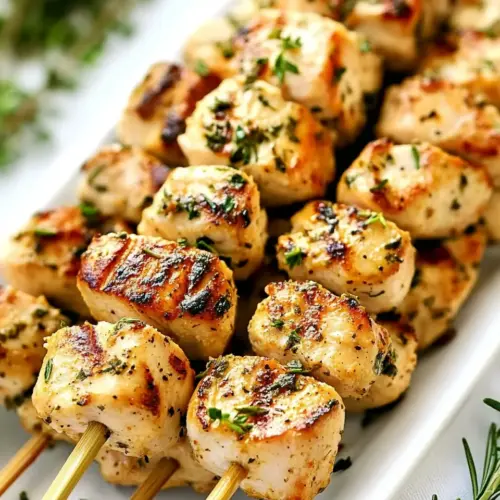
Keto Italian Chicken Skewers
Keto Italian Chicken Skewers are tender, garlicky, and bright with lemon and herbs, perfect for an easy weeknight dinner or a relaxed summer grill. The buttermilk marinade keeps the chicken juicy while the olive oil and Italian seasoning deliver a crisp, savory crust. Quick to assemble and full of flavor, these skewers are a simple way to impress family and friends.
Equipment
- Grill or Cast Iron Grill Pan
- Large ziplock bag
- Mixing Bowl
- Whisk
- Tongs
Ingredients
- 1 1/2 – 2 pounds boneless and skinless chicken breast cut into 3 inch cubes Provide tender protein and substance to the skewers, offering a lean source of meat that soaks up marinades and grills quickly; cut into 3 inch cubes to ensure even cooking and juicy texture.
- 1/4 cup extra virgin olive oil plus extra for cooking Add healthy fat and a fruity richness to the marinade, helping to disperse flavors and prevent sticking during cooking; reserve extra for brushing the grill or pan to promote browning.
- 1/2 cup buttermilk Contribute mild acidity and slight tang to tenderize the chicken while adding richness, helping to break down proteins for more succulent bites.
- 1 tablespoon dried Italian seasoning herbs mix Deliver a concentrated blend of Mediterranean flavors that infuse the meat with oregano, basil, thyme, and rosemary notes; dried form provides convenience and robust seasoning without extra moisture.
- 1/4 cup parsley chopped Offer fresh herb brightness and a mild peppery flavor that lifts the overall profile, adding color and a clean finish when mixed into the marinade or sprinkled at serving.
- 4 cloves garlic minced Impart pungent aromatic depth and savory bite, creating a backbone of flavor that complements the herbs and lemon; mincing releases oils for better distribution in the marinade.
- 1 lemon zested and juiced Provide bright citrus acidity and fragrant zest that brighten and balance the richness, with juice aiding in tenderization while zest adds intense lemon aroma.
- 1/2 teaspoon kosher salt Enhance and elevate all flavors with clean seasoning, helping to bring out the natural taste of the chicken and harmonize the herbs, garlic, and lemon.
- 1/4 teaspoon ground black pepper Supply subtle heat and earthy aromatics to round out the seasoning, offering just enough peppery complexity without overpowering the other ingredients.
Instructions
- Clean chicken by running it under cold water and pat dry with paper towels. Cut and discard any fat pieces.: You will notice a cool, faintly meaty aroma as you rinse the chicken , and patting the pieces completely dry is essential for good browning. Moisture on the surface creates steam and prevents the formation of a seared exterior, so use paper towels and press gently but thoroughly until the pieces feel tacky rather than wet. Removing any visible fat reduces flare ups on a hot grill and prevents uneven cooking. A common mistake here is rushing the drying step, which leads to pale, steamed meat instead of the golden, slightly charred crust you want. Take your time and check each piece for residual connective tissue or fat and trim it away for uniform bites.
- Cut chicken into 3-inch cubes and add to a large ziplock bag.: As you knife into the breast, you will see clean, even cubes that give consistent cooking time. Placing the pieces into a large ziplock bag lets the marinade envelop the chicken with minimal cleanup. Press out excess air before sealing so the liquid contacts all surfaces. The texture will feel firm once cubed but still pliable. Avoid cutting uneven sizes, because smaller pieces will overcook and larger ones will remain underdone, creating an inconsistent final plate.
- In a medium bowl, mix the rest of the ingredients: olive oil, buttermilk, Italian seasoning, parsley, garlic, lemon juice, lemon zest, salt, and pepper. Whisk until fully combined. Pour the mixture over the chicken.: olive oil, buttermilk, Italian seasoning, parsley, garlic, lemon juice, lemon zest, salt, and pepper. Whisk until fully combined. Pour the mixture over the chicken. : When whisking, the aromas of minced garlic and zested lemon will intensify, and you should see a glossy emulsion from the olive oil coating the buttermilk . Pouring the marinade over the chicken is visually satisfying as the pieces turn pale gold beneath the mixture. The reason this matters is that an even coating ensures every bite picks up the same flavor profile and tenderizing action. A common error here is under-whisking, which can leave the oil separated and result in patchy seasoning. Whisk until the mixture is homogeneous and aromatic.
- Close the ziplock bag, shake to coat the chicken evenly in the marinade, and refrigerate for at least one hour or overnight. Preferably, shake and toss the chicken during this period a few times so it marinates evenly.: You will hear a soft sloshing as the marinade moves, and the scent will grow more herb forward over time. Refrigeration lets the buttermilk and lemon work on the proteins so the interior becomes tender without becoming mushy. Shaking the bag a couple of times redistributes the marinade for consistent penetration. The most frequent mistake is marinating on the counter at room temperature for too long, which risks safety and uneven tenderizing. Always keep the bag chilled and resist the urge to marinate less than the recommended time if you want truly juicy results.
- For outdoor grilling, heat the grill until hot and spray it with cooking oil. For indoor cooking, place a cast iron grill pan over medium-high heat and add about 2 tablespoons of olive oil to it.: As the cooking surface heats, you will notice a metallic warmth and, on a grill, small rising wisps of smoke as any residue burns off. Oiling the grates or pan prevents sticking and promotes a crisp exterior. The goal is a very hot surface so you get immediate contact sear that locks in juices. A common trap is cooking on a surface that is too cool, which produces pale, rubbery meat rather than caramelized crust with complex aromas. Preheat thoroughly until the pan or grates are visibly hot.
- If you'd like, please arrange the chicken pieces on wooden skewers. Grill for 5-8 minutes on each side or until the chicken is no longer pink in the middle.: Threading the cubes onto skewers creates easy turning and even exposure to heat, and you will hear a lively sizzle when the pieces hit the hot surface. As they cook, look for the edges to take on a golden to deep brown color with small charred spots, and smell the savory garlic and lemon as they concentrate. The internal texture should move from translucent to opaque when pressed lightly with tongs, and the juices should run clear. Use a thermometer if you like, aiming for an internal temperature that ensures doneness without drying. Avoid overcooking, which dries the chicken and makes it stringy; check early so you can remove skewers the moment they are done.
- Serve with a salad, lemon, and your favorite dressing for dipping.: When plated, the warm skewers will emit savory steam and a citrus lift from the zested lemon . A crisp salad provides a cooling contrast in texture and temperature, and an extra wedge of lemon lets guests add brightness to their bites. Present on a platter so the board looks abundant, and offer a small bowl of dressing for dipping to enhance each mouthful. One frequent oversight is serving without an acidic counterpoint, which can leave the dish feeling too oily or one dimensional. The fresh components make the plate lively and balanced.
Notes
- Make it spicier: Add a pinch of crushed red pepper or cayenne to the marinade for a subtle heat that plays nicely with the garlic and lemon.
- Shorter marination: If you are pressed for time, marinate for at least one hour and slightly pound the chicken to help the flavors penetrate faster.
- Indoor searing: Use a preheated cast iron grill pan and ensure it is smoking hot before adding the skewers to create those desirable charred marks.
- Herb swap: If you prefer, replace parsley with basil or cilantro for a different herbaceous profile, added just before serving to preserve fresh color.
- Meal prep: Marinate the chicken and store in an airtight container for up to 24 hours, then grill quickly when ready to eat for a nearly instant dinner.