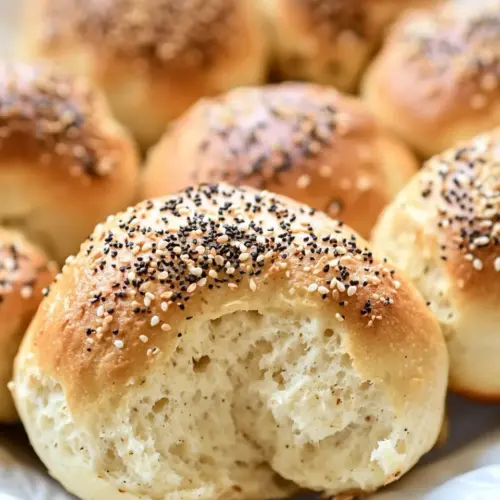
Keto Dinner Rolls
Keto Dinner Rolls are tender, slightly chewy low carb rolls with a nutty aroma and golden tops. These easy rolls use whipped eggs, almond flour, and psyllium to create a surprisingly bread like texture, perfect for an easy weeknight dinner or a low carb gathering. Make them for a warm, comforting side that still fits your macros.
Equipment
- Mixer
- Mixing Bowls
- Baking Sheet
- Parchment Paper
Ingredients
- 2 cup 200 g almond flour Provide a nutty, low-carb base and tender crumb; adds healthy fats and structure while absorbing moisture for stability in keto baking.
- 2 eggs room temperature, separated Separate and whip for volume in both yolk and white stages; yolks add richness and emulsification while the separated whites allow for meringue-like lift.
- 2 egg whites room temperature Whip to increase air and lightness; contributes additional protein and structure without adding extra fat, helping rolls rise and stay airy.
- 3 tbsp 24 g psyllium husk powder Absorb liquid and gel to bind ingredients; creates a bread-like texture in low-carb recipes by trapping moisture and giving chewiness.
- 1/2 cup 120 ml hot water Hydrate dry fibers and activate psyllium’s gelling properties; hot water helps form a viscous dough and improves binding and texture.
- 2 teaspoon baking powder Leaven quickly to create lift and tenderness; releases gas during baking to help the dense low-carb dough rise and lighten.
- 1/2 teaspoon xanthan gum Stabilize and thicken the dough while improving elasticity; helps mimic gluten’s stretch and prevents crumbliness in keto rolls.
- pinch salt Enhance overall flavor balance and amplify other tastes; a small amount improves perception of sweetness and rounds savory notes.
Instructions
- Preheat the oven to 180 Celsius / 356 Fahrenheit.: The oven warming fills the kitchen with a gentle heat that sets the stage for even baking. You want a steady, preheated environment so the rolls begin rising immediately when they meet the heat; this ensures a nice oven spring and an even golden top. A cold oven will make baking times unpredictable and produce a denser crumb. Always place your tray on the middle rack for balanced air flow, and if your oven runs hot or cool, adjust with an oven thermometer.
- Separate the eggs. Beat all 4 egg whites until stiff peaks form. In a separate bowl, whisk the 2 egg yolks until they have doubled in size and are pale in colour.: The sound of the mixer changes as the egg whites transform from liquid to glossy peaks, a sign that air has been trapped to provide lift. The yolks, when whipped, turn pale and slightly thickened, adding tenderness and richness. If your whites stay soft, they likely have traces of fat or yolk contamination, so start over with a clean bowl. Use room temperature eggs to maximize volume; cold eggs will whip slower and less fully.
- Mix the almond flour, psyllium husk powder, xanthan gum and baking powder together. Then add to the egg white and egg yolk, together with the hot water. Blend until combined - don't over-blend!: When you blend these dry elements with the whipped components, you should see a thick, gel like dough form, smelling faintly nutty from the almond flour . The hot water should be added gradually so the psyllium hydrates evenly and the mixture does not seize. Over-blending can deflate the whipped whites and lead to heavy rolls, so fold gently until the mixture is uniform. If the dough seems too dry, a teaspoon of additional warm water can rescue it; too wet and the rolls will spread.
- Wet your hands with water or oil them slightly, so the dough does not stick to your hands. Form a large dough ball and cut into 8 pieces. Form 8 rolls and place them on a baking sheet lined with parchment paper.: The dough will feel slightly tacky and springy, not sticky, and wetting your hands helps smooth the surface without tearing. When shaping, you want compact rounds with a taut skin; this encourages a smooth top and even rise. If the dough sticks despite wetting, chill it briefly for 5 to 10 minutes to firm up. Space the rolls evenly so hot air circulates around each one in the oven.
- Optional: Cut a cross on the tops of your rolls and sprinkle with poppy/sesame/nigella seeds.: Cut a cross on the tops of your rolls and sprinkle with poppy/sesame/nigella seeds. : Scoring creates a traditional look and allows a controlled expansion point, while seeds add a toasty crunch and visual contrast. If you want a glossy finish, brush with a tiny bit of oil before seeding. Take care not to press the score too deep, or the roll may split irregularly. If you skip seeds, the rolls will still brown nicely and taste great.
- Bake for circa 25 - 30 minutes on the middle shelf until browned on top.: The oven transforms the dough into golden rolls; you should hear a faint crackle of crust forming and smell a warm, toasty aroma from the almond flour . The tops should be evenly browned and the rolls spring back lightly when pressed, indicating doneness. If they remain pale after the time window, extend baking in short increments to avoid drying out. A common mistake is opening the oven repeatedly, which drops temperature and can prevent proper browning and rise.
Notes
- Room temperature eggs: Pull your eggs out 20 minutes before baking so they whip better and separate more cleanly, improving volume and texture.
- Hydrate psyllium correctly: Use hot but not boiling water to activate the psyllium husk powder, and add it slowly to avoid lumps and ensure a uniform, elastic dough.
- Check baking powder freshness: Old baking powder reduces rise; test a quarter teaspoon in hot water to see if it bubbles vigorously before using.
- Protect whipped whites: Fold the dry mix in with a light hand to keep trapped air from escaping, which preserves a lighter crumb and oven spring.
- Adjust for humidity: If your kitchen is very humid, you may need a touch more almond flour to keep the dough from being too sticky, but add by teaspoon increments.
- Use parchment paper: It prevents sticking and helps the bottoms brown evenly without overcooking the exterior.