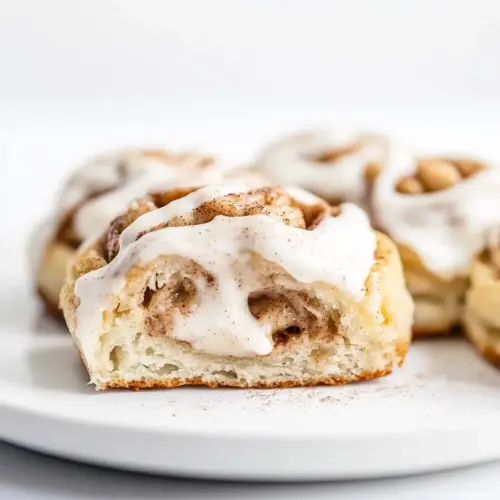
Keto Cinnamon Rolls
Keto Cinnamon Rolls are soft, fluffy, and low net carb, offering a creamy cream cheese frosting and warm cinnamon filling. This easy bake produces bakery style texture using Carbquik and keto sweeteners, perfect for an easy weeknight brunch or cozy morning treat, making them a must try for anyone wanting flavor without the carb load.
Equipment
- Powdered Erythritol
- Carbquik
- 8×8-inch pan
Ingredients
- 3 1/2 cups Carbquik Provides the low-carb flour base enabling a tender, cake-like dough for the rolls; forms the bulk of the structure and absorbs liquid for proper texture. Enhances browning during baking and helps create a light crumb similar to traditional wheat-based rolls. Works well with leavening agents and fats to deliver a soft, sliceable finished product.
- 1 cup water Acts as the hydrating agent to bind the dry mix into a workable dough; controls dough consistency and elasticity. Also contributes to steam during baking which aids in rise and texture. Use warm or room temperature water for even incorporation.
- 6 tablespoons butter, softened Adds rich mouthfeel and tenderness by coating flour proteins and creating laminated layers when mixed into dough. Softened butter helps with spreadability and contributes to the dough’s flavor and flakiness. Also supports browning and a pleasing buttery aroma when baked.
- 1/2 cup brown swerve Provides sweetness and a caramel-like flavor while keeping the recipe low in digestible carbs; helps balance the cinnamon and cream cheese flavors. Granulated brown-style erythritol adds slight moisture and a soft granular texture to the filling. Use evenly to ensure consistent sweetness throughout the rolls.
- 1 tablespoon cinnamon Adds warm, aromatic spice that defines the classic cinnamon roll flavor; pairs with sweetener to create the signature filling. Enhances perceived sweetness and depth without adding sugar, and a little goes a long way. Sprinkle evenly for balanced flavor in every bite.
- 1/2 block cream cheese, at room temperature Contributes a creamy, tangy element to the glaze that adds richness and balances sweetness; soft, room-temperature cream cheese blends smoothly for a glossy finish. Provides body and slight acidity which lifts the overall flavor profile of the icing. Ensure it’s fully softened to avoid lumps in the glaze.
- 1/4 cup butter, at room temperature Supplies additional fat and smooth texture to the frosting when at room temperature; helps achieve a silky consistency and spreadable frosting. Complements the cream cheese’s tang and aids in glossy appearance and mouthfeel. Beat together thoroughly for a lump-free glaze.
- 1 cup powdered Erythritol Delivers fine-grain sweetness for the frosting that dissolves easily to create a smooth, powdered-style icing without impacting blood glucose. Powdered erythritol provides bulk and structure to the glaze while maintaining low-carb credentials. Sift or whisk well to prevent graininess in the finished frosting.
- 1 teaspoon vanilla extract Imparts aromatic vanilla flavor to the glaze, rounding out the sweetness and adding complexity to the overall taste. Small amounts enhance perceived sweetness and bring a bakery-style finish to the cinnamon rolls. Stir in last to preserve its delicate aroma.
Instructions
- In a large bowl using a wooden spoon spatula, combine carb quick and water until a firm dough forms. Pour dough mixture onto a clean surface floured with a few teaspoons of carb quick and knead for 2-3 minutes.: You will feel the dough come together from a shaggy mix to a cohesive ball, and that tactile change tells you that hydration is just right; the surface should be slightly tacky but not sticky. The sound is muted as the dough lifts from the bowl, and visually you will see no loose dry pockets of Carbquik . This step matters because uniform hydration ensures even crumb and prevents dense, gummy centers. A common mistake is adding too much water at once, which makes the dough too wet and difficult to shape, so add the water slowly while stirring.
- Rest the dough for 5 minutes. Roll out into a rectangle, spread butter over dough, sprinkle with brown swerve and top with cinnamon. Roll up dough lengthwise and cut into 9 equal pieces. transfer to an 8×8 or 9×9 baking dish.: As you knead, the dough warms and becomes smoother; you will notice its texture tightening and gaining elasticity. The surface should develop a slight sheen from the softened butter integrated into the mass. This kneading develops the internal structure that helps the rolls hold their shape and bake with an even crumb. Avoid overkneading, which can make the dough too firm and dry, and watch for excessive sticking, which usually signals the need for only a dusting of Carbquik instead of more water .
- Bake at 375 F preheated oven for 25 minutes. Remove from oven and cool at least 5 minutes before frosting.: During this pause, the dough relaxes and the Carbquik fully hydrates, making it easier to roll out without springing back. You may feel the dough cool slightly and become more pliable to the touch. This rest is important because it reduces tearing during rolling, producing smooth sheets for even filling distribution. A typical misstep is skipping the rest, which leads to a dough that resists rolling and produces uneven spirals.
- To make cream cheese frosting: Whisk all the ingredients in a small bowl until lump-free.: The act of rolling should produce a thin, even rectangle with smooth edges; you will see the surface become glossy where the butter is spread. Sprinkle the granular brown swerve evenly so each bite has balanced sweetness, and dust the cinnamon to perfume the filling. This layering is crucial because it creates defined swirls and caramelized pockets of flavor. A common error is applying filling unevenly, which causes some rolls to be overly sweet while others are bland, so take a moment to spread everything uniformly.
- Roll up dough lengthwise and cut into 9 equal pieces transfer to an 8×8 or 9×9 baking dish: As you roll, keep gentle pressure so the log is compact and the spirals stay intact; you should hear a soft whisper as the layers compress. When cutting, use a sharp knife or string to make clean edges, and position the rolls evenly in the pan to bake uniformly. This technique ensures that each roll bakes with a consistent center to edge ratio, giving balanced texture throughout. Avoid squashing the log as you cut; compressing the rolls will make them dense rather than light.
- Bake at 375 F preheated oven for 25 minutes: During baking, watch for visual cues such as golden tops and slightly browned edges of the spirals, which indicate caramelization of the filling. You will smell an inviting blend of cinnamon and browned butter as the rolls finish, and the aroma should be warm and toasty. Proper oven temperature is important for a tender interior and a set exterior; if your oven runs hot, check at around 20 minutes to prevent overbrowning. A frequent mistake is opening the oven repeatedly, which releases heat and can prevent proper rising and browning.
- Remove from oven and cool at least 5 minutes before frosting: Cooling slightly allows the interior to finish setting and prevents the frosting from melting completely into the roll. You should feel residual warmth when you touch the edge of the pan but not searing heat. This rest helps maintain the frosting's texture and keeps the rolls from becoming soggy. People often frost immediately and end up with overly runny icing, so give those 5 minutes for best results.
- To make cream cheese frosting Whisk all the ingredients in a small bowl until lump-free: As you whisk, the cream cheese and softened butter should combine into a silky, glossy paste, and the powdered Erythritol should dissolve until the mixture is smooth. The aroma will include a subtle tang from the cream cheese , and the texture should be spoonable but not runny. This step ensures the frosting spreads easily and adheres to the warm rolls without sliding off. A common pitfall is using cold cream cheese , which results in lumps, so always bring it to room temperature before mixing.
Notes
- Bring dairy to room temperature, this makes the cream cheese and butter blend seamlessly into a fluffy frosting without lumps.
- Work quickly when rolling, the dough becomes easier to manipulate after resting but can warm and soften if handled too long, which affects spiral definition.
- Use a light dusting of Carbquik on the board, not a heavy coating, to avoid drying the dough while still preventing sticking during kneading and rolling.
- Cut with a sharp knife or dental floss for even rolls, a clean cut preserves the spiral shape and prevents compression that leads to dense centers.
- Let the rolls rest five minutes after baking, this allows the interior to set so the frosting stays atop the roll rather than sinking in.