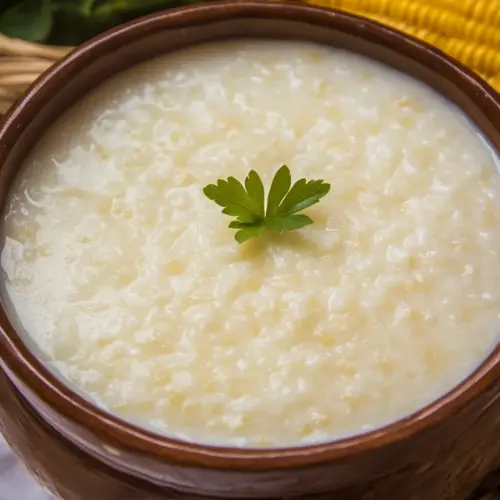
Kasha Russian Porridge
Kasha Russian Porridge is a creamy, nutty bowl of comfort made with toasted buckwheat groats, milk, and a touch of butter. This easy weeknight breakfast or cozy dessert delivers a warm, slightly sweet finish with plumped raisins if you like. It’s perfect for cold mornings when you want a wholesome, satisfying dish that comes together without fuss.
Equipment
- Saucepan
- Dry frying pan
- Colander
Ingredients
- 1 cup buckwheat groats Provide a nutty, earthy base flavor and texture when toasted and simmered; cooks into tender, separate grains that form the classic kasha porridge foundation. Add early in the cooking process to absorb liquid and develop its characteristic aroma and slightly chewy bite. Pair well with butter and milk to round out richness.
- 1 3/4 cups water Supply the necessary liquid to hydrate and cook the buckwheat groats until tender, controlling final texture from creamy to fluffy depending on absorption. Bring to a simmer with the groats so they can swell and soften evenly; adjust quantity slightly for desired consistency. Use filtered water for a clean, neutral taste.
- 2 tbsp butter Contribute rich, silky mouthfeel and shine while enhancing overall flavor with a mild dairy butteriness; melts into the cooked groats to create a smooth finish. Add after cooking or during simmering to incorporate fat and help prevent sticking. Use unsalted or adjust salt accordingly.
- 1/2 tsp salt Enhance overall flavor by balancing and bringing out the natural nuttiness of the buckwheat; helps season the porridge evenly during cooking. Dissolve into the cooking liquid so that the grain absorbs seasoned water, improving taste without overpowering. Adjust to taste for dietary sodium restrictions.
- 1 cup buckwheat groats Act as an additional portion of groats to increase yield and allow for a second cooking step or variation, maintaining the same toasting and simmering behavior as the first cup. Use in combination with added liquids to create a larger batch or layered texture contrast within the porridge. Toast before cooking to intensify flavor.
- 2 tsp honey or sugar Provide a touch of sweetness and light caramel notes to counterbalance the earthy buckwheat, helping to round the dish toward dessert-style porridge when desired. Stir in near the end of cooking so sweetness integrates without thinning the porridge, and adjust amount based on taste or dietary needs. Can substitute closely with sugar if preferred.
- 2 tbsp butter Add further richness and velvety texture, reinforcing buttery flavor and helping to create a creamy mouthfeel when stirred into hot porridge. Use in the finishing stage so butter melts through the grains, lending gloss and indulgence. Can be increased for a more decadent result.
- 2 cups water Offer additional liquid to cook a separate portion of groats or to thin and reheat the porridge, ensuring proper hydration and smooth consistency. Warm gently before combining to prevent temperature shock and to maintain even cooking. Adjust amount to achieve desired porridge thickness.
- 2 1/2 cups milk Contribute creamy body and lacteal sweetness that yields a softer, richer porridge when simmered with groats; milk helps create a tender, porridge-like creaminess rather than a dry grain. Heat gently to avoid curdling and stir into the cooking grains for a luscious texture; choose dairy or plant-based alternatives as needed.
- raisins (optional) Add optional bursts of chewiness and concentrated sweetness that complement the nutty buckwheat; soak briefly if plump, or stir in at the end to preserve texture. Sprinkle on top or fold through to create contrast in each spoonful, and adjust quantity for personal preference.
Instructions
- Prepare the buckwheat by rinsing and draining the grains at least twice. Leave the drain completely in a colander before continuing.: You will notice the water running clearer as you rinse, removing dust and loose starch, which prevents a gummy texture. Rinsing also refreshes the surface oils, making the eventual toasting more even. A common mistake is skimping on rinsing, which can lead to clumps and a cloudy final pot. Make sure the colander drains completely so you do not trap excess water that will alter the grain to water ratio.
- If the grain isn't pre-roasted, you might want to roast them for a better flavor. Simply place the buckwheat in a dry frying pan, and toast for a few minutes until the grains turn golden in color.: When you toast the groats in a dry pan they emit an aromatic, nutty scent and begin to take on a warm golden hue, signals that the Maillard like browning is developing. This step deepens complexity and prevents a flat, raw taste in your porridge. Avoid leaving them unattended as they can go from golden to burnt quickly, turning bitter instead of pleasantly toasted.
- In a saucepan combine the buckwheat, water, butter and salt and bring to a simmer.: As the pot warms you will hear the gentle rise of tiny bubbles and see steam curl up, and the grains will start to swell and soften. The combination of water and butter helps coat the groats, creating a silkier end texture. A typical slip up is boiling too hard, which can break the groats and make the texture uneven; keep the heat low so the simmer is gentle.
- Cover the pan and cook on low heat for about 20 minutes. Once it's cooked through you can take it off the heat and add another tablespoon of butter and adjust the seasoning.: During this quiet phase the groats absorb moisture and become tender, and you might see the surface become glossy. The smell shifts from raw starch to warm, toasty cereal notes. If you lift the lid too often you will lose steam and prolong the cooking, but leaving it completely unchecked can risk sticking on the bottom; check once near the end to confirm doneness.
- Soak the raisins (if using) in a little hot water for 15 minutes then drain away the water.: Soaking plumps the raisins and removes any residual sugar dust, giving you soft, juicy bites rather than tough ones. The soaking liquid can be reserved to adjust the porridge consistency if you like a hint of sweetness in the cooking liquid. Forgetting to drain soaked raisins can add unwanted excess liquid and dilute flavors in the final bowl.
- Place the toasted buckwheat groats in a pan with 2 cups of boiling water and 1 tablespoon of butter. Bring to a simmer, and cook for about 15-20 minutes, until cooked through.: Starting with boiling water jumpstarts the cooking and seals the texture, and that tablespoon of butter begins building the creamy mouthfeel early. As it simmers the groats will rattle gently against the pan, and steam will rise rapidly before settling into a steady bubble. A misstep here is using cold water, which slows cooking and can yield unevenly cooked groats.
- Add in the milk, honey or sugar, raisins and a pinch of salt and heat everything through.: The grains should be tender yet maintain a little bite, and the liquid will mostly be absorbed, leaving a slightly creamy pool around the groats. The aroma becomes richer, sometimes with a toasted sweetness that hints at readiness. Overcooking will make the porridge mushy and glue like; aim for tender but distinct grains.
- Take off the heat and stir in the remaining tablespoon of butter. Divide between 2 bowls and enjoy!: When you add the warm milk the texture turns lusciously creamy and the sweetener melds with the grain, rounding the flavor. The raisins should now be plump and integrated. Heat until steam rises and small bubbles appear at the edge, but do not let it reach a rolling boil which can separate the milk and change texture. One common mistake is adding cold milk which shocks the porridge and can give a grainy feel, so temper with warm liquid when possible.
- Take off the heat and stir in the remaining tablespoon of butter: The final butter melted in off heat gives a glossy finish and carries flavor across the bowl, creating a silky mouthfeel. As you stir you should see the porridge settle into a creamy consistency and smell rich and inviting. A pitfall here is skipping the resting moment off heat; stirring in butter while still vigorously boiling can cause separation instead of a smooth finish.
- Divide between 2 bowls and enjoy: Serve warm so the steam and aroma are at their peak, and you will notice the contrast between the toasted groats and the silky, buttery surface. If using, add a little extra drizzle of honey or a pat of butter on top for shine. A common serving mistake is letting the porridge cool too much before plating, losing the comforting warmth that makes every spoonful satisfying.
Notes
- Choose your groats: Pick pre roasted buckwheat groats if you want convenience and a quick boost of flavor, but if you have raw groats, taking the extra few minutes to toast them in a dry pan yields a deeper, nuttier profile that I prefer.
- Milk selection matters: Whole milk produces the creamiest, most indulgent texture, while lower fat milks thin the porridge slightly; plant based milks can work but alter the flavor, so taste and adjust the sweetener accordingly.
- Sweetener tips: Honey lends floral notes that pair beautifully with toasted groats, while plain sugar gives neutrality; add sweetener gradually so you do not overpower the natural grain flavor.
- Serving temperature: Serve warm rather than piping hot so the full flavors come through without masking subtle nuttiness, and a short rest off heat helps the texture settle beautifully.
- Storage and reheating: Cool the porridge to room temperature, then refrigerate in an airtight container for up to three days; reheat gently with a splash of milk or water to revive creaminess.