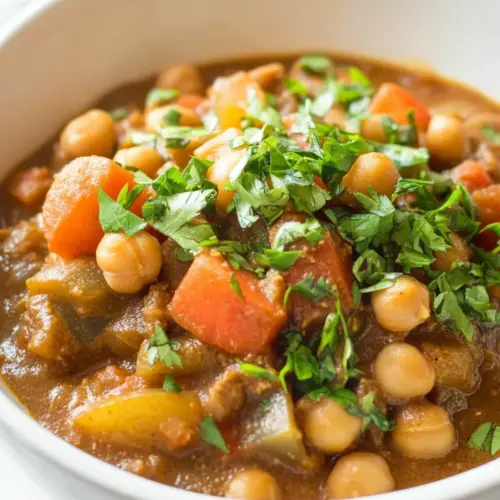
Jamaican Chickpea Curry
Jamaican Chickpea Curry is a creamy, aromatic plant based bowl bursting with toasted curry, ginger, and coconut milk. This easy weeknight dinner delivers comforting texture from potatoes and chickpeas and a silky sauce that clings to every bite. It is quick to pull together, stores beautifully, and is perfect for feeding a crowd or packing for lunches, making it a must make for busy cooks.
Equipment
- Large deep skillet
- Wooden Spoon
Ingredients
- 2 tablespoons avocado oil, or extra virgin olive oil or coconut oil Use to sauté aromatics and spices, providing a neutral or slightly fruity base fat that helps bloom the curry powder and prevent sticking; choose avocado, olive, or coconut oil to adjust flavor and smoke point.
- 2 tablespoons Jamaican curry powder, or regular curry powder Add to release warm, earthy, and mildly bitter flavors that form the backbone of the dish; Jamaican curry powder gives a distinctive aroma while regular curry powder is a suitable milder substitute.
- 1 medium onion, diced Provide a sweet, savory foundation when diced and softened, contributing texture and natural sugars that balance the curry's heat and richness.
- 4 cloves garlic, minced Mince finely to infuse the curry with pungent, savory depth and aromatic sharpness that complements the ginger and curry spices.
- 1 Scotch bonnet pepper, diced, optional Include diced for bright, intense heat and fruity pepper flavor when used, with optional inclusion allowing control over spiciness; remove seeds for milder heat.
- 2 tablespoons minced fresh ginger Bring sharp, zesty warmth and a fresh, slightly citrusy bite when minced, enhancing the curry's complexity and cutting through the coconut milk's richness.
- 1 1/2 teaspoons sea salt or kosher salt Season to enhance and balance all flavors; use sea or kosher salt to taste to bring out sweetness in vegetables and roundness in the curry.
- 3 cups cooked chickpeas, or two 14-oz cans, drained and rinsed Supply hearty protein and creamy texture while absorbing flavors; cooked chickpeas add substance and a nutty element, with canned options for convenience.
- 4 small gold potatoes (about 3/4 lb), cubed (peeling optional) Add starchy body and tender texture when cubed and cooked, helping thicken the curry slightly and providing a comforting, potatoey bite that soaks up sauce.
- 2 small carrots (about 1/4 lb), chopped Contribute sweetness, color, and slight earthiness when chopped, offering a contrasting texture and additional nutrients to the curry.
- 1 15-oz can full-fat coconut milk Create a rich, creamy coconut base that lends natural sweetness, tropical aroma, and silky mouthfeel, balancing spices and heat in the curry.
- 1 1/2 cups water Use to adjust sauce consistency and thin the coconut milk while providing neutral liquid for simmering and melding flavors.
- 2 teaspoons vegetable Better Than Bouillon paste, or swap 1 1/2 cups vegetable broth for the water and bouillon paste Enhance savory depth and umami when dissolved into the cooking liquid, or alternatively replace with vegetable broth for a ready-made savory base.
- 1 pinch dried thyme Add a subtle herbal note that complements Caribbean flavors, contributing a dry, slightly minty and lemony undertone when used sparingly.
- 1 green onion, green parts only, sliced for garnish Garnish with sliced green parts to add a mild oniony freshness and bright visual contrast, finishing the dish with a light, crisp bite.
- chopped fresh cilantro, for garnish Finish with chopped cilantro to impart fresh, citrusy herbaceousness and color, providing a bright counterpoint to the rich, spiced coconut sauce.
Instructions
- Warm the oil in a large, deep skillet over medium heat. Add the curry powder and toast (bloom) for about 20 seconds.: You should smell a sudden, fragrant burst as the curry powder hits the hot oil , a quick floral and peppery perfume that signals the spices are releasing their essential oils. The oil will shimmer but should not smoke; if you see smoke, immediately lower the heat because burned spices taste bitter. Use a wooden spoon to swirl the mixture so the powder heats evenly. A common mistake is leaving the powder unattended, which can turn the flavor acrid in seconds. The brief toasting intensifies the curry's complexity, laying a foundation for the rest of the dish.
- Add the onion, garlic, Scotch bonnet pepper (if using), ginger, and 1/2 teaspoon of the salt. Stir well and sauté for 3–5 minutes, until the onion is tender.: As you cook, the onion will soften and lose its raw edge, becoming translucent and slightly sweet, while the minced garlic and ginger release warm, pungent aromatics. Listen for a gentle sizzle and watch for the edges of the onion to turn glossy, not brown. Stir frequently to prevent the garlic from sticking and burning, which would add a harsh note. If the pan gets too dry, lower the heat and add a splash of water or a touch more oil. The sautéing step builds a savory base that melds beautifully with the toasted spices.
- Add the chickpeas, potatoes, carrots, coconut milk, water, bouillon paste, thyme, and the remaining 1 teaspoon salt. Stir to combine.: When the coconut milk and liquids join the pan, the mixture will loosen and steam, and you will see the sauce start to gloss the vegetables and beans. Stir gently so the starchy potatoes do not break down too early; even distribution ensures each bite is balanced. Check the seasoning after combining, because the bouillon paste can add saltiness. A common error is adding too much liquid at once; add what the recipe calls for, but you can always adjust by simmering longer to concentrate flavors.
- Bring the curry to a simmer, then cover and cook for about 20 minutes, or until the potatoes and carrots are tender.: As the pot simmers, listen for a low, even bubbling and watch the sauce thicken slightly as the starch from the potatoes mingles with the coconut milk . Keep the lid on to trap steam, which helps the vegetables cook through without drying the sauce. Test doneness by piercing a potato cube with a fork; it should slide in without resistance. Avoid vigorous boiling because it can split the coconut milk and make the texture grainy. If the curry seems too thin after the vegetables are done, remove the lid and simmer briefly to reduce and concentrate the sauce.
- Season to taste with additional salt and pepper.: At this stage, the flavors have had time to develop and you can fine tune the balance. A small pinch of salt can brighten everything, while freshly ground black pepper adds a finishing warmth. Taste multiple times, and remember that flavors can mellow after resting, so season slightly more if you plan to reheat leftovers. A mistake is over salting early, which is hard to correct, so add incrementally and taste after each adjustment.
- Serve over brown rice or with vegan naan. Garnish with sliced green onion and cilantro.: The finished curry should be rich and aromatic, with a creamy sauce coating the chickpeas and vegetables. Serve hot over fluffy brown rice or alongside warm vegan naan to soak up the sauce. Scatter the sliced green onion and chopped cilantro on top for a fresh contrast in texture and a pop of color. A common serving error is letting the curry cool too much before garnishing, which dulls the herbs, so add them just before plating to preserve vibrancy.
Notes
- Chop and prep ahead to speed up the cooking process, especially the onion, ginger, and garlic, so you can focus on the toasting of the spices once you start.
- Substitute bouillon with broth by swapping the water and paste for 1 1/2 cups vegetable broth, which can add a cleaner, savory base without concentrated salt.
- Control the heat by adjusting the amount of Scotch bonnet pepper or removing its seeds; you can always add more at the end if you want more spice.
- Use different oils like coconut oil for a nuttier background flavor, keeping an eye on smoking point to prevent burnt spices.
- Make it creamy by using full fat coconut milk and stirring it in gently to maintain a silky texture; avoid boiling aggressively to prevent separation.
- Stretch the meal by serving over a bed of brown rice or with warm vegan naan to make it more filling for guests.