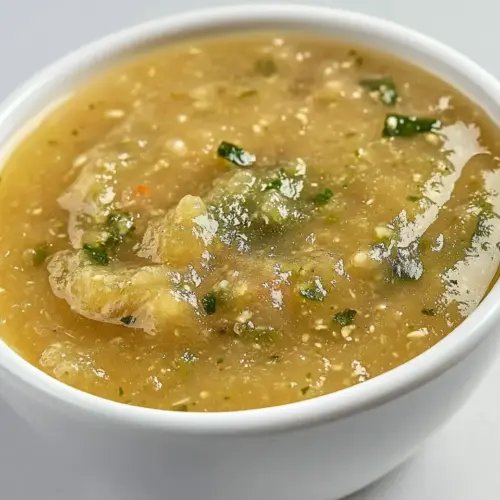
Jalapeño Salsa
Jalapeño Salsa bursts with bright, punchy jalapeños, roasted tomatoes, and fresh cilantro. This easy, quick salsa blends vibrant heat with zesty lime juice for a creamy yet fresh texture. Perfect as a chip dip or topping for tacos, it makes an easy weeknight addition that elevates simple meals. Make a batch for immediate use or to jazz up your next gathering.
Equipment
- Blender or food processor
- Saucepan
- Colander
Ingredients
- 4 fresh jalapeños Provide heat and bright, grassy flavor; adjust amount or remove seeds to control spiciness. Roast or char for smoky depth before chopping for a smoother salsa texture.
- 2 medium Roma tomatoes Add juicy body and mild acidity to balance heat and enhance freshness; remove seeds for less liquid if desired. Char on a skillet for a deeper, roasted tomato flavor that enriches the salsa.
- 1 small onion chopped Supply a pungent, slightly sweet bite and structural texture when finely chopped; helps meld flavors together. Sautéing lightly can mellow sharpness while leaving a pleasant savory backbone.
- 1/4 cup fresh cilantro chopped Give fresh, citrusy green notes and aromatic lift; finely chopped cilantro brightens and rounds the salsa. Fold in at the end to preserve vibrant color and herbal fragrance.
- 2 cloves garlic Offer aromatic pungency and a subtle spicy undertone; mince or press to release oils that deepen flavor. Roasting garlic first will mellow harshness and bring a sweeter, nutty character.
- 1 tablespoon lime juice Provide bright acidity and citrus aroma to balance heat and enhance other flavors; freshly squeezed is best. Start with the stated amount and adjust to taste for desired tang.
- 1 teaspoon salt Season and enhance all flavors while controlling overall taste balance; dissolve thoroughly for even distribution. Use fine salt to avoid grittiness and adjust incrementally to preference.
Instructions
- Boil jalapeños and tomatoes in water for about 10 minutes until they are soft. Remove from heat and drain.: The bubbling water loosens tomato skins and softens the jalapeños , creating a sweeter, rounder flavor and an easier blending texture. You will notice the water steam and the skins beginning to split, with an aroma that is a mix of vegetal sweetness and mild pepper. This step reduces raw sharpness and helps the salsa finish smooth, so do not rush it. A common mistake is leaving the vegetables undercooked which can result in a grainy texture and too-raw flavor; aim for soft but not falling apart. Drain promptly to avoid waterlogging the mixture.
- Remove the stems from the jalapeños and peel the tomatoes. Place them in a blender or food processor.: After the boil, transferring the tomatoes and jalapeños to a colander and letting them rest allows excess water to escape, concentrating flavor. You will feel the residual heat and see a glossy surface on the tomatoes where the skins loosened. Draining prevents a watery salsa, which is especially important if you prefer a thicker consistency. Avoid leaving them in the hot water too long, as they can become overly soft and lose their bright fresh notes.
- Add chopped onion, cilantro, garlic, lime juice, and salt to the blender. Blend until smooth, or until the desired consistency is achieved.: Handling warm peppers is easier for stem removal, and the tomato skins should slip off with gentle pressure. The peppers will release a fragrant, green heat as you work, and the peeled tomatoes will show a vibrant red flesh ready to blend. Use caution with pepper juices on your hands and avoid touching your face, as the capsaicin can sting. A frequent oversight is skipping the peeling, which can trap chewy bits of skin in the final salsa.
- Place them in a blender or food processor: Transfer the prepared jalapeños and peeled tomatoes into your chosen appliance. The bowl will look colorful and smell herbaceous. Blending early gives you control over how smooth the base becomes; pulse to start and observe the changing texture through the container. Do not overfill the blender which can lead to uneven processing, and secure the lid to avoid splatter when you begin.
- Add chopped onion, cilantro, garlic, lime juice, and salt to the blender: Layering the chopped onion , fresh cilantro , crushed garlic , tangy lime juice , and measured salt will round out the flavor profile. As you begin to blend, steam and bright citrus will mix with herbal notes, creating a complex aroma. These additions balance heat and deepen the overall taste; taste after blending and adjust seasoning. A typical mistake is adding too much citrus or salt at once, so season gradually.
- Blend until smooth, or until the desired consistency is achieved: As the blades work, the mixture will transition from chunky to silky, the sound deepening to a steady hum and the color becoming uniform. Stop to scrape down the sides and assess texture and seasoning. The reason this step matters is it determines mouthfeel and how the salsa will cling to chips or food. If you want it chunkier, pulse sparingly; for a pourable sauce blend longer. Be mindful of overheating the motor by blending in long bursts, and avoid adding water which dilutes flavor.
Notes
- Milder Heat, remove seeds and inner ribs from the jalapeños before boiling to reduce capsaicin while keeping the pepper flavor intact.
- Chunky Style, pulse the blender just a few times so the salsa keeps visible pieces of tomato and onion for a rustic texture perfect for scooping.
- Extra Bright, add an extra teaspoon of fresh lime juice at the end and a sprinkle more salt to amp the brightness without changing texture.
- Herb Forward, increase the chopped cilantro to half a cup for a greener, more aromatic profile that pairs well with grilled dishes.
- Mellow Garlic, mince the garlic and let it sit for five minutes before blending to soften its sharp edge and develop a smoother garlic note.