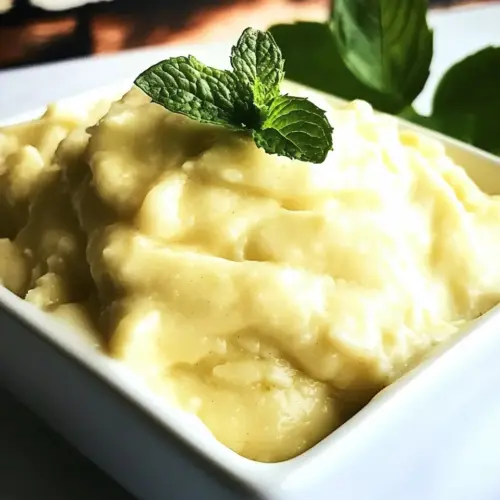
Island Way Sorbet
Island Way Sorbet is a creamy, tropical treat that combines frozen bananas, mango, and pineapple for a bright, refreshing dessert. This easy no churn sorbet is perfect for hot afternoons and impromptu gatherings, delivering silky texture and vibrant flavors in minutes. Make it for a quick summer indulgence that feels special yet effortless.
Equipment
- Coconut Bowls
- Ninja Food Sorbet and Smoothie Processor
Ingredients
- 1 1/2 frozen bananas Frozen and creamy, provides the base texture and natural sweetness that gives sorbet its smooth, ice-cream-like consistency. Helps thicken and bind other ingredients while adding a subtle banana flavor that rounds out tropical notes. Allows the sorbet to achieve a scoopable firmness when frozen and slightly thawed.
- 3/4 cup frozen mango pieces Sweet and vibrant, contributes a concentrated mango flavor that enhances tropical depth and aroma. Adds natural sugars and fiber which help create a silky mouthfeel and improve scoopability. Complements other fruits while brightening color and overall taste.
- 1/2 cup frozen pineapple chunks Juicy and tangy, supplies bright pineapple acidity that balances sweetness and lends a refreshing tropical character. Adds water content and fruit fibers that influence texture and help prevent the sorbet from becoming overly dense. Works well with mango and banana to create layered fruit flavors.
- 1/3 cup milk or coconut milk Creamy and fluid, provides necessary liquid to help the blender process the frozen fruit into a smooth sorbet without adding excess dairy. Can impart a slight richness and subtle coconut or dairy notes depending on choice, which enhances mouthfeel and prevents iciness. Controls final consistency so the mixture blends evenly.
- 1 tbsp lime juice Fresh and zesty, adds bright citrus acidity that lifts flavors and balances the sorbet's sweetness. Enhances aroma and gives a clean finish that offsets the tropical fruit richness. Also helps preserve color and adds a slight tart edge for complexity.
- shredded coconut Light and aromatic, offers a crunchy, toasty finish that enhances tropical character and provides textural contrast to the smooth sorbet. Sprinkled on top, brings visual appeal and a hint of nutty flavor that complements the fruit blend. Can be used toasted or untoasted depending on desired intensity.
Instructions
- Blend the Base: In a heavy-duty blender, combine 1 1/2 frozen bananas, 3/4 cup frozen mango pieces, 1/2 cup frozen pineapple chunks, 1/3 cup of milk or coconut milk, and 1 tbsp of lime juice. This mix is your ticket to a perfect Island Way Sorbet experience.: As you start, you will hear the blender take a steady, rhythmic hum and smell a faint burst of tropical fruit from the frozen mango and pineapple . The first few seconds can be a little clunky as the blades find purchase on the frozen chunks, so pause to let the machine work rather than forcing a high speed immediately. This mix sets the foundation for the sorbet, so the goal here is to break down the fruit into small, cold shards that will emulsify with the frozen bananas . If you rush it at full blast you might overheat the motor or create uneven chunks, so use short pulses to start, then increase speed as the texture loosens. A common mistake is adding too much liquid, which can turn the blend into a smoothie, so keep your 1/3 cup milk or coconut milk measured and only add a little more if necessary.
- First Blend: Beat the mixture for 1 minute, ensuring the fruits are well-blended for that smooth, sorbet consistency.: During this minute of blending you will notice the noise shift as the blades move from chunking to smoothing, and a soft, fruity aroma will rise. The sound should become more uniform and the mixture will slosh in the jar as it becomes more cohesive. This step is important because it warms the fruit slightly with friction, making the next stage smoother. If, after a minute, you still see large chunks, stop and scrape the sides before continuing. A frequent error is assuming the timer equals readiness, so always visually confirm the texture is becoming velvety and free of big pieces.
- Scrape and Blend: Scrape down the sides of the blender to ensure no fruit pieces are left unblended. Blend for another minute to achieve the perfect sorbet smoothness.: When you scrape the sides, you will likely see sticky ribbons of mashed banana and flecks of frozen fruit. Using a spatula prevents unmixed pockets and ensures the sorbet is uniformly creamy. After scraping, blend again and watch the mixture change from granular to glossy. This second blending helps integrate any remaining stubborn bits and gives you that scoopable, ribbon like quality. Try not to overblend, which can melt the sorbet too much, so target a smooth but still cold consistency. One mistake is neglecting to scrape, which leaves behind surprisingly large fruit shards that show up in the finished texture.
- Serve in Style: Spoon your freshly made Tropical Sorbet into a coconut bowl. Top it off with a sprinkle of shredded coconut and a mint leaf for that extra tropical flair.: As you spoon the sorbet into a coconut bowl, notice the contrast of chilled, smooth ice cream against the warm shell. The visual pop of pale yellow and orange with a dusting of shredded coconut elevates the simple dish. Presentation matters because it primes the palate, and a pretty bowl makes people more excited to taste. I like to press the sorbet into neat scoops or gently swirl it for a rustic look. Avoid letting the sorbet sit out while you assemble garnishes, because it will soften quickly in warm hands.
- Enjoy Immediately: Serve your sorbet immediately to enjoy its freshness and vibrant flavors.: The best sensory moment is the first spoonful when the sorbet is still icy and firm yet yields smoothly on the tongue. The lime will cut through the sweetness and the coconut adds a whisper of texture. Serve right away for the optimal balance of temperature and texture, because sorbet will start to soften and lose its structure if left at room temperature. A typical mistake is assuming sorbet can sit like a cake, so plan to serve immediately after blending to preserve its cold, clean flavors.
Notes
- Pick ripe fruit before freezing: The sweetness and aroma of the sorbet depend on fruit that was ripe before freezing. If your fruit was underripe, the sorbet will taste flat; to fix it, add a touch more ripe fruit next time rather than sugar.
- Favor coconut milk for tropical depth: While regular milk will work, using coconut milk adds a silky richness and enhances the tropical profile. Start with the stated 1/3 cup and increase in a teaspoon by teaspoon fashion if the blender struggles.
- Toast shredded coconut for a nutty note: Briefly toast the shredded coconut in a dry skillet until golden and fragrant to add complexity. Watch it closely because it can go from golden to burnt in seconds.
- Work in small batches if your blender is compact: Overfilling can prevent proper blending and strain the motor. If you have a smaller machine, halve the recipe and blend in two rounds.
- Store briefly in the freezer if needed: If you must hold the sorbet, press plastic wrap onto the surface and freeze, but expect a firmer texture when reheated slightly to scoop. Repeated refreezing will crystallize the texture, so minimize storage time.