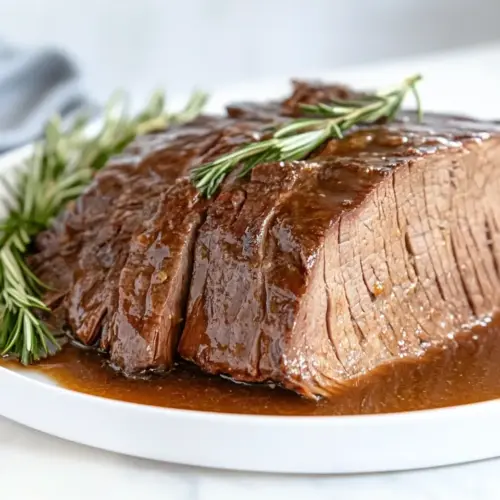
Instant Pot Tri Tip
Instant Pot Tri Tip transforms a simple cut of beef into a tender, savory centerpiece with a caramelized crust and rich pan flavors. This easy pressure cooker recipe delivers consistent, juicy results, perfect for an easy weeknight dinner or a relaxed weekend meal. The spice rub gives a balanced sweet and smoky note, making it worth a try for anyone who wants impressive meat with minimal fuss.
Equipment
- Instant Pot
- Tongs
- Wooden Spoon
Ingredients
- 2 pounds tri-tip Season generously and help form a flavorful crust on the roast during searing; provides the primary protein and texture for the dish, requiring even cooking and resting after pressure release to maintain juiciness.
- 1/2 teaspoon garlic powder Add pungent, savory depth and enhance browned flavors; works well rubbed into the meat to create an aromatic base that complements the other dry seasonings during pressure cooking.
- 2 teaspoons onion powder Impart a sweet, savory oniony note and boost overall umami; sprinkle evenly over the tri-tip to meld with the garlic powder and create balanced seasoning throughout the roast.
- 1 1/2 teaspoons paprika Deliver warm color and mild smoky sweetness while rounding out the rub; contributes to both appearance and subtle warmth that pairs well with the beef’s natural flavors.
- 2 teaspoons brown sugar Provide a touch of sweetness to balance the savory and spicy elements; helps caramelize during searing and slightly enhance the sauce richness in the Instant Pot.
- 1 teaspoon salt Enhance and intensify overall flavor while helping to tenderize proteins slightly; must be measured carefully to maintain a balanced seasoning profile without overpowering the meat.
- 1/4 teaspoon crushed red pepper Add concentrated heat and a pleasant lingering kick; use sparingly in the rub to introduce a subtle background spice that complements the paprika and black pepper.
- 1/2 teaspoon black pepper Contribute sharp, warming heat and complexity to the seasoning blend; cracked or ground, it supports the savory profile and pairs with the red pepper for cohesive spice.
- 2 teaspoons olive oil Lubricate the pan for searing and help develop a deep brown crust on the tri-tip; also assists in transferring heat evenly and building fond for deglazing with broth.
- 1 small onion chopped Provide aromatic sweetness and savory body when softened; sliced or chopped, it melts into the cooking liquid, contributing to the sauce’s flavor and overall depth.
- 1 tablespoon minced garlic Deliver fresh, pungent aromatic intensity that brightens the meat’s flavor; minced garlic releases oils when sautéed, building a fragrant base before pressure cooking.
- 1 cup beef broth Supply savory liquid for braising and deglazing, adding concentrated beef flavor; helps create a cooking environment for tenderizing the tri-tip and forms the basis of the pan sauce.
Instructions
- Trim off any excess fat from the tri-tip. In a small bowl, mix garlic powder, onion powder, paprika, brown sugar, salt, crushed red pepper, and black pepper. Rub the spice blend all over the meat.: As you feel the surface of the tri tip , removing thick pockets of fat helps the seasoning adhere and promotes even searing; the meat should feel firm with a thin connective layer left in place to keep moisture. You will notice a cleaner sear without large fat flare ups. A common mistake is cutting too aggressively, which can dry the edges during high heat cooking, so leave a thin protective layer rather than shaving every trace.
- Set the Instant Pot to the sauté mode and add olive oil. Sear the tri-tip on all sides until a brown crust forms, about 1-2 minutes per side. Remove the meat and set aside. Add the chopped onion to the pot and cook until soft, about 5-7 minutes. Then stir in the minced garlic for about 1 minute.: When you whisk these dry spices together, inhale a chorus of warm, roasted aromas from the paprika and brown sugar , and a sharp savory edge from the powders. This uniform blend ensures every surface of the beef gets the same flavor, preventing pockets of over or under seasoned areas. Avoid overblending with wet hands, which can clump the rub and make it hard to distribute.
- Pour in the beef broth and use a wooden spoon to scrape up all the brown bits from the bottom of the pot. This adds flavor and prevents burning.: As you massage the mix into the tri tip , feel the coarse texture of the rub anchoring to the meat; the scent will intensify and the exterior will look evenly coated. Even pressure and time ensure the granulated sugars begin to adhere, priming the meat for caramelization. A frequent error here is rubbing too little, resulting in a bland crust, so be generous and thorough.
- Place the trivet in the Instant Pot. Lay the seared tri-tip on top of the trivet so that the meat is not sitting in the liquid.: When the pot heats, you will hear the oil thinly ripple and the surface may shimmer. Adding olive oil to a fully hot pot is key to instant surface searing; if the oil smokes excessively, the heat is too high, so reduce it to protect flavors. Do not add the meat to a cold pan, which will prevent proper browning.
- Seal the Instant Pot and set it to high pressure for 25 minutes. Once the cooking cycle is complete, allow the pressure to release naturally for about 10 minutes before doing a quick release of any remaining steam.: As you press the tri tip to the hot surface, you should hear an assertive sizzle and witness a rich, mahogany crust develop within minutes; this Maillard reaction creates deep savory notes. Turn carefully with tongs to maintain the crust. A common slip is moving the meat too soon which rips the developing crust, so wait until it releases naturally before flipping.
- Remove the tri-tip and let it rest for 5 minutes. Slice the meat against the grain and serve immediately.: After searing, the tri tip will feel firmer and will carry a fragrant, roasted aroma; resting briefly keeps juices from running out when placed directly into the pot. Use a plate that catches any juices to keep them for later. Avoid stacking hot pieces, which can trap steam and soften the crust prematurely.
- Add the chopped onion to the pot and cook until soft about 5 to 7 minutes: As the onion softens it will release a sweet perfume and take on a translucent sheen, signaling that its natural sugars are becoming more pronounced. Stir occasionally so it browns lightly but does not burn. If you rush this step and crank the heat, the onion will char and turn bitter, which dulls the final flavor.
- Then stir in the minced garlic for about 1 minute: Fresh garlic will pop with a green sharpness then mellow into a warm, toasty aroma in under a minute; the moment is brief so watch it closely. This step adds immediate aromatic lift to the broth. Overcooking the garlic will make it taste bitter, so remove from direct heat once it becomes fragrant.
- Pour in the beef broth and use a wooden spoon to scrape up all the brown bits from the bottom of the pot: When the broth hits the hot surface you will see steam rise and the browned fond dissolve into the liquid, releasing deep, meaty aroma. Scraping integrates those concentrated flavors into the cooking liquid, which the meat will absorb. Failing to deglaze can leave burnt bits that trigger a burn warning, so be thorough until the bottom looks clean.
- Place the trivet in the Instant Pot: Setting the trivet lifts the tri tip above the liquid, ensuring it steams rather than braises, which preserves a seared exterior while allowing internal collagen to break down; visually the trivet forms a stable platform. If you skip the trivet, the meat will sit in broth and the crust may soften too much, losing texture.
- Lay the seared tri-tip on top of the trivet so that the meat is not sitting in the liquid: As you position the roast, notice how the juices that remain on the plate run down to the pot and mingle with the broth, adding flavor below; the meat should sit elevated to keep the crust intact. Make sure it is centered and stable so it cooks evenly. A typical error is crowding the pot, which forces uneven cooking, so use a single, well placed roast.
- Seal the Instant Pot and set it to high pressure for 25 minutes: Once sealed, the air will thicken and the pressure will build, producing a gentle but consistent environment that transforms connective tissue into silky tenderness; you might hear a low hum as it comes to pressure. This timing balances doneness with moisture. Overcooking at pressure can make meat stringy, so adhere to the recommended minutes for best texture.
- Once the cooking cycle is complete allow the pressure to release naturally for about 10 minutes before doing a quick release of any remaining steam: During the natural release the pot slowly equalizes temperature, which helps the meat finish gently and retain juices; you will notice less violent bubbling and a calmer sound. Quick releasing too early can cause a sudden loss of juices and a tougher texture, so give that quiet ten minutes for optimal results.
- Remove the tri-tip and let it rest for 5 minutes: Resting lets the internal juices redistribute so slices stay juicy, and the surface cools just enough to be handled; you may feel a faint, warm steam as you tent it. Cutting too soon causes the juices to run out, leaving drier slices, so patience at this stage pays off.
- Slice the meat against the grain and serve immediately: As you cut across the grain, the beef will reveal a rosy interior with clean fibers, and each bite will feel tender and cohesive. Proper slicing shortens the muscle fibers, enhancing perceived tenderness. Cutting with the grain or in too-thick slabs makes chewiness more noticeable, so choose thin, deliberate slices.
Notes
- Bring to room temperature Before you start, let the tri tip sit out for 20 to 30 minutes so it cooks more evenly and reaches desired tenderness without overcooking the exterior.
- Dry the surface Pat the meat dry with paper towels prior to rubbing to ensure the spice mixture sticks and a strong crust forms during searing.
- Don't overcrowd the pot If you try to sear too many pieces at once the pan will cool and steam will form, which prevents proper browning; work in batches if needed.
- Check the trivet placement Make sure the trivet sits level so the roast does not tip and cook unevenly; stability during pressure cooking matters for uniform doneness.
- Save the cooking juices After removing the meat, skim and reduce the liquid on sauté for a minute for a quick pan sauce that concentrates flavor and is perfect for serving.