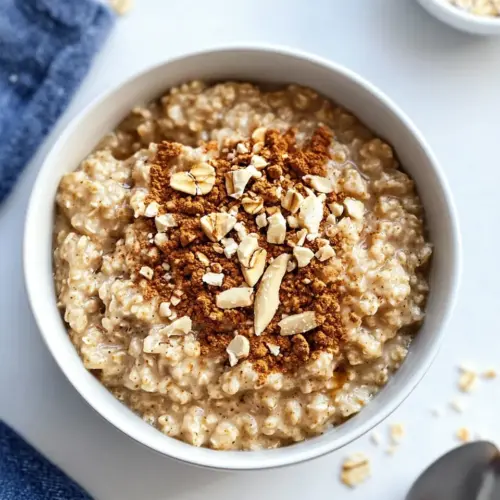
Instant Pot Steel Cut Oats
Instant Pot Steel Cut Oats delivers a creamy, slightly chewy bowl that feels both comforting and wholesome. This easy, hands off recipe yields reliably textured oats with minimal effort, perfect for busy weekday mornings or relaxed weekend brunches. Customize each bowl with nuts, fruits, and a drizzle of maple syrup for a satisfying breakfast you ll want to make again and again.
Equipment
- Instant Pot Duo Plus
Ingredients
- 1 cups steel-cut oats Provide a hearty, chewy base that absorbs liquid and creates a creamy, nutty-textured porridge when pressure-cooked; cook until tender but still slightly al dente for best texture. Offer whole-grain fiber and protein to make the meal satisfying and to sustain energy throughout the morning.
- 2 1/2 cups water Deliver necessary liquid for proper hydration and cooking under pressure, ensuring the steel-cut oats soften and swell evenly without burning. Balance quantity to achieve a creamy consistency while preventing over-thinning or sticking to the pot.
- Desired toppings such as almond butter, blueberries, banana slices, chopped pecans, chopped almonds, and/or hemp seeds Add customizable flavor, texture, and nutritional variety by layering sweet, fruity, nutty, or seed-based toppings; combine at serving to preserve individual textures and freshness. Provide additional vitamins, minerals, healthy fats, and visual appeal that elevate the simple oats into a complete breakfast bowl.
- Maple syrup, for drizzling, optional Provide optional sweetness and a finishing glaze when drizzled over served oats, enhancing flavor without altering cooking chemistry; adjust quantity to taste for a lighter or sweeter profile. Serve sparingly to control added sugars while complementing fruit and nut toppings.
Instructions
- Combine the steel-cut oats and water in a 6-quart (or smaller) Instant Pot. Secure the lid and Pressure Cook on High for 10 minutes.: Warm, faintly nutty scents will rise as the oats begin to hydrate, and visually you ll see the dry grains swell slightly when they meet the water . This initial mixing matters because even distribution prevents pockets of dry oats that might stay undercooked. One typical error is using a too large pot which can allow more evaporation before pressure builds; using a 6 quart or smaller keeps the liquid to grain ratio consistent and helps the Instant Pot come to pressure efficiently. If the oats stick to the bottom at this stage, a quick stir ensures even contact with liquid.
- Allow the Instant Pot to release pressure naturally. This will take about 20 minutes. When the float valve drops, remove the lid and stir the oats (there will be some water separation - that’s ok).: As pressure builds, you ll hear a steady hum and the inner pot will become filled with steam that softens the steel cut oats . This controlled high heat breaks down the grain s exterior and releases natural starches, which creates the creamy texture we crave. Don t rush the build up to pressure, and avoid opening the lid during cooking because that interrupts the process and can result in uneven texture. A common mistake is underestimating the time needed for pressure to build, so factor that into your schedule.
- Serve with desired toppings. See the blog post above for suggestions.: You ll notice the pot quiet down and steam gradually dissipate during the natural release, which usually takes about 20 minutes. This slow finish is crucial because it lets the oats continue to steam and tenderize gently, preventing a gluey outcome that can happen with quick release. Listen for the subtle change in sound as the pot settles, and check the float valve only when it has dropped. Avoid forcing the lid open early, because that can cause splattering and uneven moisture distribution.
- When the float valve drops, remove the lid and stir the oats: Expect some water separation, which is normal and an indicator that the structure of the oats is right, not a failure. Stirring incorporates any separated liquid back into the bowl, yielding a glossy, slightly thickened porridge with grains that still have bite. The aroma will be warm and toasty with a hint of sweetness from the oats themselves. If your oats seem too loose, let them sit with the lid off for a few minutes, stirring occasionally. A common misstep is aggressive stirring which can break down the grains too much, so use gentle, confident folds instead.
- Serve with desired toppings: The final serving step is where the bowl comes alive, with textures from chopped almonds or pecans , creaminess from almond butter , and bright notes from blueberries or banana . Sensory contrast is everything here, so add crunchy, creamy, and fresh toppings to create balance. If you re adding maple syrup , drizzle a little at a time while tasting, because the sweetness level is personal. Avoid piling on very wet fruit if you want the mixture to keep a thicker consistency over time.
Notes
- Adjust Texture: If you prefer creamier oats, increase the amount of water slightly or let the cooked oats sit covered off heat for a few minutes to thicken. This soft finishing steam helps the grains relax and release more starch. Watch out for over stirring, which reduces bite.
- Sweetness Control: Use maple syrup sparingly and taste as you go. A little goes a long way, and you can always add more after topping. Liquid sweeteners also thin the bowl so add conservatively if you want a thicker texture.
- Boost Protein and Texture: Add spoonfuls of almond butter or scatter hemp seeds for a nutty mouthfeel and extra protein. Fold them in after reheating to preserve texture and avoid sogginess. Be mindful that nut butters can mask delicate fruit flavors, so balance accordingly.
- Fruit Choices: Fresh blueberries or sliced banana bring bright flavors that contrast with the oats warmth, while chopped pecans or almonds add satisfying crunch. Choose fruit based on season so flavors pop naturally.
- Batch Prep: Double the recipe and refrigerate portions for quick mornings. Reheat with a splash of water or milk alternative to restore a creamy consistency without losing the grains integrity.