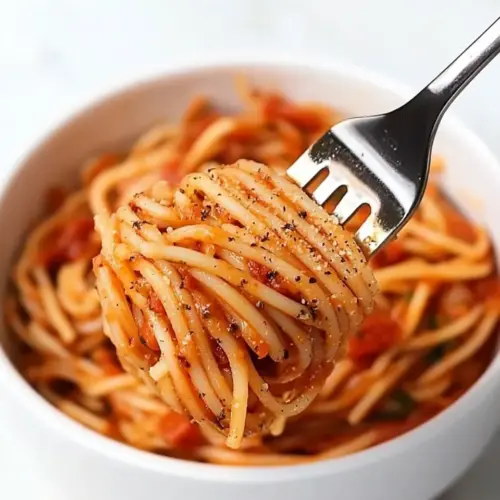
Instant Pot Spaghetti
Instant Pot Spaghetti is a creamy, saucy, and easy weeknight dinner that delivers perfectly cooked pasta infused with rich marinara, whether you choose meat or lentils for body. This one pot approach saves time and cleanup while keeping robust tomato flavor and comforting texture, making it a dependable family favorite you will want to make again.
Equipment
- Instant Pot
- Tongs
Ingredients
- 1 pound lean ground beef or turkey Brown thoroughly to develop savory flavor and create a hearty protein base for the sauce; drain excess fat if desired and break into small crumbles while cooking to ensure even distribution throughout the dish.
- 1 teaspoon salt Season aggressively to enhance overall flavor balance; dissolve into meat and sauce to bring out natural sweetness and reduce bitterness in the tomatoes.
- 1/2 teaspoon dried basil Sprinkle early to infuse an aromatic, slightly sweet herbal note; rehydrate during cooking to contribute depth and Italian-inspired flavor to the sauce.
- 16 ounces dry spaghetti noodles (regular or whole wheat; see gluten-free note) Boil until al dente to provide the primary carbohydrate and body of the meal; separate strands before adding to prevent clumping and ensure even cooking in the Instant Pot.
- 4 1/2 cups water Pour in as the main cooking liquid to hydrate pasta and deglaze the pot; measure carefully to achieve correct pressure and avoid scorching while cooking pasta.
- 1 (25 oz.) jar marinara sauce Ladle in to supply concentrated tomato flavor and to form the core of the sauce; stir to combine with meat and liquid for a cohesive, rich texture.
- 2 to 3 tablespoons tomato paste (optional) Add optionally to intensify tomato richness and thicken the sauce; dissolve well to avoid pasty pockets and to boost umami and tang.
- 16 ounces dry spaghetti noodles (regular or whole wheat; see gluten-free note) Boil until al dente to provide the primary carbohydrate and body of the meal; separate strands before adding to prevent clumping and ensure even cooking in the Instant Pot.
- 1/2 cup dry red lentils (optional) Stir in optionally to increase protein and slightly thicken the sauce; rinse beforehand if desired and monitor cooking time because lentils absorb liquid quickly.
- salt, to taste Season to taste at the end to adjust final flavor balance; sprinkle gradually and taste between additions to avoid over-salting the finished dish.
- 5 cups water (use 1/2 cup less if you omit the lentils) Pour in as the main cooking liquid or adjusted amount based on added ingredients; reduce quantity by the suggested amount if lentils are omitted to maintain proper texture.
- 1 (25 oz.) jar marinara sauce Ladle in to supply concentrated tomato flavor and to form the core of the sauce; stir to combine with meat and liquid for a cohesive, rich texture.
- 2 to 3 tablespoons tomato paste (optional) Add optionally to intensify tomato richness and thicken the sauce; dissolve well to avoid pasty pockets and to boost umami and tang.
Instructions
- Press the Sauté button and allow the Instant Pot to heat up. (This helps prevent sticking.) Drizzle a bit of olive oil into the bottom of the pot, and add the ground meat, salt, and oregano. Stir and break up the meat until it is browned and cooked-through. Drain any grease, if needed, then continue with the following directions, adding the noodles directly on top of the cooked meat. (Don't stir!): You will notice the pot warming, and a faint shimmer of heat will appear on the base where the olive oil sits, creating a pleasant sizzle when the ground meat hits the surface. Browning imparts caramelized notes, adding depth that the pressure process alone cannot produce, so take your time until the meat is evenly browned and no longer pink. A common mistake is rushing this stage, which leaves a bland, steamed taste. If the pot runs hot and the meat sticks, reduce the heat momentarily and scrape the base to prevent burning, then continue until well browned.
- Break the dry spaghetti noodles into thirds, so that they will easily fit into the Instant Pot. Add them to the pot in a criss-cross manner, so that they won't stick together and clump as they cook. (Remember, you can't stir the pot as they cook!): When you break the spaghetti noodles , you should feel a clean snap and see tidy lengths that will criss cross in the pot. Arranging them in a criss cross pattern helps water circulate and prevents clumping, which keeps the strands from forming a glued mass. If you add them haphazardly, they can clump and cook unevenly, so take a moment to layer them carefully. Avoid stirring at this point, because agitating the noodles can cause them to stick together during pressure cooking.
- If you would like to add lentils, pour them in as you add the spaghetti noodles. This is optional, so if you omit them, use only 4 1/2 cups of water for this recipe. I like to add a teaspoon of salt at this point, too, so the noodles will have a little extra flavor as they cook.: The dry red lentils feel grainy and small next to the long pasta, and they sit between the noodle layers to absorb moisture and bulk up the dish. Lentils will soften and partially break down, lending body to the sauce, so account for the slightly thicker texture they bring. A typical oversight is not adjusting the water when including lentils, which can lead to dry pasta or undercooked legumes; use the specified increased water amount when adding them to ensure proper hydration.
- Pour the water over the noodles, then pour the jar of marinara sauce on top of that, covering as much of the top layer of noodles as you can. Add the tomato paste on top, if using, and don't stir.: As you pour, listen for the soft splash of liquid hitting the noodles, then watch the marinara sauce settle in patches on the surface. Placing the sauce on top rather than stirring keeps the pasta from sticking and ensures the sauce distributes during the pressurizing and natural release phases. If you stir before sealing, the noodles may clump and cook into uneven textures, so resist the temptation to mix; instead, trust the pressure and the subsequent stirring after cooking.
- Secure the lid, and move the steam release valve to Sealing. Use the Manual or Pressure Cook button on your machine to cook at high pressure for 3 minutes. It will take roughly 10-15 minutes for the Instant Pot to come to pressure, so when the floating valve in the lid pops up, that's when the cooking countdown will begin.: You will feel the lid click and notice the valve set to Sealing, signaling the pot is ready to build pressure. During the 10 to 15 minutes it takes to come to pressure, aromas of tomato will begin to concentrate at the vent, a comforting signal that the pot is working. A common error is not checking that the valve is properly sealed, which prevents pressure from building and leaves the pasta undercooked; double check the valve position and the lid alignment before walking away.
- When the cooking is complete, allow the pressure to naturally release for 10 minutes. The screen will read LO:10. Move the steam release valve to Venting to release the remaining pressure. When the floating valve in the lid drops, it's safe to remove the lid.: As the timer begins after the floating valve rises, you will hear an occasional hum as the Instant Pot maintains pressure. The short high pressure burst is what cooks the spaghetti noodles through quickly while allowing the sauce to infuse. Rushing the build up to pressure by using higher heat settings can scorch the bottom, while opening early will yield gummy pasta, so let the pot complete the full cycle and natural release time for ideal texture.
- Use tongs to stir the spaghetti, mixing the sauce throughout evenly. If the spaghetti looks a little watery at first, stirring the pasta will help the rest of the water absorb. Season to taste, and serve warm with your favorite toppings.: During natural release the pot softens the final edges of the pasta while the sauce thickens, and you will see the screen read LO:10. The subtle hiss as residual pressure releases is normal once you switch the valve to Venting, and the floating valve dropping tells you it is safe to open. A frequent slip up is quick releasing too early, which can cause splatter and leave pasta underdone; always follow the specified natural release period to let the dish settle.
- Leftover spaghetti can be stored in an airtight container in the fridge for up to 3 days.: After opening, the aroma will be robust and tomato forward, and stirring with tongs helps the remaining liquid absorb while distributing the marinara sauce uniformly. The visual cue you want is sauce clinging to each strand, not pooling at the bottom. If the mixture seems watery, keep stirring gently and let the pot residual heat finish the absorption. Overstirring vigorously can break the noodles and make the texture mushy, so be gentle and patient.
- Season to taste, and serve warm with your favorite toppings: At this final stage, small adjustments matter, so taste a strand and correct with a pinch of salt if needed. The finished plate should present glossy noodles coated in sauce, with the browned meat or softened lentils distributed throughout. A common oversight is underseasoning after cooking; always taste before serving and adjust the balance of salt for the best result.
- Leftover spaghetti can be stored in an airtight container in the fridge for up to 3 days: When cooled, the texture firms slightly, and refrigeration helps flavors meld further. Reheat gently on the stovetop or in a covered dish to restore moisture evenly. A mistake people make is reheating too aggressively, which can dry the pasta; add a splash of water and warm slowly to regain the original saucy texture.
Notes
- Meat or no meat Swap between lean ground beef or turkey and the optional dry red lentils to shift between heartier and lighter versions while keeping the same cook time.
- Double sauce intensity Add the optional tomato paste to deepen the tomato flavor and thicken the sauce for a richer mouthfeel.
- Whole wheat option Use the whole wheat version of the spaghetti noodles if you want extra fiber and a nuttier flavor profile, keeping the same preparation steps.
- Lentil boost Include the dry red lentils for extra protein and body; remember to use the larger water amount listed to compensate.
- Salt finish Finish the dish with a final check of salt to balance the acidity and bring out the savory elements after cooking.