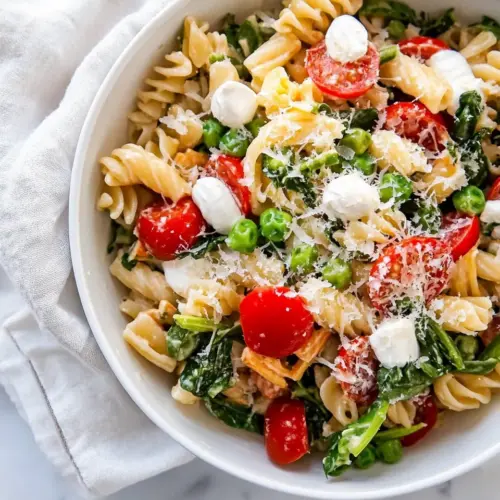
Instant Pot Pasta Primavera
Instant Pot Pasta Primavera is a bright, creamy, and easy weeknight dinner that combines tender seasonal vegetables, protein rich chickpea penne, and a lemony Parmesan finish. The dish delivers vibrant color, satisfying texture, and pantry friendly convenience, making it perfect for spring meals when fresh produce shines. Try it for a quick family supper that feels special without fuss.
Equipment
- Instant Pot
- Colander
- Mixing plate
Ingredients
- 2 tablespoons olive oil Sauté in the pot at the start to release rich flavor and provide a silky cooking fat; helps prevent sticking and carries aromatics throughout the dish when heated.
- 2 cups broccoli cut into medium sized florets Steam until tender-crisp to add vibrant color, a hearty texture, and a mild, slightly bitter flavor that complements the pasta; florets hold up well under pressure and absorb sauce.
- 1 cup carrot peeled and sliced Simmer briefly or add with firmer vegetables to contribute natural sweetness, crunch, and a pleasant orange hue; sliced carrots also add fiber and visual contrast.
- 3/4 cup onion roughly chopped Sweat until translucent to build a savory base and sweet complexity; roughly chopping allows pieces to soften quickly and meld into the sauce.
- 1/2 large zucchini sliced into half-moons Sauté or add near the end to provide tender, slightly sweet flesh and a pleasant bite; half-moon slices cook evenly and integrate with other vegetables.
- 1/2 large red pepper roughly chopped Sear or pressure-cook to introduce sweet, fruity notes and a tender texture; roughly chopping creates rustic pieces that distribute flavor throughout the dish.
- 2 teaspoons garlic minced Crush or mince to release pungent, aromatic oils that brighten the overall flavor; small amounts infuse the dish without overpowering other ingredients.
- 4 teaspoons Italian seasoning Sprinkle to season the vegetables and pasta with a balanced blend of herbs and spices; Italian seasoning layers savory, earthy notes and complements cheese.
- 8 ounces chickpea penne pasta Cook under pressure to serve as the wheat-free pasta base, providing a firm bite and protein-rich, nutty flavor; chickpea penne holds shape and soaks up sauce effectively.
- 4 cups water Pour to create the cooking liquid that hydrates pasta and vegetables; measured water ensures correct pressure and timing for even cooking.
- 1 teaspoon ea salt Dissolve to enhance overall taste and balance flavors; measured salt brings out natural sweetness in vegetables and deepens savory notes.
- 1/2 – 1 lemon juiced (to taste) Squeeze to add bright acidity and lift heavy or creamy elements; adjusting between amounts lets you tailor freshness and tang to taste.
- 2/3 cup Parmesan cheese grated and tightly packed (2 ounces) Grate finely to add umami-rich, salty, and nutty depth while thickening the sauce slightly; tightly packed measurement ensures consistent cheesiness.
- 2/3 cup cherry tomatoes halved Toss in near the end to introduce bursts of sweet, juicy flavor and a pop of color; halved tomatoes soften slightly while retaining shape and freshness.
- Chopped fresh basil for garnish Garnish over the finished dish to provide a fresh, peppery herb note and aromatic lift; chopped basil adds visual appeal and brightens flavors.
Instructions
- Heat the olive oil on sauté mode in your Instant Pot. Add the broccoli, carrot, onion, zucchini, and bell pepper, then cook, covering partially with the lid. Don't lock the lid closed, or your Instant Pot will beep at you! Stir the pot occasionally, cooking until the vegetables just begin to tenderize, about 10-12 minutes. Add in the garlic and Italian seasoning, then cook for another 2-3 minutes, until the garlic is golden. Transfer the veggies to a plate and cover with foil to keep warm.: The kitchen will fill with a warm, fruity scent as the olive oil warms, and you may hear a gentle shimmer as it reaches the right temperature. This sizzling sound indicates the pan is ready to transform raw vegetables into sweeter, more complex flavors. It matters because oil helps conduct heat and promotes even browning, which deepens the dish's taste. A common mistake is overheating the oil until it smokes, which burns flavor, so keep the heat medium and watch for a gentle ripple across the oil surface.
- Put the chickpea pasta in the Instant Pot and cover with the water. Cover (make sure the lid is set to sealing) and cook on manual high pressure for 3 minutes. Let steam release naturally.: As the vegetables hit the hot oil you'll hear a lively sizzle and see moisture bead and then evaporate, concentrating flavor. Partially covering the pot traps some steam so vegetables soften while still allowing browning along edges. This hybrid approach balances tenderness with pleasant chew, which is essential for a primavera. Avoid crowding the pot which causes steaming rather than sautéing; if the vegetables release too much water, cook in batches for the best texture.
- Reserve 1/2 cup of pasta water and strain the pasta in a colander, rinsing with cold water. Add the pasta back to the Instant Pot. Stir in the reserved pasta water, salt, and lemon juice, then stir until combined.: Leaving the lid unlocked prevents pressure from building during the sauté stage, and you will notice a clearer, brighter vegetable aroma rather than the heavier smell that pressure can create. This step matters because sautéing under steam gives a different caramelization than pressure cooking. A frequent slip is accidentally sealing the lid and starting a pressure cycle, which will over soften the vegetables and change the timing of the recipe.
- Add in the cooked vegetables, Parmesan cheese, and cherry tomatoes. Stir until the cheese is melted. Garnish with chopped fresh basil if desired.: You will hear sporadic gentle sizzling and see the vegetables change color, onion turning translucent and edges starting to brown. The texture should be tender but still have snap, signaling that they will hold up when combined with the pasta. This timing lets flavors concentrate without collapsing the veg structure. One mistake to avoid is walking away; unattended vegetables can go from perfectly tender to mushy quickly.
- Add in the garlic and Italian seasoning then cook for another 2 to 3 minutes until the garlic is golden: The air will fill with nutty, roasted garlic notes and herbal perfume as the seasoning blooms in warm oil. Blooming spices in oil releases essential oils and elevates the whole dish, giving a rounded background flavor. Watch garlic closely because it goes from golden and fragrant to bitter in seconds, so reduce heat at the first sign of color and remove promptly if it darkens too much.
- Transfer the veggies to a plate and cover with foil to keep warm: Moving the vegetables off heat preserves their texture and prevents overcooking while you prepare the pasta, and the foil traps just enough heat to keep them pleasant and aromatic. This resting step keeps the flavors intact until recombining, which is crucial for balanced temperature and texture in the finished plate. A common oversight is leaving them uncovered which causes them to cool and lose some of their aroma and moisture.
- Put the chickpea pasta in the Instant Pot and cover with the water: When the dried chickpea penne meets the warm water you will see a quick shimmer on the surface and the pasta begin to hydrate. Even coverage with water ensures consistent cooking and prevents sticking. The even submersion matters because pressure cooking depends on steam and liquid contact; if pieces stick above the water line they will remain undercooked. Stir gently to minimize clumping before sealing.
- Cover make sure the lid is set to sealing and cook on manual high pressure for 3 minutes: As pressure builds you may hear steady humming and notice the pot becoming steam tight, which cooks the pasta rapidly and efficiently. Short high pressure preserves the pasta's bite and prevents it from turning mushy. Timing here is delicate; overcooking under pressure is a common mistake, so set the timer precisely and resist increasing the time to compensate for perceived doneness.
- Let steam release naturally: Letting the pressure drop on its own avoids sudden agitation that can fracture the pasta and release too much starchy foam into the pot. You'll feel the pot relax and steam will escape slowly, leaving the pasta intact and with a tender yet firm texture. Quick release can make pasta sticky or cause splattering, so be patient and let nature take its course for a cleaner finish.
- Reserve 1/2 cup of pasta water and strain the pasta in a colander rinsing with cold water: The reserved hot starchy water is liquid gold, with a silky mouthfeel that helps create cohesion without extra fat. Rinsing stops the cooking and cools the pasta slightly for easier handling. This rinse step prevents the pasta from continuing to cook in residual heat, which would risk softness beyond desired level. Avoid discarding the pasta water, because it is key for adjusting the sauce texture.
- Add the pasta back to the Instant Pot: Returning the chickpea penne to the pot gives you a single vessel to combine flavors and warm the pasta. The slight warmth of the pot helps the reserved water and cheese emulsify into a creamy coating. Make sure the pot is off heat to avoid overheating the cheese which could make it grainy; gentle warmth is sufficient for melting.
- Stir in the reserved pasta water salt and lemon juice then stir until combined: As you fold in the reserved liquid the pasta will develop a glossy sheen, and the lemon's acidity will brighten the whole bowl. Salt heightens natural flavors and the water emulsifies with the starches to create a light sauce. A common mistake is adding too much lemon too soon; start small and taste because acidity can quickly overpower the balance.
- Add in the cooked vegetables Parmesan cheese and cherry tomatoes: The temperature of the pasta and reserved water should be warm enough to melt the Parmesan cheese into a creamy film that clings to pasta and vegetables, while the halved cherry tomatoes release small bursts of sweet tang. This final melding creates layers of texture, from tender pasta to slightly crisp vegetables and juicy tomato pops. Avoid combining when the pot is boiling hot, as extreme heat can separate the cheese rather than melt it smoothly.
- Stir until the cheese is melted Garnish with chopped fresh basil if desired: Gentle stirring produces a cohesive, silky finish while the aroma of basil lifts the bowl. Visual cues include a glossy surface and strings of melted cheese binding pieces together. Over stirring can bruise delicate vegetables, so fold just until combined. If you skip the basil, you miss a fragrant herbal counterpoint, so add it last for maximum fragrance.
Notes
- Choose your pasta carefully — Use chickpea penne as listed for extra protein and a firmer bite, and be mindful that different brands vary in cooking time, so adjust pressure time if necessary.
- Bloom herbs in oil — Adding the Italian seasoning to hot oil with garlic releases aromatic oils that deepen the flavor profile and make the seasoning feel integrated instead of surface level.
- Control vegetable texture — Sauté until vegetables reach your preferred tenderness before pressure cooking the pasta, because that two step approach preserves contrast between pasta and veg.
- Use reserved pasta water — The starchy water helps the Parmesan cheese emulsify into a silky coating without adding cream or butter, and saves the dish from dryness.
- Adjust acidity with care — Start with the lower lemon amount then taste, because a little acid brightens the dish but too much will mask delicate vegetable flavors.
- Add tomatoes last — The cherry tomatoes should be folded in at the end so they keep their fresh burst and do not dissolve into the sauce.