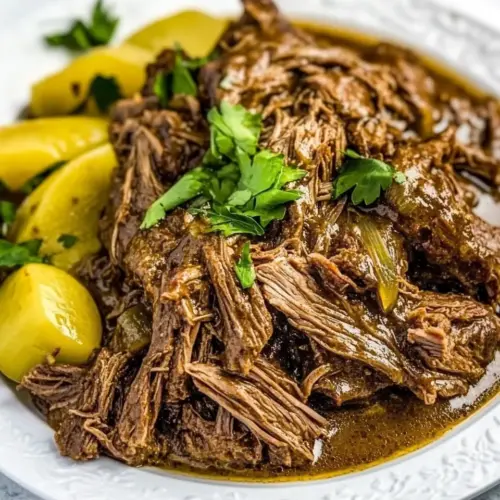
Instant Pot Mississippi Pot Roast
Instant Pot Mississippi Pot Roast brings tender, shreddable beef coated in a creamy, tangy sauce with bright pepperoncini notes. This easy weeknight dinner delivers rich, savory comfort with minimal hands on time, making it perfect for family meals or casual entertaining. Make it when you want big flavor and a simple prep routine, and everyone will ask for the recipe again.
Equipment
- Instant Pot
Ingredients
- 2 tablespoons vegetable oil or olive oil Heat for searing and sautéing to develop a deep brown crust on the roast, contributing rich Maillard flavors; choose vegetable or olive oil based on smoke point and flavor preference. Maintain medium-high heat in the Instant Pot before adding meat to prevent sticking and improve browning, which enhances overall sauce complexity.
- 4 pound chuck roast trimmed of excess fat and cut into 6 pieces Provide substantial beefy body and texture by using a 4 pound chuck roast trimmed and cut into 6 pieces so it fits and cooks evenly in the Instant Pot. Chuck yields connective tissue that breaks down during pressure cooking into tender, flavorful shreds that enrich the cooking liquid.
- 8 -10 jarred pepperoncini peppers plus 1/4 cup liquid from jar Add tangy, mildly spicy acidity and a briny component with 8–10 jarred pepperoncini peppers plus 1/4 cup of their liquid, which balances the richness of the beef. Pepperoncini contribute brightness and subtle heat while the jar liquid amplifies the brine-forward flavor throughout the sauce.
- 3/4 cup beef broth low sodium Build a savory cooking liquid with 3/4 cup low-sodium beef broth to deglaze the pot and infuse the roast with concentrated beef flavor without overpowering saltiness. The broth also supplies necessary liquid for pressure cooking and helps create a flavorful base for the finishing gravy.
- 1 1-ounce ranch seasoning packet Provide a creamy, herby seasoning boost by incorporating one 1-ounce ranch seasoning packet to introduce dried buttermilk, herbs, and garlic notes. Ranch mix layers additional savory flavors and umami that complement the meat and meld with the pepperoncini tang.
- 1 1-ounce dry onion soup mix packet Impart concentrated savory onion and beefy seasoning by adding one 1-ounce dry onion soup mix packet, which contributes salt, dehydrated onion, and umami-rich components. This mix enhances the roast’s depth and helps create a robust gravy when combined with cooking liquids.
- 2 tablespoons butter Enrich the finished dish with 2 tablespoons of butter to add silkiness, sheen, and a rounded mouthfeel to the sauce after pressure cooking. Stirring butter into the hot juices at the end mellows acidity and provides a luscious finish.
- 2 tablespoons cornstarch Thicken the braising liquid into a glossy gravy by using 2 tablespoons of cornstarch as a slurry ingredient, which gelatinizes when heated and creates a smooth, clingy sauce. Mix cornstarch with water before adding to the hot liquid to prevent lumps and achieve consistent thickening.
- 2 tablespoons water Create a smooth cornstarch slurry by combining 2 tablespoons of water with the cornstarch, enabling even dispersion into the hot cooking juices. Add gradually to simmering liquid so the slurry activates and thickens the gravy without forming clumps.
Instructions
- Heat oil in the instant pot using the SAUTE setting.: The pan should shimmer and smell faintly warm when the oil is ready, which signals it will brown the meat instead of steaming it. I watch for a slight ripple across the surface and a soft sizzle when a small scrap of meat hits the bottom. This searing step builds caramelized flavors that become the backbone of the sauce. A common mistake is overheating the pot, causing smoke and bitter burned bits, so keep the heat steady and moderate.
- Add the chuck roast cubes, and sear them from all sides working in batches if needed.: You will hear a pronounced sizzle and see the surface develop a deep brown crust, not gray. That crust locks in flavor and creates fond on the pot bottom, which later dissolves into the sauce. Searing in batches prevents crowding, which would steam the meat instead of browning it, and gives you even color. Avoid moving the pieces too often, or they will not develop that desirable crust.
- Remove the beef onto a plate, and set aside.: The plate will collect juices and let you keep the seared pieces warm while you finish the rest. This pause lets you clear the pot for deglazing and prevents overcooking during subsequent steps. A mistake here is leaving seared meat in the hot pot, which can continue cooking and become dry before pressure time, so transfer promptly.
- Deglaze the pot by adding the liquid of the pepperoncini peppers and the beef broth, scraping off any bits stuck to the bottom of the pot.: When the liquid hits the hot surface, it will steam and lift those flavorful brown bits, becoming a dark, aromatic base. Use a wooden spoon to scrape and dissolve the fond, because those dissolved sugars and browned bits are pure flavor. If you skip scraping, the Instant Pot may detect a burn and interrupt cooking, so be thorough here.
- Add the beef back to the pot, sprinkle with ranch seasoning, onion soup mix, and add the pepperoncini peppers. Give everything a good stir.: The air will fill with savory, herbaceous notes as the dry mixes and pepperoncini integrate. Stirring distributes seasonings and peppers so every piece of meat will absorb flavor during pressure. A common error is dumping seasonings in one spot, which can lead to uneven seasoning, so ensure even coverage.
- Arrange the butter over the beef (cut the butter into 2-3 pieces).: As the butter melts under steam, it rounds flavors and gives the sauce a silky texture. Place it in small pieces so it melts evenly rather than pooling in one hot spot. Skipping this step yields a slightly less glossy sauce, so I prefer to include the butter for mouthfeel.
- Secure the lid and set the vent to SEALING. Select the PRESSURE COOK/MANUAL setting and set the cooking time for 60 minutes at high pressure. The Instant Pot will take around 7-8 minutes to come to pressure and start cooking. When the cooking program ends, do a natural release for 15 minutes then release the rest of the steam.: You will hear a steady hum as pressure builds, and once cooking begins, the pot becomes quiet. The natural release allows juices to redistribute and keeps the meat tender. Forcing a quick release too early can tighten fibers, producing tougher shreds, so I always provide that natural release window.
- Carefully remove the lid, and take the beef out to shred. Shred with 2 forks.: Steam will billow when you lift the lid, and the meat should pull apart with little resistance into moist strands. Use two forks to tease the roast into shreds, feeling for soft, tender fibers rather than resistance. If shredding meets resistance, return the meat to the pot for a few more minutes under a warm lid, because undercooked connective tissue needs time to break down.
- Meanwhile thicken the sauce. Mix the cornstarch with a little liquid from the instant pot, then stir it in the sauce. Stir until the sauce has thickened, add the shredded beef back in and stir so it’s coated in the sauce.: The moment you add the cold cornstarch slurry to hot liquid, you will notice the texture change from watery to glossy within seconds. Stir continuously to prevent lumps, and simmer until the sauce clings to the back of a spoon. If you add cornstarch without making a slurry, it will clump and leave gritty patches, so always dissolve it first in cold water .
- Serve with creamy mashed potatoes, and extra sauce on the side.: The final plate should present glistening, saucy shreds resting over a bed of creamy starch so each forkful balances savory meat and silky potatoes. I like offering extra sauce in a small pitcher so diners can add more as they wish. Avoid serving immediately on a cold plate, as chilled plating can dull the flavors and make the sauce congeal too quickly.
Notes
- Use room temperature beef: Allowing the chuck roast pieces to sit at room temperature for about 20 minutes helps them brown more evenly and prevents the pot from cooling down too much during searing.
- Pat meat dry before searing: Removing excess surface moisture creates better browning and less steaming, which translates to richer fond and deeper sauce flavor.
- Measure the pepperoncini liquid: Use the specified 1 quarter cup of jar liquid for predictable acidity, and reserve extra peppers if you want to adjust tang after cooking.
- Adjust salt at the end: Because the seasoning packets and broth can contain sodium, taste the sauce after cooking and season carefully to avoid over salting.
- Keep the shredded beef moist: Stir the shredded meat back into the sauce right before serving so it soaks up flavor and does not dry out under a heat lamp or in a warm oven.