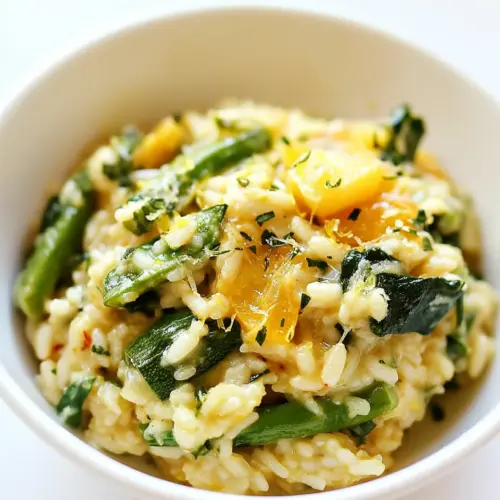
Instant Pot Lemon Vegetable Risotto
Instant Pot Lemon Vegetable Risotto is a creamy, bright, and easy weeknight dinner that balances velvety arborio rice with roasted spring vegetables and fresh lemon. The Instant Pot speeds up traditional risotto while keeping a luxuriously silky texture, and roasted asparagus and broccoli add concentrated flavor. Make it when you want a comforting yet fresh vegetarian meal that impresses with minimal fuss.
Equipment
- Instant Pot
- Oven
- Baking Sheet
- Parchment Paper
Ingredients
- 1 bunch asparagus sliced thin Sliced thin to provide tender, slightly crunchy green stalks that add freshness and texture to the risotto; toss in near the end of cooking to preserve bright color and snap. Helps balance creamy rice with a vegetal bite and pairs well with lemon and butter for a spring profile.
- 1 cup broccoli florets Cut into florets to contribute bite-sized, mildly sweet pieces that lend color and a pleasant chew; steam briefly or add during pressure release so they stay vibrant. Adds nutritional heft and a subtle earthy flavor that complements the arborio and broth.
- 1 cup fresh peas or snap peas Added fresh or snap style to bring a crisp, sweet pop and extra green color; toss in during the final cooking moments to retain sweetness and crunch. Enhances freshness and contrasts the creamy texture of the risotto while providing bright flavor.
- 2 tablespoons and 1 teaspoon extra-virgin olive oil Measured as 2 tablespoons plus 1 teaspoon to sauté aromatics and coat rice for toasting; contributes fruity, slightly peppery flavor and helps develop the base of the risotto. Use at the start for vegetables and again as needed to finish for gloss and mouthfeel.
- 1 onion diced Diced to provide a savory, aromatic foundation when softened; cook until translucent to release natural sugars and deepen the risotto's flavor. Works with leek and garlic to build a layered savory base that the rice absorbs.
- 1 cup leek diced Diced to add a mild, sweet onion-like complexity without overpowering; sauté until softened to contribute subtle depth and a slightly floral note. Complements the onion and herbs while keeping the overall flavor delicate.
- 2 garlic cloves minced Minced to impart pungent, aromatic depth and savory warmth; briefly sauté to mellow raw sharpness and release essential oils. Enhances overall savory profile and perfumes the dish without dominating the lemon and herbs.
- 1 teaspoon fresh thyme Measured to introduce a subtle, earthy herbal note that brightens the dish; sprinkle in with aromatics and adjust after tasting. Adds complexity and pairs well with lemon, chives, and butter to round flavors.
- 1 -1/2 cups arborio rice Measured as 1-1/2 cups to serve as the starchy core that creates creamy risotto as it releases starch during cooking; toast briefly before adding broth to enhance nutty flavor. Provides body and a luxurious, slightly chewy bite when cooked properly.
- 4 cups vegetable broth Used to deglaze and cook the rice, supplying savory liquid and seasoning; add gradually or as specified for pressure cooking to ensure even absorption. Contributes salt-forward umami backbone and controls final risotto consistency.
- 4 tablespoons butter Measured to enrich the risotto with silky, creamy richness and mouth-coating fat; stir in near the end to finish and build gloss. Adds luxurious texture and helps meld lemon and vegetable flavors into a cohesive dish.
- 1 cup spinach Added to introduce tender leafy greens and a mild, slightly sweet earthiness; fold in at the end to wilt gently without losing color. Boosts nutrient density and provides a fresh contrast to the creamy rice.
- 2 tablespoons lemon juice more to taste Measured to add bright acidity that balances richness and lifts flavors; squeeze in during finishing and adjust to taste for brightness. Cuts through butteriness and enhances the natural sweetness of vegetables and rice.
- 1/2 bunch chives sliced thin Sliced thin to provide delicate oniony-sweet herbaceousness and a fresh finish when sprinkled on top; add just before serving for texture and aroma. Offers mild allium flavor that enhances lemon and butter notes.
- 1/2 teaspoon garlic powder Measured to season with a concentrated garlic flavor even when fresh garlic is used; sprinkle as part of seasoning mix to intensify savory notes. Adds ease of use and consistent garlicky undertone without extra moisture.
- 1/4 teaspoon red pepper flakes more to taste Measured to introduce gentle heat and a touch of warmth; add to taste to control spiciness and leave room for adjustments. Provides a subtle background kick that enhances other flavors without overpowering the dish.
- 1 teaspoon lemon zest Measured to deliver concentrated citrus aroma and intense lemon flavor when added to finish; zest in small amounts to brighten the risotto and complement lemon juice. Elevates fragrance and adds a textured citrus note to each bite.
Instructions
- Pre-heat oven to 400 °F. Line a baking sheet with parchment paper. Add asparagus, broccoli, and peas to the baking sheet. Coat with 1 teaspoon extra-virgin olive oil, salt and pepper, toss well. Place in the oven for 15-20 minutes or until broccoli is fork tender. Once done, remove from oven and set aside.: The oven will perfume the air with roasted vegetable aroma, a combination of sweet caramelization and green, vegetal notes, and you should hear tiny pops and see browned edges forming on the broccoli while the asparagus softens but keeps some bite. This step concentrates flavors and gives tiny crisped bits that contrast the risotto, so don’t skip the roast even if you are tempted to add raw vegetables; they will release too much water and dilute the texture. A common mistake is crowding the pan, which traps steam and prevents browning, so spread the pieces in a single layer for the best results.
- In an Instant Pot or pressure cooker, press SAUTÉ. Add remaining extra-virgin olive oil and let the pot heat up. Once hot, add in onions, leeks and garlic. Let cook for 2-3 minutes or until onions start to turn translucent.: As the pot heats, the oil will shimmer and release a fragrant base as the onion , leek , and garlic soften, giving off a gentle sizzle and sweet aroma. This pre-sauté develops savory complexity that the rice will absorb, improving the final depth of flavor. Avoid browning too deeply here, since burnt bits turn bitter; the aim is to release sweetness and aromatics. If the aromatics smell sharp or the garlic starts to darken quickly, lower the heat and stir to prevent burning.
- Add rice and stir for 1-2 minutes to toast.: Toasting the arborio rice briefly will produce a nutty scent and slightly translucent edges, which helps the grains hold texture and enhances overall flavor. You will hear gentle rubbing as the grains move and see them glisten with a thin film of oil. This short toast encourages even absorption of the vegetable broth later, preventing a gluey finish. A frequent error is skipping this because of time, but skipping it can leave the risotto less aromatic and the grains more prone to uneven cooking.
- Add vegetable stock, butter and thyme. Stir well.: When you add the warm or room temperature vegetable broth , you will see the pot take on a starchy sheen as the rice begins to hydrate. Melted butter will create a glossy surface while the thyme lifts the aroma with subtle herbal notes. Stirring briefly distributes flavors and prevents sticking. Be mindful to use a flavorful broth, because a weak stock leads to flat risotto; taste your broth beforehand if possible.
- Turn the pressure cooker or instant pot off. Secure lid in place, turn valve to sealing, press manual, and modify time to 7 minutes.: You will hear the machine click and the valve engage, followed by a building hum as pressure rises, which cooks the rice evenly and quickly. This pressurized environment extracts starches from the arborio rice to build creaminess without continuous stirring. If your cooker takes very long to come to pressure, consider that this adds to total cook time, so plan accordingly. A common oversight is forgetting to set the valve to sealing, which prevents pressure from building and leaves the rice undercooked.
- Once the time has lapsed, and the pressure cooker is done, turn the valve to venting to quickly release the pressure. Open the lid and stir well.: Releasing pressure will hiss and steam, and when you open the lid the room fills with comforting, savory fragrance. Stirring now helps the rice settle and distribute the starchy liquid into a cohesive, creamy texture. Be careful of hot steam when venting, and avoid a slow natural release here since it can overcook the rice if you prefer a slightly toothsome center. A mistake people make is rushing to stir without protecting hands from the steam, so give the valve a careful nudge with a utensil if needed.
- Turn the setting to SAUTE. Add spinach, chives, roasted veggies, spices and lemon juice to the rice. Stir for 1-2 minutes or until the spinach has wilted. Taste and adjust seasoning. Top with lemon zest and additional chives. Serve warm.: As you return to SAUTE , the mixture will sizzle softly while the spinach quickly collapses into the rice, creating ribbons of green. The roasted vegetables will reheat and release their concentrated aroma, and the lemon juice will brighten the entire pot with fresh acidity. Stirring for a minute helps the flavors marry and the butter to emulsify into a silky finish. Watch the salt balance because the vegetable broth and butter add sodium, and a common mistake is over-salting at this stage; always taste before final seasoning.
Notes
- Roast vegetables on a hot sheet: Use a preheated oven and spread the asparagus, broccoli, and peas in one layer so they brown rather than steam, which deepens their sweetness and provides textural contrast in the final dish.
- Mind the aromatics: Soften the diced onion, leek, and minced garlic gently in oil until translucent to build a sweet, savory base without introducing bitterness from overcooked garlic.
- Toast the rice briefly: Stir the arborio rice for a minute or two so it becomes slightly translucent on the edges; this step improves mouthfeel and helps achieve even starch release when pressure cooked.
- Use warm broth if possible: Adding warm vegetable broth shortens the time the pot needs to come to pressure and promotes even cooking, which helps maintain that ideal al dente center in the grains.
- Finish with cold butter and fresh lemon: Stir in the butter and then add fresh lemon juice and zest at the end to create a glossy, balanced finish so the citrus lifts but does not curdle the texture.