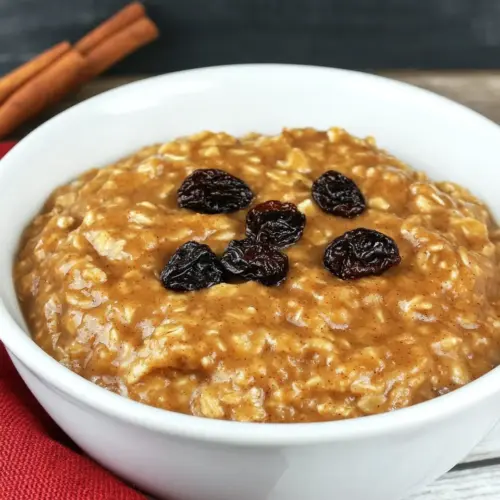
Instant Pot Cinnamon Raisin Steel Cut Oatmeal
Instant Pot Cinnamon Raisin Steel Cut Oatmeal is a creamy, slightly chewy breakfast that combines nutty steel cut oats with plump raisins and warming cinnamon. Quick enough for busy mornings yet comforting enough for slow weekends, it’s an easy make ahead option that feeds a family or a hungry individual. Try it for an easy weeknight breakfast that still feels special.
Equipment
- Instant Pot
- Wooden Spoon
- Measuring Cups
Ingredients
- 2 tablespoon unsalted butter Melted to provide a rich, silky mouthfeel and to sauté the oats briefly for nuttier flavor; contributes a subtle savory balance to the sweet elements and helps prevent sticking in the Instant Pot.
- 1 1/2 cups steel-cut oats Toasted to add hearty texture and a chewy bite that forms the base of the dish; steel-cut oats absorb liquid slowly, giving a creamy yet substantial porridge when pressure-cooked.
- 1 tablespoon sugar Added to contribute gentle sweetness and to help caramelize slightly during cooking; sugar enhances the overall flavor profile and balances the warm spices.
- 1/2 teaspoon Kosher salt Included to season and enhance flavors by balancing sweetness and rounding out the taste; kosher salt also helps bring forward the natural oat and raisin notes.
- 2 cups water Poured in as the primary cooking liquid to hydrate and soften the oats; water controls consistency and ensures proper pressure cooking in the Instant Pot.
- 1 1/2 cups milk Stirred in for creaminess and richness, lending a smooth texture and deeper flavor; milk creates a silkier porridge and contributes dairy fat for body.
- 3/4 cup raisins Folded in to add bursts of concentrated sweetness and chewy texture; raisins plump during cooking and complement the cinnamon and brown sugar.
- 1 1/2 teaspoon cinnamon ground Sprinkled to infuse warm aromatic flavor throughout the oatmeal; ground cinnamon ties together the sweetness and enhances perceived sweetness without extra sugar.
- 4 teaspoon brown sugar Sprinkled on for a deeper molasses-like sweetness and slight chewiness when stirred in; brown sugar adds complexity and enhances the caramel notes in the finished porridge.
Instructions
- Select SAUTE on the Instant Pot and adjust to More for high heat.: The pot will hiss and the metal insert will warm quickly, sending out a faint metallic warmth that tells you the surface is hot enough. This step preps the pot to toast the oats slightly, which deepens their flavor. If the pot does not heat, check that it is properly seated and that the lid is open; a cold insert means the sauté setting may not engage properly. You'll want to see a thin shimmer on the surface when the insert is ready.
- Add the butter and stir until melted.: You will hear a soft sizzle as the unsalted butter hits the hot base and see it liquefy into a glossy pool, releasing a nutty scent. This melted butter coats the grains and prevents sticking while adding richness. Avoid letting it brown deeply, as that can introduce a toasted bitterness; aim for a steady sheen and gentle bubbling around the edges.
- Add the oats and stir to coat them with butter, stirring frequently, about 4 minutes.: When the steel cut oats hit the butter, they will smell toasty and release a warm, rice like aroma. Stirring keeps them toasting evenly, and you'll notice the oats take on a slightly darker hue and a nuttier fragrance. The frequent stirring prevents scorching; if you stop stirring, you risk hot spots that burn the oats and create off flavors.
- Add the sugar, salt, water, milk, raisins and cinnamon. Stir until combined.: As you pour in the water and milk , the kitchen will fill with a sweet, spiced steam. The raisins sink then bob up as they begin to hydrate, and the cinnamon lifts the aroma into cozy territory. Stirring distributes the ingredients so everything cooks uniformly. Skipping this mix can lead to pockets of dry oats or uneven seasoning, so make sure you fully combine before sealing the pot.
- Secure the lid and set the Pressure Release to SEALING. Press the CANCEL and then select PORRIDGE or MANUAL or PRESSURE COOK (Any of these settings will work). Adjust the pressure to High and set the time to 10 minutes.: You will hear the valve click as it moves to sealing, and the display will show the chosen program. The pot will build pressure and then cook steadily, producing a gentle, humming sound. The high pressure forces liquid into the oats, creating creaminess while preserving structure. A common mistake is not setting the valve to sealing, which prevents pressure buildup and yields undercooked oats, so double check the valve position.
- Allow the pressure to release naturally for 5 minutes (don't do anything), then Quick Release any remaining pressure. Carefully remove the lid.: During natural release you will notice the pot settling, and steam will ease off slowly. This short natural release lets the oats finish absorbing liquid gently, improving texture. When you Quick Release, stand back briefly to avoid a hot steam burst. Opening the lid too early can splash hot porridge and disrupt the texture, so take care and lift the lid away from you.
- Stir the oatmeal with a large wooden spoon.: As you stir, the porridge will sigh and thicken, giving off a cloud of sweet steam with warm spice notes. A wooden spoon is gentle on the grain structure and helps you feel the final consistency, catching any undercooked bits at the bottom. If the mix seems too stiff, a splash of extra milk will loosen it; conversely, over stirring aggressively can make it glue like, so stir just enough to combine and check texture.
- Transfer to bowls and sprinkle on the brown sugar and add extra milk, if desired.: Lifting spoonfuls into warm bowls releases a comforting aroma and reveals pockets of plumped raisins . The brown sugar melts into warm crevices, offering caramel like notes, while an extra splash of milk brightens the mouthfeel. A typical oversight is adding cold milk straight from the fridge to hot porridge, which can cool the bowl too quickly; warm the milk slightly if you prefer a uniform temperature.
- Serve at once and enjoy!: The first spoonful should be warm, with a mix of creamy and chewy textures and a gentle cinnamon perfume. Serve promptly to enjoy the intended contrast, because as it sits the porridge firms up. If you need to hold it, keep the pot on the warm setting and stir occasionally to maintain creaminess, but beware that prolonged holding will change texture.
Notes
- Swap the sweetener approach Try mixing the brown sugar into individual bowls instead of stirring it in during cooking so each person can control sweetness.
- Milk richness options Use whole milk for a creamier texture, or lower fat milk to make the porridge lighter while keeping the same cooking times.
- Raisin distribution trick If you want evenly plumped raisins, soak them briefly in warm water before adding them, then add that soaking liquid to the pot for extra flavor.
- Texture control For a chewier bite, reduce natural release time slightly, for creamier oats, let the pot sit a bit longer before quick release.
- Extra warming spice Increase the cinnamon by a small fraction if you love warm spice, but add gradually to avoid overpowering the oats.