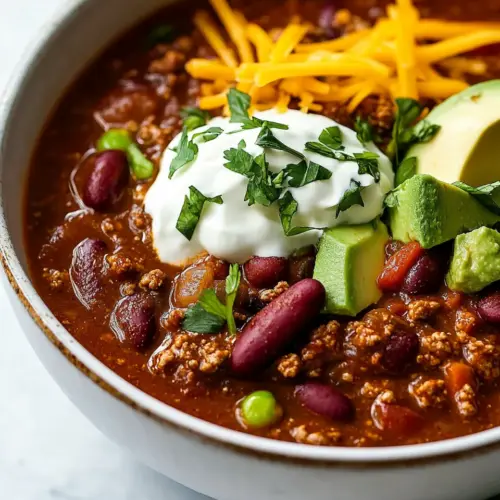
Instant Pot Chili
Instant Pot Chili is a cozy, robust weeknight classic that combines savory ground beef, hearty red kidney beans, and a tomato forward sauce for an easy weeknight dinner. The pressure cooking deepens spices like chili powder and smoked paprika into a rich, satisfying bowl that reheats beautifully, perfect for meal prep or feeding a crowd.
Equipment
- Instant Pot
- Wooden Spoon
Ingredients
- 1/2 medium chopped onion Sautéed until translucent and sweet to build the aromatic base for the chili, chopped onion adds depth and subtle natural sweetness. Cook slowly to soften its texture and release sugars that balance the tomato acidity and spices.
- 1 tablespoon olive oil Heated to brown meat and soften aromatics, olive oil provides a medium for sautéing and contributes a mild fruity fat. Use sparingly to prevent greasiness while helping spices bloom and flavors meld.
- 2 pounds lean ground beef Browned thoroughly to create rich savory character and hearty texture, lean ground beef supplies the protein backbone and meaty umami. Drain excess fat if necessary to keep the chili from becoming oily while retaining robust flavor.
- 3 cloves minced garlic Minced and added early to fragrant sauté, garlic contributes pungent, savory notes that deepen the chili’s flavor profile. Brief cooking prevents bitterness while releasing aromatic oils that complement the onions and spices.
- 1 (28-ounce) can diced tomatoes use fire roasted ones for more flavor Poured in with juices to supply body, acidity, and tomato flavor, diced tomatoes add texture and brightness to the chili; fire-roasted varieties contribute smoky depth. Their liquid helps create the sauce and balances the richness of the meat and spices.
- 1 (14-ounce) can tomato sauce Stirred in to thicken and enrich the sauce, tomato sauce offers a smooth concentrated tomato backbone that binds ingredients. It enhances mouthfeel and intensifies tomato presence without adding large chunks.
- 1/2 cup beef broth Poured in to adjust consistency and enhance savory taste, beef broth adds umami and dilutes intensity to achieve desired chili thickness. It also contributes layered meaty flavor that complements the ground beef.
- 2 (14-ounce) cans red kidney beans drained Drained and added for hearty bite and protein, red kidney beans provide creamy texture and absorb surrounding flavors. Their starchiness helps thicken the chili and offers a satisfying contrast to the meat.
- 3 tablespoons chili powder Sprinkled generously to define the chili’s signature warmth and complexity, chili powder blends heat and earthy notes that anchor the dish. Adjust quantity for desired spice level and to harmonize with other seasonings.
- 1 tablespoon smoked paprika Measured to impart smoky depth and warm color, smoked paprika enhances overall flavor with subtle sweetness and a lingering smoke. Use it to reinforce the charred or fire-roasted tomato character without adding heat.
- 1 teaspoon ground cumin Ground to add warm, slightly citrusy earthiness, cumin contributes a foundational savory note common to chili recipes. Toast lightly if desired to amplify its aroma before combining with other spices.
- 1 teaspoon cayenne pepper optional Added optionally to introduce pronounced heat, cayenne pepper intensifies spiciness and sharpness in the chili. Use cautiously to avoid overpowering other flavors, adjusting to personal heat tolerance.
- salt and pepper to taste Seasoned to balance and amplify flavors, salt and pepper are used to heighten taste and adjust seasoning throughout cooking. Taste and add gradually to avoid over-salting, finishing at the end for best control.
- Garnish: avocado, scallions, sour cream, Tex-Mex cheese, cilantro, tortilla strips, etc. optional Used as optional finishing touches to add freshness, creaminess, crunch, and bright herbaceous notes, garnishes like avocado, scallions, sour cream, Tex-Mex cheese, cilantro, and tortilla strips provide texture contrast. Add just before serving to preserve their color and individual textures.
Instructions
- Add 1/2 medium chopped onion and 1 tablespoon olive oil to your Instant Pot and press the sauté button. Cook for 4-5 minutes.: You will hear a gentle sizzle as the olive oil warms and the onion hits the pan, releasing a sweet floral aroma that becomes richer as the pieces soften and edges turn pale gold. This softening is important because raw onion can taste sharp after pressure cooking, so giving it this head start mellows its flavor. A common mistake is turning the heat too high and letting the onion char quickly, which introduces bitterness. Keep the sauté setting steady and stir occasionally so the pieces cook evenly and develop a translucent sheen.
- Stir in 2 pounds lean ground beef and cook, stirring often and breaking it up with your spoon, until browned.: As the ground beef hits the hot surface you will notice an immediate change in sound, with a more vigorous sizzle and little pops as moisture escapes. Browning creates those savory Maillard notes that make the chili feel meaty and robust. Use a sturdy spoon to break the meat into small crumbles, and let it sit briefly between stirs so contact with the hot surface encourages browning rather than steaming. A common error is overcrowding the pan, which causes the meat to steam and become gray instead of developing those desirable browned bits. If you see lots of liquid pooling, tilt the pot and spoon some off, or increase the surface contact time to encourage evaporation.
- Stir in 3 cloves minced garlic, and then add 1 (28-ounce) can diced tomatoes, 1 (14-ounce) can tomato sauce, 1/2 cup beef broth, 2 (14-ounce) cans red kidney beans, 3 tablespoons chili powder, 1 tablespoon smoked paprika, 1 teaspoon ground cumin, 1 teaspoon cayenne pepper, and salt and pepper. Close the lid, ensure the valve is set on "sealing", press the "manual" button, and set the timer for 15 minutes.: The moment you add the garlic the air will fill with a warm, toasted aroma, but avoid letting it darken too long, as burnt garlic will taste acrid. Pouring in the canned tomatoes and tomato sauce introduces a bright acidity that balances the rich meat, while the beef broth loosens the mixture and helps the spices distribute. Stir so the spices coat the meat and beans, making sure there are no pockets of dry powder. A key benefit here is that the spices bloom into the liquid, releasing more nuanced flavors during pressure cooking. A common pitfall is under seasoning at this stage because you cannot taste much while it is raw; season modestly now and adjust after the pressure cooks and flavors concentrate.
- Once the countdown has finished, you can do a quick pressure release or let the pressure release naturally (this will build more flavor). Season with extra salt & pepper as needed and serve with desired toppings.: When you secure the lid and switch to sealing, the Instant Pot begins building pressure and you will soon notice a soft hum and rising warmth. This pressurized environment forces the flavors to meld quickly and extracts more depth from the canned tomatoes and spices. Setting a timed 15 minute cook lets the beans and meat absorb flavors without turning mushy, but avoid setting an overly long cook that will leave the texture too soft. A typical error is forgetting to set the valve to sealing, which prevents pressure from building and leads to inconsistent results. Double check the valve position before walking away.
- Once the countdown has finished, you can do a quick pressure release or let the pressure release naturally (this will build more flavor). Season with extra salt & pepper as needed and serve with desired toppings.: Releasing the pressure quickly gives a brigher, slightly fresher profile, while letting it release naturally concentrates flavors and slightly thickens the sauce as steam escapes. When you open the lid, take a deep breath and note the steam rich with tomato and spice aromas. Taste carefully and adjust with salt and pepper , because the true seasoning is revealed after pressure. A common mistake is adding too much salt before cooking; wait to finish seasoning at the end when you can judge the full flavor. Finally, garnish with your chosen toppings to add contrast in texture and temperature before serving.
Notes
- Reduce Saucy Texture — Omit or cut the beef broth, or use a smaller can of tomato sauce. This concentrates the solids and gives a chunkier, stew like chili. If you remove the broth entirely, taste at the end and add salt carefully because the liquid reduction can mute seasoning.
- Make It Spicier — Increase the amount of cayenne pepper or add a pinch of extra chili powder. Add increments gradually and taste after pressure release, because heat intensifies slightly as the flavors meld.
- Milder Version — Skip the cayenne pepper and use a milder chili powder. Offer hot sauce on the side so guests can customize their heat level without changing the whole pot.
- Thicker Texture After Cooking — Use the sauté function for a few minutes after pressure cooking to reduce and thicken. Stir frequently to avoid sticking, and watch the aroma as the sauce concentrates for an indicator of progress.
- Freeze for Later — Cool completely before transferring to airtight containers. This chili freezes well and reheats gently on the stovetop, adding a splash of water if it tightens too much while reheating.
- Adjust Garnishes — Serve a spread of small bowls with options like sliced avocado, chopped cilantro, and shredded Tex Mex cheese to let everyone personalize their bowl. Toppings add contrast and freshness that brighten the rich base.