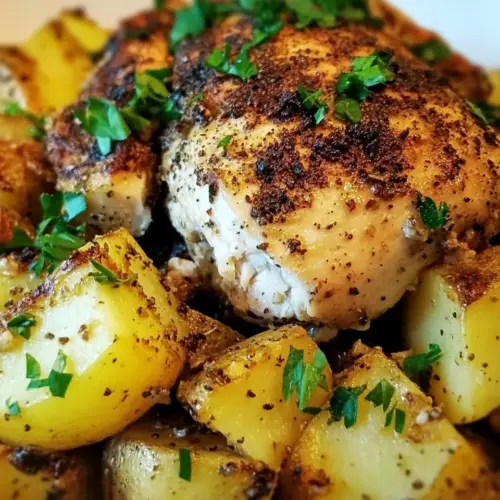
Instant Pot Chicken and Potatoes
Instant Pot Chicken and Potatoes is an easy weeknight dinner that delivers tender, juicy chicken and creamy potatoes with a savory, slightly smoky seasoning. The dish is cozy, flavorful, and fast, making it perfect for busy evenings or casual gatherings. Try it for a reliable, comforting meal you'll want to make again and again.
Equipment
- Instant Pot
- Large Bowl
- Wooden Spoon
- Slotted Spoon
Ingredients
- 4 chicken breasts boneless and skinless Poach evenly in the Instant Pot to provide lean protein and a tender base for the dish; breasts absorb seasoning and juices during pressure cooking, keeping the meal moist and flavorful. Slice or shred after cooking to mix with potatoes and sauce for balanced texture. Adjust cooking time as needed to avoid overcooking and ensure safe internal temperature.
- 2 pounds baby potatoes Roast or steam whole to add hearty, earthy starch and bite that complements the chicken; baby potatoes retain skins for extra texture and absorb seasoning well during pressure cooking. Halve larger ones for even cooking and to increase surface area for browning when finishing. Act as the primary carbohydrate, making the meal satisfying and well-rounded.
- 4 tablespoons olive oil Sear to create a flavorful cooking base and assist in browning the chicken; olive oil helps distribute heat and prevents sticking during the sauté step. Add richness and a subtle fruity note that enhances the overall flavor profile. Use a moderate amount to balance calories while ensuring good texture.
- 1 1/2 teaspoons salt or to taste Season liberally to enhance and balance the overall savory profile; salt brings out natural flavors in both chicken and potatoes and helps with moisture retention during cooking. Taste and adjust at the end to avoid oversalting, especially if using salted broth or cheese. Consider reducing quantity for low-sodium diets.
- 1/4 teaspoon pepper or to taste Season sparingly to provide a mild heat and background spice that enhances other seasonings without overpowering them. Pepper adds subtle complexity and a gentle warmth to the finished dish. Adjust to taste, remembering it intensifies slightly when cooked.
- 1 teaspoon garlic powder Sprinkle evenly to add concentrated garlicky flavor and aromatic depth without the moisture of fresh garlic, helping maintain consistent seasoning throughout. Garlic powder dissolves into sauces and juices in the Instant Pot, providing savory umami notes. Use with fresh garlic if a more pronounced garlic profile is desired.
- 1 teaspoon onion powder Dust lightly to contribute a sweet, savory onion flavor that complements garlic powder and enhances overall seasoning balance. Onion powder distributes easily over meat and potatoes and blends into the cooking liquid. Helpful for quick seasoning when fresh onion is not used.
- 1 teaspoon smoked paprika Season generously to introduce a smoky, slightly sweet aroma that elevates the dish with depth and warmth; smoked paprika pairs particularly well with roasted or seared chicken. Adds color and a subtle smokiness that complements the ranch and parmesan. Use according to preference for smokiness intensity.
- 1 teaspoon dried Italian herbs Blend in moderation to contribute a fragrant, herby backbone that ties together Mediterranean and classic comfort flavors; dried Italian herbs typically include basil, oregano, thyme, and rosemary. Enhances savory notes and provides complexity without overpowering other seasonings. Sprinkle evenly for balanced herbaceousness.
- 1/2 teaspoon dried basil Add carefully to introduce a sweet, slightly peppery basil note that brightens the overall herb mix and complements tomato-based or dairy-rich components. Dried basil enhances freshness and pairs well with parmesan and ranch flavors. Rehydrate slightly during cooking to release its aroma.
- 1/2 teaspoon dried oregano Stir in to provide a classic Mediterranean oregano flavor, offering earthy, slightly bitter notes that support other dried herbs and spices. Dried oregano adds savory complexity and pairs well with chicken and potatoes. Use sparingly to avoid an overly medicinal taste.
- 2 tablespoons dry Ranch seasoning Shake generously to contribute concentrated tangy, savory flavors characteristic of Ranch seasoning; it adds buttermilk, herb, and onion notes that deepen the dish's profile. Ranch seasoning helps create a creamy, slightly tangy coating when combined with broth and parmesan. Adjust amount for preferred tanginess.
- 1 1/2 cups chicken broth Pour as the cooking liquid to create steam for pressure cooking while adding savory depth; chicken broth infuses the chicken and potatoes with rich umami and prevents dryness. Use low-sodium broth to control salt levels and adjust seasoning after cooking. Provides a base for any pan sauce or finishing glaze.
- 1 1/2 cups grated parmesan cheese Sprinkle over or mix in at the end to add salty, nutty, umami-rich creaminess that enhances mouthfeel and flavor; parmesan melts into the hot dish, creating a cohesive, slightly cheesy finish. Use grated form for even distribution and stir until incorporated for a silky texture. Adjust quantity to taste, as it contributes significant saltiness.
Instructions
- In a large bowl add chicken, potatoes, olive oil, salt and pepper, toss well.: The aroma of olive oil blending with freshly cracked pepper and salt will hit you first, and you should feel the coarse texture of the seasonings coating the surfaces as you toss. This contact seasons both the exterior of the chicken and the skin of the baby potatoes , helping them brown and develop flavor during saute. When you toss, listen for the quiet clink of potatoes against the bowl, and look for an even sheen of oil on every piece. If you skip this even coating, you risk patchy browning and less flavor penetration.
- Add the rest of the seasonings and toss well to combine.: As you sprinkle in the garlic powder, onion powder, smoked paprika, and dried herbs, inhale the layered scent that emerges, which hints at the final complexity. Tossing ensures each item picks up tiny granules of seasoning so no bite is bland. A common mistake here is rushing and not distributing seasonings evenly, which creates spots that taste under seasoned while others are too strong.
- Click on saute on the IP, add more olive oil, and tilt the pot to distribute it evenly.: When the IP clicks to the saute setting, you should notice a faint shimmering on the oil when it is hot, signaling readiness to brown. Tilting the pot ensures a thin, even layer of oil coats the surface so the chicken makes good contact. If the oil smokes immediately, the heat is too high, so lower it to prevent burnt flavor.
- Once the oil is hot, brown the chicken breasts on all sides. Set aside.: Browning creates a fragrant crust, a sound like a brief sizzle that tells you Maillard reactions are happening, which add deep, savory flavor. Turn the pieces when they release easily and show golden edges. Set them aside on a plate to rest briefly, letting carryover heat continue to develop flavor. Overcrowding during this stage prevents proper browning and causes steaming instead of searing.
- Add the chicken broth and scrape the bottom well of any bits that stuck to it.: Pouring in the chicken broth releases those stuck brown bits, or fond, without heat you can see them dissolve and the broth turn a richer color. Scraping with a wooden spoon lifts flavor into the liquid, which will then coat the other ingredients. Missing this step leaves flavor behind and can increase the chance of a burn notice on the pressure cooker.
- Next add the potatoes and top with the chicken.: Layering the baby potatoes first lets them sit in the broth so they absorb liquid and seasonings, while placing the chicken on top helps steam circulate. You will notice the potatoes settle and the arrangement looks snug and ready for pressure. If you pile everything awkwardly, steam circulation may be uneven and cause inconsistent cooking.
- Lock the lid and turn the vent to the sealed position.: When you lock the lid and set the valve, you should feel a satisfying click, and the pot will begin building pressure. This seal traps steam, converting liquid to high pressure which cooks efficiently. Forgetting to set the vent to sealed prevents pressure buildup and leads to undercooked results.
- Pressure cook on HIGH for 10-15 minutes, if the potatoes and chicken are too thick pressure cook for 15 minutes.: Inside the sealed environment, the sound will drop to a quiet hum, and the timing converts the texture of both ingredients to tender and cohesive. The shorter end yields just tender potatoes and juicy chicken , while the longer time ensures larger pieces are fully cooked through. A common error is misjudging thickness; always check the largest piece for doneness to avoid rubbery meat or hard potato centers.
- Once the cooking time is finished, do a 'Quick Pressure Release'.: Releasing pressure quickly produces a light hiss as steam escapes, and you will smell the concentrated aromas suddenly bloom. This method stops cooking immediately, preserving texture and preventing overcooking of delicate chicken. Be careful during release, because steam is hot and can burn; use a tool to flip the valve if needed.
- Open the lid and use a slotted spoon to transfer the chicken and potatoes to a large serving platter.: When you lift the lid, a wave of steam carries a rich, savory scent. Use a slotted spoon to drain excess broth and keep the pieces intact, arranging them attractively. If you try to lift everything at once, the pieces may break apart, so gentle transfers maintain presentation.
- Sprinkle with more Ranch seasoning, parmesan cheese, and garnish with chopped fresh parsley and serve.: As you finish with the dry Ranch and grated parmesan cheese , their salt and umami sing against the warm surfaces, and the cheese may melt slightly into pockets on the potatoes. A final sprinkle of chopped parsley, if you have it, adds green color and a fresh top note. Overdoing the finishing salt or cheese can overshadow the balanced flavors developed during cooking, so taste before adding more.
Notes
- Adjust the Ranch Level Try adding slightly less or more dry Ranch seasoning to match your salt preference, because blends vary in sodium and intensity.
- Parmesan Finish If you want a creamier finish, stir some of the grated parmesan cheese into the warm broth off heat to create a light sauce that clings to the potatoes.
- Browning Priority Give each chicken breast space when sauteing so they develop a deep golden crust rather than steaming, which enhances flavor dramatically.
- Potato Size Use baby potatoes for even cooking; if you only have larger ones, halve them to match the cook time of the chicken.
- Broth Choice Use low sodium chicken broth if you want more control over final saltiness and adjust seasoning after cooking.