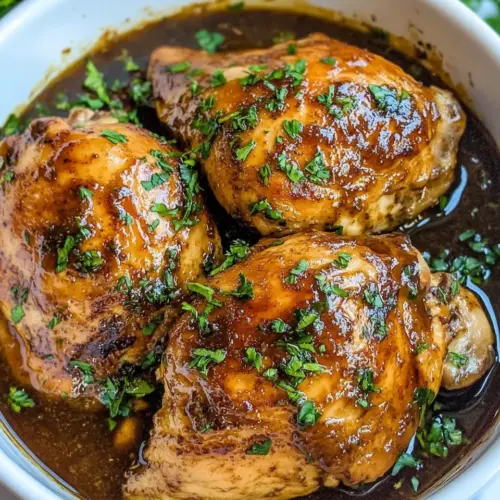
Instant Pot Balsamic Chicken
Instant Pot Balsamic Chicken is a glossy, savory sweet dish where tangy balsamic meets sticky honey and warm spices for an easy weeknight dinner that tastes intentionally crafted. The pressure cooker yields tender, juicy chicken in minimal time, producing a concentrated sauce perfect over rice or pasta. Make it when you want big flavor without a long evening in the kitchen.
Equipment
- Instant Pot
- Trivet
- Mixing Bowl
- Tongs
Ingredients
- 3 chicken drumsticks Season generously and help build foundational savoriness; use to balance sweetness and enhance overall flavor throughout the dish. Ensure even coverage so the meat develops better browning and integrates with the balsamic sauce during pressure cooking.
- 3 chicken thighs Provide rich, succulent meatiness and contribute fat for moisture; combine with drumsticks to create varied textures and a fuller protein profile. Cook until just tender so thighs remain juicy and absorb the aromatic sauce components.
- Kosher salt and ground black pepper Season sparingly to taste and contribute essential savory balance; kosher salt draws out moisture for better browning while ground black pepper adds a sharp, warming bite. Adjust quantities during cooking to avoid over-salting as the broth and balsamic concentrate.
- 2 tablespoon canola oil Sear components and develop a flavorful fond; heat until shimmering to brown the chicken and onions before deglazing. Use measured tablespoons to control added fat and prevent the dish from becoming greasy.
- 1 large onion thinly sliced Soften slowly to add sweet, aromatic depth and form the base of the sauce; slice thinly so the onion breaks down and melds with the tomatoes and spices. Cook until translucent to release natural sugars that complement the balsamic and molasses.
- 2 medium tomatoes chopped Contribute bright acidity and body to the sauce; chop medium tomatoes to release juices that balance the vinegar and sweeteners. Simmer until softened so they break down into a cohesive, slightly chunky sauce.
- 1/2 cup chicken broth low-sodium Add savory liquid for braising and prevent burning; low-sodium chicken broth supplies umami while allowing control over saltiness. Use measured quantity to ensure proper pressure for the Instant Pot without diluting flavor.
- 1 tablespoon chopped parsley for garnish Garnish at the end to add fresh, herbaceous lift and color contrast; chop parsley finely and sprinkle just before serving. Use sparingly to preserve the intended balance of cooked, concentrated flavors.
- 1/4 teaspoon cinnamon Impart warm, slightly sweet spice that rounds savory and sweet elements; sprinkle in small amounts to avoid overpowering other aromatics. Blend with other spices so the cinnamon complements the balsamic and molasses.
- 1/4 teaspoon nutmeg Bring warm, nutty aromatic notes that enhance complexity; grate or measure carefully as nutmeg can dominate if overused. Pair with cinnamon and star anise for a subtle, fragrant backdrop to the sauce.
- 1 star anise Lend intense licorice-like aroma and deep warmth when simmered; include whole to infuse the braising liquid without creating gritty texture. Remove before serving if a whole piece is used to prevent unexpected bites.
- 1/4 fresh cracked black pepper Provide bold, freshly pungent heat and visual texture; crack fresh whole pepper for stronger aroma compared to pre-ground versions. Use cautiously alongside ground black pepper to layer pepperiness without excessive spice.
- 1/3 cup balsamic vinegar Contribute bright, tangy acidity and a complex sweet-tart backbone; measure to balance the molasses and honey for a glossy, flavorful glaze. Cook down slightly so the balsamic caramelizes and coats the chicken.
- 2 tablespoons molasses Add deep, dark sweetness and molasses-like richness that intensifies caramel notes; stir in with honey and vinegar to create a sticky, balanced glaze. Use sparingly to avoid making the sauce cloyingly sweet.
- 2 tablespoon honey Provide light floral sweetness and smooth viscosity to help bind the sauce; combine with molasses and balsamic for multi-layered sweet profiles. Heat until integrated so honey melds into the braising liquid evenly.
- 1 teaspoon crushed red pepper Introduce controlled heat and a touch of smokiness; crushed red pepper flakes disperse small bursts of spicy flavor throughout the sauce. Adjust amount to suit heat preference so it complements rather than overwhelms.
- 1 teaspoon coriander powder Add warm, citrusy-earthy flavor and subtle nuttiness; coriander powder enhances savory depth without adding heat. Toast slightly in the pan if desired to awaken oils before combining with liquids.
- 1 teaspoon dried thyme Contribute woody, slightly lemony herbal notes and savory background; dried thyme holds up well during pressure cooking and infuses the sauce evenly. Use measured teaspoons to avoid overpowering more delicate aromatics.
- 1 teaspoon dried rosemary Offer strong piney, resinous character that complements roasted meat; dried rosemary adds depth and aromatic lift when softened in the braising liquid. Crush lightly to release oils and distribute flavor evenly.
- 1 teaspoon dried oregano Provide classic Mediterranean herbiness and aromatic balance; dried oregano contributes savory, slightly bitter notes that round out the sauce. Add early so it rehydrates and infuses the dish during cooking.
Instructions
- Wash and rinse the chicken, pat dry with paper towels and season with salt and pepper, set aside.: The first thing you will notice is how dry skin browns more uniformly, producing a deep mahogany color and a toasty aroma that signals caramelization. Patting the chicken thoroughly removes surface moisture so the skin can crisp rather than steam, and seasoning early lets the salt start penetrating the meat. If the skin is wet when it hits the pan you will get steam which prevents browning, so always dry well. A common problem is using too little salt which yields a bland result; be confident but not excessive. The sound cue here is a quick hiss when the chicken hits hot oil, which means you have proper surface temperature.
- Turn the Instant Pot on the Saute mode. Once hot, add 2 tablespoons of oil, once the oil is shimmering, sear the chicken thighs and drumsticks in batches, starting skin side down, until nicely browned.: As you sear, watch for the skin to render and take on a rich golden brown, the aroma will shift from raw poultry to nutty and caramelized scents. Searing in batches prevents overcrowding, allowing each piece to make direct contact with the pan for even crust formation. If the oil is not shimmering you will get pale, soggy skin so wait until it glistens and moves in the pan. A frequent mistake is flipping too often, which interrupts Maillard reactions, so let each side develop color undisturbed. You'll hear a steady sizzling, and the browned bits left in the pot add flavor when deglazed later.
- Remove chicken and set aside.: Moving the browned chicken out of the pot prevents it from overcooking while you build the sauce, and preserves those fond bits for deeper flavor. The pot will smell toasted and savory at this stage. Try not to wipe the pot clean, because those browned fragments will dissolve into the sauce and give it complexity. A mistake here is leaving the chicken in the pot too long, which can lead to overcooked texture once pressure is applied.
- Add onion and tomato and cook until tomatoes start to break down about 3 minutes.: When the onion softens and the tomatoes begin to collapse, the mixture will smell sweet and slightly acidic, and the pan will release more fond. This quick cook mellows onion sharpness and coaxes juices from the tomatoes which help form the base of the sauce. If you see burning, lower the heat and add a splash of broth, since scorched aromatics will impart bitterness. Stir occasionally but let the vegetables make contact with the pot to develop flavor.
- Combine the sauce ingredients in a small bowl and stir until the honey is completely dissolved. Set aside.: Mixing the balsamic vinegar , honey , molasses , spices, and other sauce components until smooth produces a homogenous glaze that will coat the chicken evenly. The aroma brightens as the vinegar hits the sweeteners and spices, and dissolving the honey prevents clumps that could caramelize unevenly. If honey or molasses remains unmixed you may get pockets of intense sweetness in the final dish, so whisk until glossy. Keep the mixture at room temperature to aid incorporation.
- Pour in the chicken broth, then the sauce in the Instant Pot, and give it a quick stir.: Adding the chicken broth first loosens the browned bits and deglazes the pot, creating a savory base that tempers the acidity of the vinegar. When the sauce is added, it blends with the broth and aromatics, and you will see a darker, glossy liquid form. Stirring briefly helps distribute spices and prevents hot spots, but do not over stir as that can break down the onions and tomatoes prematurely. Watch for a gentle steam rising, and if the mixture looks too thin the flavors will still concentrate during pressure cooking.
- Add a trivet to the IP. Add the chicken back to the IP on the trivet.: Using a trivet lifts the chicken out of the liquid so it cooks in steam while still being kissed by the sauce when served, preserving the seared crust and avoiding mushy skin. Placing the pieces evenly allows pressure to circulate properly and ensures uniform doneness. A common oversight is stacking pieces too tightly, which inhibits even cooking, so arrange them with small gaps. You may notice the sauce bubbling softly around the base when the pot comes to pressure.
- Cover the lid. Select Manual or Pressure Cook mode and set to High pressure for 10 minutes.: Under high pressure the connective tissues in the chicken break down quickly, yielding tender meat that shreds easily and soaks up sauce. The Instant Pot will build pressure, and you will hear the machine begin its steady hum; that is normal. Setting the precise time ensures consistent results, and the high setting is what turns the sauce rich without overcooking the meat. Avoid opening the lid while pressurizing, as that interrupts the cycle and lengthens cook time.
- Once done, do a quick pressure release.: The quick release stops the cooking immediately, preserving the texture of the chicken and keeping the sauce bright. You will hear a rush of steam when you vent, and the pot will cool enough to open. If you wait too long to release, the meat can continue to steam and become overly soft. Use tongs and keep your hands clear of the vent to avoid burns during this step.
- Sprinkle with the parsley and serve the honey balsamic chicken with the sauce on top of rice or pasta.: The final scent is a concentrated mix of sweet, tangy, and warm spices, and the glossy sauce clings to the chicken creating a pleasing sheen. Garnishing with chopped parsley refreshes the plate with herbal color, and serving over grains catches every drop of sauce. A common serving mistake is discarding the pan sauce; instead spoon it over the meat and sides to maximize flavor. Enjoy the contrast of tender meat and silky sauce in each bite.
Notes
- Boost the herb note — Stir in a teaspoon of fresh chopped thyme or rosemary after cooking to add bright, aromatic top notes that contrast the sauce.
- Make it spicier — Increase crushed red pepper gradually or add a pinch of cayenne to the sauce mixture for more heat, tasting as you go to avoid overpowering the sweetness.
- Glaze finish — Once pressure is released, switch to Saute and reduce the sauce briefly to a glaze consistency, spooning it over the chicken for extra shine and cling.
- Adjust sweetness — If you prefer less sweet, cut the honey by half and rely on the molasses for depth, or add a splash more balsamic vinegar to brighten.
- Extra aromatics — Add a smashed clove of garlic to the sauce step for more savory depth, but remove or mince it finely if you want an even distribution.
- Herb swap — If rosemary feels strong, replace with more thyme for an earthier profile that pairs well with the chicken.