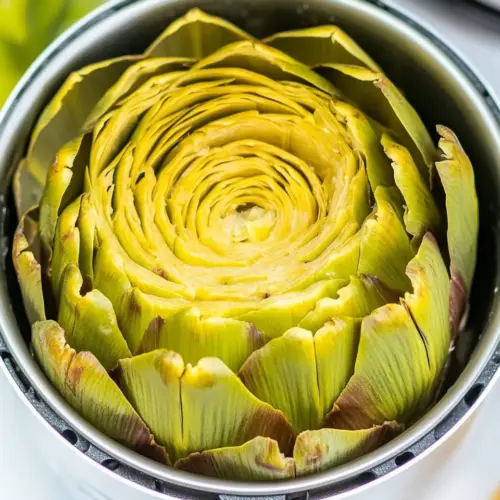
Instant Pot Artichokes
Instant Pot Artichokes deliver tender, lemon scented leaves and a buttery heart with minimal effort. This easy, aromatic recipe yields reliably soft artichokes ideal for an easy weeknight dinner starter or casual gathering. Bright citrus and simple seasoning let the natural flavor shine, making it a must try when artichokes are in season.
Equipment
- Electric Pressure Cooker (6 or 8 quart)
Ingredients
- 4 medium artichokes, trimmed Trimmed and prepared to remove tough outer leaves and choke, providing the tender heart and leaves for steaming; contributes a mild, nutty flavor and substantial texture that soaks up lemon and seasoning, forming the centerpiece of the dish.
- 3 small lemons Juiced and zested to add bright acidity and aromatic citrus oils; balances richness, prevents discoloration of cut artichokes, and enhances overall freshness of the steamed vegetables.
- 1 1/2 cups cold tap water Poured into the Instant Pot as the cooking liquid to generate steam for even pressure cooking; provides necessary volume for proper pressure and helps distribute salt and lemon flavors throughout the artichokes.
- 2 teaspoons kosher salt Measured and dissolved into the cooking water to season the steaming liquid, enhancing the natural flavors and helping to draw out bitterness; ensures the artichoke leaves and hearts are evenly seasoned during cooking.
Instructions
- Cut 1 lemon into slices. Cut the remaining 2 lemons in half. Place the lemon slices in a large mixing bowl and fill with cold water.: The bowl fills with a citrus scented pool that prevents the artichokes from oxidizing, and you will notice a light lemon fragrance that keeps the workspace bright. This step matters because the freshly cut leaf and stem surfaces tend to brown quickly when exposed to air, which affects appearance though not flavor. A common mistake is using warm water, which speeds browning instead of slowing it, so stick with cold water to preserve color and texture. The visual cue you want is a clear, cool lemon solution with floating slices, and a faint citrus aroma that signals the prep water is ready.
- To prepare the artichokes for cooking, work one at a time to cut off the stem and the tip of the artichoke. Rub the exposed leaves of the artichoke with a cut lemon. Use kitchen scissors to snip off the spiky tip of each leaf. Once prepared, place the artichoke in the lemon water to keep from browning.: When you slice the stem and tip, the artichoke exposes pale flesh that will otherwise darken. The tactile feel of the leaves will shift as you trim them, from rigid to more yielding, and rubbing with lemon leaves a faint sheen of juice that also smells lively. Scissors tame the sharp leaf tips and make the eating experience pleasant. A mistake to watch for is preparing multiple artichokes and leaving them exposed before placing them in the lemon bath, which leads to uneven discoloration. The right cue is to see all prepared artichokes resting in the lemon water with no exposed dry flesh, and a fresh citrus scent in the bowl.
- Place the trivet into the bottom of the instant pot. Add 1-1/2 cups of cold tap water into the inner pot along with 2 teaspoons of kosher salt and 1 sliced lemon. Place the trimmed artichokes, cut-side down, on the trivet.: Hearing the faint clink as the trivet settles signals you are assembling for steam. The water and salt will hiss and produce steam that carries the lemon aroma through the pot, gently cooking the leaves and heart. Positioning the artichokes cut side down helps them absorb moisture while maintaining shape. A common error is overcrowding the pot, which yields uneven cooking; leave space for steam to circulate. Visual cues include the lemon slice floating in the water and artichokes sitting steadily on the trivet, not tipping or submerged.
- Seal the lid. Move the release valve to the "sealing" position. Small: 8 minutes on High Pressure. Medium: 13 minutes on High Pressure. Large: 18 minutes on High Pressure.: 8 minutes on High Pressure. Medium: 13 minutes on High Pressure. Large: 18 minutes on High Pressure. : You will hear the valve click as it secures, and soon the pot will start building pressure producing a low steady hum. These time ranges are calibrated to size so the inside cooks to tender without becoming mushy. Understanding why size matters prevents overcooking the smaller artichokes or undercooking the larger ones. One mistake is picking one time for all sizes, which compromises texture; instead, match the time to the size. The cue to expect is that the cooker will reach full pressure then maintain a steady, soft sound until the program ends, and the artichoke leaves should feel pliable when tested after release.
- After pressure has been released, do a quick release of pressure immediately to stop the cooking process. To do this, use a long utensil and carefully knock the venting knob from the sealing to the venting position. Stand back to prevent being burned by the steam.: When you trigger the quick release, a rush of warm, citrus scented steam will erupt, and it is important to stay clear of the vent. This step halts further cooking so the artichokes do not become overly soft. The why here is timing control, it preserves the desired tender yet intact texture. A common mistake is leaning over the vent, which risks steam burns, so always use a long utensil and position yourself safely. The safety cue is a sudden whistle of steam followed by a drop in the pot's pressure indicator.
- Once the pressure has been released, open the lid and remove the artichokes to a platter or cutting board.: Opening the lid releases a fragrant puff of lemon steam and reveals glistening leaves that will feel warm to the touch. Transferring them carefully prevents tearing and keeps the presentation intact. You may notice juices collecting at the base of the pot, those are concentrated with lemon and salt, a reminder that nothing is wasted. A mistake here is trying to lift artichokes with a fork which can tear leaves, instead use tongs or lift with hands protected by a towel. The cue is artichokes that sit upright and have a uniform softened appearance around the base of each leaf.
- To serve, serve the leaves with melted butter for dipping. Once you get to the choke, discard. Alternatively, cut the artichoke in half, and scoop out the choke using a spoon. Or spread the larger petals out to expose the center petals. Remove the smaller petals by twisting clockwise to expose the fuzzy choke. With a spoon, carefully remove the fuzzy top layer without scraping away the artichoke heart.: The ritual of eating is tactile, the leaves release tender flesh at their base that tastes lightly lemoned and slightly briny from the steam. Melting butter enhances richness and contrasts the bright citrus notes. When you reach the choke, its fuzzy texture is inedible and must be removed to access the heart beneath. A common mistake is scraping too aggressively and losing bits of the heart, so use a gentle scooping motion. The visual cue is the reveal of a pale, smooth heart that invites a final spoon or fork presentation, and the aroma will be a gentle blend of lemon and cooked vegetable sweetness.
Notes
- Choose firm artichokes When shopping, pick artichokes that feel heavy for their size and have tightly closed leaves; they will yield the best texture after steaming.
- Trim with care Trimming the stem and snipping the leaf tips reduces toughness and makes the leaves easier to eat; a small pair of kitchen scissors is a great tool to keep on hand.
- Fresh lemons matter Fresh lemon halves and slices provide both flavor and citrus oils that store bought juice cannot replicate, so use fresh whenever possible.
- Salt control Kosher salt seasons the steaming liquid gently; if you must swap to table salt, reduce the amount to avoid oversalting the artichokes.
- Check for doneness Use a sharp knife to test the base near the stem; if it slides in easily the artichoke is tender, if not add one minute under pressure and test again.
- Serving heat Serve the artichokes warm rather than hot to make leaf pulling comfortable and allow dipping sauces like melted butter to coat the base nicely.
- Storage tip Leftovers keep well refrigerated wrapped tightly for up to two days; reheat gently to avoid drying out the hearts.