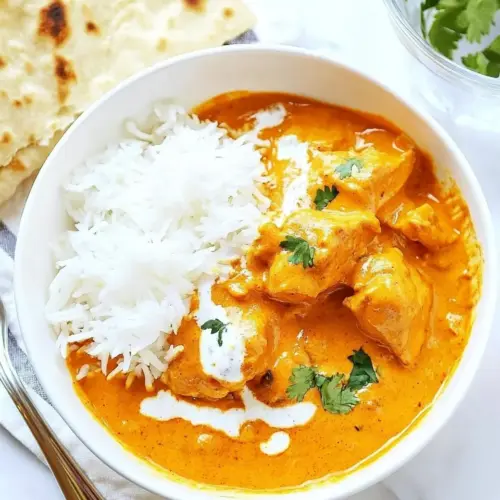
Indian Butter Chicken
Indian Butter Chicken is a creamy, aromatic curry with tender marinated chicken bathed in a silky tomato sauce. This easy weeknight dinner combines warm spices like garam masala and turmeric with a smooth half and half finish, making it both comforting and impressive. Serve over steaming rice for a cozy meal that’s worth making again and again.
Equipment
- Large non stick skillet
- Glass bowl
Ingredients
- 1 cup full fat plain Greek yogurt (use fat free if counting WW points) Provide creamy tang and tenderize the chicken when used as a marinade base; lends richness and helps spices adhere for deeper flavor penetration.
- 1 tablespoon freshly squeezed lemon juice Add bright acidity to the marinade to balance richness and help break down proteins for more tender chicken.
- 2 teaspoons ground turmeric Impart warm, earthy color and mild flavor while contributing anti-inflammatory benefits and a subtle peppery finish to the marinade.
- 2 teaspoons garam masala Give aromatic warmth and complex spice notes that define the curry profile and enhance the overall savory depth of the dish.
- 1 teaspoon ground cumin Introduce a nutty, slightly citrusy warmth that complements other spices and rounds out the marinade’s flavor profile.
- 2 medium garlic cloves, minced Deliver sharp, pungent garlic flavor and aroma to the marinade, boosting savory depth and complementing ginger and spices.
- 1 tablespoon grated fresh ginger Contribute zesty, slightly sweet heat and aromatic brightness that lifts the marinade and pairs well with garlic and lemon.
- 2 pounds boneless, skinless chicken breasts (or thighs), cut into bite-sized pieces Provide the main protein for the dish, absorbing the marinade flavors and becoming tender, juicy bite-sized pieces when cooked.
- 1/2 tablespoon unsalted butter Add a hint of rich, creamy butter flavor and a silky mouthfeel while helping develop a glossy sauce if used in cooking.
- 1/2 tablespoon vegetable oil Offer a neutral frying medium with a high smoke point to sauté aromatics and brown chicken without overpowering the spices.
- 1/2 cup finely chopped onion Provide sweetness and savory depth when finely cooked down, forming the flavor base of the sauce and adding body.
- 1 large garlic clove, minced Supply pungent garlic flavor to the sauce, enhancing savory notes and contributing aromatic complexity when sautéed.
- 1 tablespoon grated fresh ginger Bring fresh, spicy warmth to the sauce, brightening flavors and balancing the tomato richness with zesty undertones.
- 1 teaspoon garam masala Layer in warm, aromatic curry flavor that echoes earlier seasoning and reinforces the dish’s characteristic spice profile.
- 1/2 teaspoon chili powder Add mild heat and earthy chili flavor to elevate the curry’s spiciness while complementing garam masala and cayenne.
- 1/4 teaspoon ground cayenne pepper Deliver concentrated heat to the sauce in small amounts, intensifying spiciness and adding a sharp, lingering kick.
- 1/4 teaspoon salt (more or less, to taste) Provide essential seasoning to balance flavors, enhance other ingredients, and control the overall taste of the finished curry.
- 8 ounces low-sodium tomato sauce Introduce smooth, savory tomato flavor and body to the sauce, offering acidity and umami while blending with spices.
- 2 tablespoons tomato paste Concentrate tomato richness and thicken the sauce while adding deeper sweet-tart notes that intensify the tomato profile.
- 1 cup half and half cream Contribute creamy richness and mellow dairy sweetness that tempers acidity and heat, producing a lusciously smooth sauce.
- 1 tablespoon unsalted butter Add buttery richness and a silky mouthfeel when stirred into the finished sauce, rounding out flavors and shine.
- hot cooked rice Serve as a starchy accompaniment to absorb sauce and provide a neutral, comforting base for the flavorful curry.
- chopped fresh cilantro Offer fresh herbal brightness and a slightly citrusy note when chopped and scattered over the finished dish for garnish.
Instructions
- Combine all the marinade ingredients in a glass bowl. Toss to combine, cover and refrigerate up to 24 hours.: You will notice a smooth, pale mixture when the Greek yogurt , lemon juice , ground turmeric , garam masala , ground cumin , minced garlic , and grated ginger are fully integrated, and the marinade should coat each piece of chicken evenly. The aroma will be tangy and warm with spice notes rising from the bowl, a sign the acid and aromatics are interacting. Covering it and chilling allows the flavors to seep into the meat, which makes the texture tender and the flavor more cohesive. A common mistake is skimping on time, which leads to less flavored and firmer meat; if you are short on time, let it marinate at least 30 minutes, but overnight yields the best depth.
- Heat 1/2 tablespoon of butter and the vegetable oil in a large non-stick skillet over medium heat. Add the onion and sauté until softened, about 3 minutes. Add the garlic and ginger and cook, stirring constantly for about 1 minute or until fragrant. Add the garam masala, chili powder, cayenne and salt. Stir and cook until fragrant, about 30 seconds. Increase the heat to medium-high and add the marinated chicken pieces. Don’t worry about scraping out any remaining marinade mixture - just discard. Sauté until the chicken is no longer pink on the outside, about 5 minutes.: When the butter melts into the oil you should see a gentle shimmer across the pan, that indicates the pan is hot enough. As the diced onion softens the kitchen fills with a sweet savory scent, and when you add the minced garlic and grated ginger there’s a bright, peppery perfume that tells you they are cooking properly. Toasting the spices for about 30 seconds releases their essential oils and transforms them from flat powders into aromatic boosters, so pay attention and stir continuously to avoid burning. When you add the marinated chicken , it should hit the pan with a distinct sizzle, searing and locking in juices; watch for edges to turn opaque and slightly golden. A frequent error is crowding the pan, which causes steaming rather than sautéing; if your skillet is compact, cook the chicken in batches to preserve a nice sear.
- Add the tomato sauce and tomato paste and simmer uncovered for 15 to 20 minutes, stirring occasionally until the chicken is cooked through. Reduce the heat, and add the half-and-half and remaining tablespoon of butter, and warm gently until the butter is melted. Remove from the heat.: As the tomato sauce and tomato paste combine with the browned bits from the pan you will see the sauce go from a bright raw red to a deeper, richer hue, and small bubbles will appear at the edges as it simmers. The aroma becomes rounder and more complete as acids mellow and sugars develop; stirring occasionally prevents sticking and ensures even cooking. After 15 to 20 minutes the chicken should be cooked all the way through and tender; internal texture should feel firm but yielding. Reducing the heat before adding the half and half cream prevents it from splitting, and warming gently allows the sauce to emulsify into a glossy finish. Finish with the last tablespoon of butter for sheen. An easy oversight is rushing the simmer; under simmering leaves a thin, underdeveloped sauce while over-simmering can dry the chicken .
- Serve over hot rice and garnish with chopped cilantro if desired.: The final presentation is all about contrast, place the warm curry over steaming rice so each spoonful carries sauce and texture together. The garnish of chopped fresh cilantro will contribute a bright herbal note and a pop of green that lifts the dish visually and in flavor. Listen for the small hiss as bowls are set down, and savor the glossy surface of the curry when you spoon it out. A common mistake is serving too cool; ensure everything is hot so the sauce is fluid and aromatic. If you need to rewarm, do so gently on low heat with a splash of water to loosen the sauce without breaking the emulsion.
Notes
- Swap proteins: Use chicken thighs instead of breasts for a juicier outcome, the extra fat keeps the meat tender during simmering.
- Adjust the heat: Reduce or omit the cayenne to create a milder dish, which makes it friendlier for children or guests who prefer low spice.
- Richer sauce: Stir in an extra tablespoon of unsalted butter at the end for a silkier finish if you want a truly indulgent texture.
- Lighter sauce: Substitute part of the half and half with low fat milk if you want to cut calories while keeping creaminess.
- Make ahead: Prepare the curry a day early, refrigerate, then gently reheat; flavors meld and deepen overnight for even better taste.
- Herb finish: Add more chopped fresh cilantro right before serving for a fresher, greener lift that balances the cream.