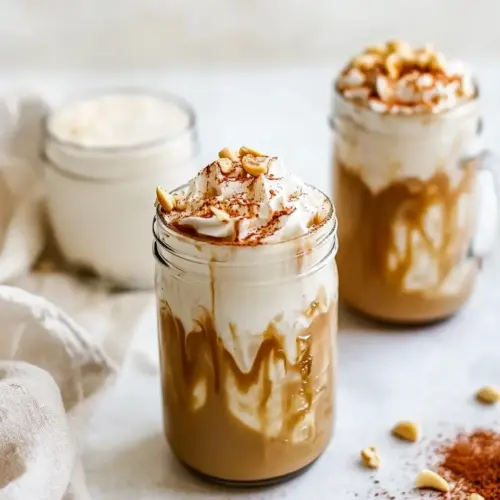
Iced Horchata Coffee
Iced Horchata Coffee is a creamy, cinnamon kissed fusion of homemade horchata and bold iced coffee. This easy chilled drink blends silky whole milk and aromatic cinnamon sticks with coffee for a refreshing treat perfect for summer mornings or leisurely brunches, and it makes a great make ahead option for busy days.
Equipment
- Vitamix Blender
- Cheesecloth
- Fine-mesh strainer
Ingredients
- 3 cups water Provide hydration and volume to the horchata base, acting as the solvent for soaking rice and extracting flavors; contributes to the beverage's overall dilution and mouthfeel while keeping the recipe light and balanced.
- 1 -1/3 cup long grain white rice, uncooked Offer a starchy body and creamy texture when soaked and blended, releasing natural sugars and rice flavor that form the characteristic foundation of horchata; helps thicken the final drink and lends subtle nutty notes.
- 2 whole cinnamon sticks Impart warm, aromatic spice and depth during soaking and steeping, infusing the rice water with cinnamon's sweet, woody complexity; helps balance sweetness and adds a traditional horchata character.
- 1 cup whole milk Contribute richness and silkiness to the blended mixture, boosting creaminess and mouthfeel while complementing the rice's texture; adds dairy fat that enhances flavor and produces a smoother finish.
- 1/3 cup granulated sugar Add sweetness and help balance flavors throughout the drink, dissolving into the liquid to harmonize cinnamon, coffee, and milk; controls overall sugar level and contributes to pleasant browning notes.
- 1 tablespoon vanilla bean paste Provide concentrated vanilla aroma and flavor complexity, elevating the beverage with floral and sweet accents; enhances perceived sweetness and deepens the overall flavor profile without adding extra sugar.
- 8 ounces iced coffee Deliver bold coffee flavor and caffeine, complementing the sweet horchata base and creating the iced horchata coffee blend; contributes chilled temperature and additional liquid to the assembled drink.
- 1/4 cup homemade horchata Bring concentrated horchata flavor and natural creaminess, reinforcing the rice-cinnamon profile and integrating with milk and coffee for a cohesive beverage; acts as a flavor booster derived from the original horchata preparation.
- 1 dollop whipped cream, for topping, optional Add a light, airy finish and visual appeal when used as a topping; provides a creamy contrast to the chilled drink and can carry an extra hint of sweetness if sweetened.
Instructions
- In a high-powered blender jar add water, rice, and cinnamon sticks.: The moment you pulse these together the sound changes from a steady hum to a coarser grind, and you will smell the first hint of cinnamon oil releasing. Using a high powered unit helps break the rice into small, chunky pieces quickly, which is essential for extracting starch during the rest. A frequent error here is overblending into a fine powder, which can make straining messier and cloud the liquid.
- Blend until the rice is in small, chunky pieces and the cinnamon sticks are broken up.: Look for a mixture that resembles coarse sand with visible cinnamon fragments, not a smooth paste. The texture indicates you have exposed enough surface area for the water to extract flavor during resting. If you blend too long, you may force more solids through the cheesecloth when straining, leading to a gritty mouthfeel.
- Let the mixture sit in the blender for at least 3 hours or up to 24 hours. If storing overnight, let it sit in the fridge.: During this rest you will notice the aroma deepen and the water turn opaque as starch and flavor infuse. Cooler storage slows any unwanted fermentation and keeps the flavors bright. A common mistake is leaving it at room temperature too long in warm climates, which can introduce off aromas.
- Once the horchata has rested, place a fine mesh strainer over a large bowl and line the strainer with cheesecloth.: The visual cue is a cloudy, fragrant liquid in the blender that pours much better when you have the double barrier of mesh and cloth. The cheesecloth catches fine particles while the mesh supports it. Skipping the cheesecloth will often result in a cloudy texture and some graininess in the finished horchata.
- Pour the rice mixture into the strainer, gently squeeze out the rice in the cheesecloth to try and get all the liquid.: As you squeeze you can hear a soft, wet rustle and you will feel the liquid yield, releasing a concentrated, creamy stream. Squeezing helps extract as much of the flavored liquid as possible. Be careful not to press so hard that you push solids through the cloth, which makes the drink gritty.
- Rinse out your blender and add the strained mixture. Add in milk, sugar, and vanilla bean paste. Blend to combine.: The blended horchata should emulsify into a silky, pale beige liquid with tiny flecks of vanilla. A quick blend ensures the sugar dissolves and the milk integrates evenly. Watch for separation if you blend too slowly, and always blend just enough to unify the mixture without aerating it heavily.
- Pour the horchata mixture into a storage jar and store it in the refrigerator for 5-7 days.: Properly chilled, the horchata will settle and flavors will mellow, becoming more cohesive after a few hours. Use airtight storage to prevent absorption of fridge odors. The main mistake is leaving it uncovered which can pick up other flavors or oxidize faster.
- Add ice to a large glass and add iced coffee and the desired amount of horchata.: When you pour, listen for the gentle clink of ice and watch how the coffee and horchata swirl, creating ribbons of cream that gradually blend. This visual cue tells you how much horchata to add; if it overwhelms the coffee, reduce the ratio next time. Overfilling with ice can dilute the drink too quickly.
- Top with whipped cream if desired.: The final touch of whipped cream should sit proudly on the surface, slowly melting and adding a soft, billowy texture to each sip. It completes the mouthfeel, giving a light richness up front before the coffee and horchata emerge. A common misstep is using a heavy cream that is overly sweet or dense, which masks the other flavors.
Notes
- Make ahead: Prepare a larger batch of horchata and keep it chilled for quick drinks during the week, it saves time on busy mornings and always tastes better after a little rest.
- Adjust sweetness: Start with the recommended sugar then tweak to your preference since different iced coffee blends may add their own sweetness.
- Vanilla swap: If you do not have vanilla bean paste, vanilla extract can be used, but the paste adds tiny flecks and a more rounded flavor.
- Proportion play: Experiment with the iced coffee to horchata ratio to find your perfect balance between creamy and caffeinated.
- Serving suggestion: For a festive touch, sprinkle a tiny pinch of ground cinnamon on top of the whipped cream for aroma and visual appeal.