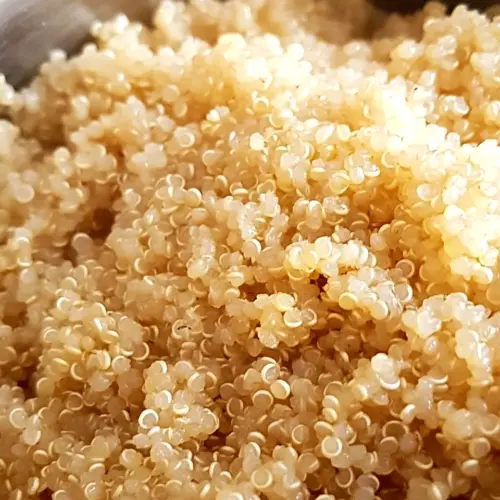
How to Cook Quinoa on the Stovetop
How to Cook Quinoa on the Stovetop yields fluffy, tender quinoa with a light nutty aroma and a clean finish. This easy to follow stovetop method transforms plain quinoa into a versatile base for bowls, salads, and sides, perfect for an easy weeknight dinner or meal prep. Mastering this technique gives you a reliable, healthy foundation to build countless meals.
Equipment
- Pot or deep saucepan
- Fine mesh sieve
- Fork
Ingredients
- 1 cup quinoa white or tri-color/rainbow Rinse thoroughly and toast briefly to remove any bitter saponins and enhance nutty flavor; provide the base grain texture for the final dish. Maintain a light fluffiness by properly rinsing and draining to prevent clumping. Use as the primary source of body and nutrition in the recipe.
- 2 cups water or broth Bring to a boil then simmer gently to cook the quinoa and infuse flavor; act as the cooking medium that hydrates and softens the grains. Choose broth for extra savory depth or water for a neutral profile, adjusting for desired taste. Measure accurately to ensure proper quinoa-to-liquid ratio for ideal tenderness.
- 1/4 teaspoons salt Season lightly at the start of cooking to enhance and balance flavors; contribute to overall taste and help bring out the quinoa's natural nuttiness. Adjust amount as needed for dietary preferences, adding gradually to avoid over-salting. Use fine salt so it dissolves evenly during simmering.
Instructions
- Rinse quinoa under cool water until water runs clear.: You will feel the tiny seeds tumble under your fingers as you rinse them, and the initial cloudiness will fade to clear, which is your visual confirmation that the bitter saponin coating is washing away. Use a fine mesh sieve so the small grains do not slip through, and swirl the quinoa vigorously, listening for the soft cascade sound as water moves through. If you skip this step the final dish can taste slightly soapy or bitter, so do not rush it. A common mistake is using hot water to rinse, which can start hydrating the grains prematurely; stick with cool water. After rinsing, shake off excess water so the measured liquid ratio remains accurate.
- Combine quinoa, salt, and 2 cups water in a pot or deep saucepan and bring to a boil. Reduce heat to low and let simmer, uncovered, until water is absorbed and white rings form around each grain, about 15 minutes. Add a small splash of water towards the end if quinoa becomes too dry.: As the pot warms, you will notice a toasty, grainlike aroma lifting from the pan, a nice hint of what is to come. The moment the surface begins to bubble vigorously is when the transformation starts, and that bright rolling boil signals that the heat is high enough. Use a snug fitting lid nearby, and position the pot on a burner that gives even heat distribution. Avoid a thin, flimsy pan which can scorch the bottom, and do not walk away during boiling. A common slip is letting the boil get too violent, which can cause foaming or spillage; aim for a steady, robust boil just long enough to start the cooking process.
- Cover pot, remove from heat, and let stand for about 5 minutes before fluffing with a fork.: The simmer stage is where texture is made, and you should hear a gentle whisper of bubbles rather than loud boiling. Watch closely as the surface calms and the pot's contents quiet down, a sign that the water is being absorbed. Visually inspect the grains; those tiny white rings or tails indicate the quinoa has expanded and released its germ, which is the hallmark of doneness. This period builds a tender but slightly springy bite, and maintaining low, even heat prevents boiling over or burning. If your burner runs hot, reduce to the lowest setting to avoid drying the grains too quickly. A common error here is covering the pot during simmer, which traps steam and can make the texture gummy; keep it uncovered as instructed.
- Add a small splash of water towards the end if quinoa becomes too dry.: As the grains near completion, you may notice some pockets that are still hard or excessively dry; a tablespoon or two of hot water can even out the cooking without restarting the process. Gently stir with a fork so you do not mash the grains, and feel for a light, fluffy texture as the water integrates. This small adjustment helps prevent uneven chewiness and keeps the final mouthfeel pleasant. Avoid adding cold water straight from the tap, which can shock the grains and lower the pot temperature significantly. A common misstep is overcompensating with too much water, which will push the texture toward mushy rather than fluffy.
- Cover pot, remove from heat, and let stand for about 5 minutes before fluffing with a fork.: The resting period allows trapped steam to finish the gentle cooking, and you will notice the surface settle and become slightly glossy. Keeping the lid on preserves warmth and yields a more even interior texture. After five minutes, use a fork to gently separate the grains, coaxing air into the pot so each seed puffs and loosens. The sound is subtle, a delicate rustle as the grains part, and the aroma becomes more pronounced, subtly toasted and nutty. If you try to fluff too early you risk compacting the grains, making them clump together. A frequent error is vigorously stirring with a spoon, which compresses the quinoa ; use a fork and light motions instead.
Notes
- Rinsing matters, always rinse in a fine mesh sieve to remove the natural saponins that can taste bitter and to ensure a clean, fresh tasting grain.
- Choose your liquid wisely, use water for neutrality or a mild broth for extra depth, remembering to reduce added salt if you pick a salty broth.
- Watch the simmer, keep the heat low after boiling so the quinoa cooks gently and swells without breaking, which preserves a pleasant bite.
- Fluff with a fork, after resting gently separate the grains with a fork to keep them light and airy instead of compacted.
- Adjust final moisture, if spots are still firm, add a small splash of hot water and cover briefly rather than reboiling, which helps avoid overcooking.