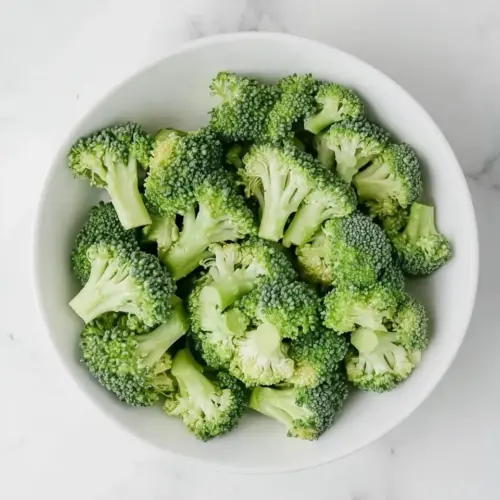
How to Blanch Broccoli
How to Blanch Broccoli produces bright green, tender crisp florets with minimal fuss. This easy method yields a fresh texture and vivid color, perfect for quick sides, salads, or meal prep. Keep it in your weeknight toolkit for an approachable, healthy addition to dinners and gatherings.
Equipment
- Large Stockpot
- Large Bowl
- Slotted Spoon
- Paper towels
Ingredients
- 2 pounds broccoli florets Trimmed and separated into bite-sized florets, provide the primary vegetable body and texture for blanching; cook briefly in boiling water to brighten color while preserving crisp-tender bite, then shock in ice water to halt cooking and set vibrant green. Add to salads, stir-fries, or freeze after drying; adjust blanch time based on floret size to avoid overcooking and mushiness.
- 2 teaspoons salt (optional) Dissolved into the blanching water as an optional seasoning, enhance the water's boiling point slightly and contribute subtle seasoning to the broccoli; use a measured amount so the flavor is present but not overpowering. Choose kosher or sea salt for even distribution and adjust to taste when serving, remembering that some dietary needs may call for omitting it.
Instructions
- Bring 4 quarts water and 2 teaspoons salt to a rapid boil. Fill a large bowl with cold water and ice.: The water should be at a vigorous, rolling boil so that the broccoli cooks evenly and quickly. You'll hear a loud, steady bubbling sound, and steam will rise consistently from the pot. The reason for a rapid boil is that it minimizes the time the florets are in contact with water, preserving texture and color. A frequent error is using too little water, which cools rapidly when you add the broccoli , lengthening cook time and risking sogginess. Make sure the pot is large enough to let the water circulate around the pieces; otherwise the florets can clump and cook unevenly. Smell wise, the water should remain neutral; if it smells metallic or off, refresh it. If you are sensitive to salt, you can reduce the amount slightly, but be aware that the seasoning impact will be reduced.
- Carefully lower the broccoli florets into the boiling water and cook for 2 to 3 minutes. The broccoli should be bright green and just barely tender.: Prepare the ice bath ahead of time so you can immediately stop the cooking process. The tactile cue here is the shock of cold when the broccoli hits the water, which halts cooking and locks in color and crunch. You want enough ice to keep the water near freezing for at least several minutes; lukewarm water won't stop residual heat and can lead to overcooking. A typical mistake is setting up the ice bath too late, which results in softer florets. When the ice bath is ready, it should look frosty and feel noticeably cold to the touch. This step also helps set the stage for cooling if you plan to store the blanched broccoli .
- With a slotted spoon, remove the broccoli and immediately plunge into the ice water.: As the broccoli hits the water you will see an immediate brightening of color, almost like a visual pop. Listen for the water to continue boiling steadily; if it slows, the pot may be too small or the burner too low. The recommended time range produces florets that are tender yet still crisp. The sensory test is to pierce a floret with the tip of a knife or fork; you want a slight resistance, not a soft fall apart. One common mistake is leaving them too long, which yields a dull color and limp texture. If pieces vary in size, check larger ones sooner and consider removing smaller ones earlier to avoid overcooking.
- When the broccoli is completely cool, drain it from the ice water and pat dry with a paper towel.: The sound of the slotted spoon scraping the pot and the quick dunk into the ice bath are key moments. You should hear a sharp hiss as a hot floret meets cold water. This immediate cooling stops the cooking and prevents the nice green from fading. A typical slip up is letting the broccoli sit on a colander or in a bowl of plain water where it continues to cook. Move the florets promptly into the ice water and stir gently so that all pieces are chilled evenly. Keep an eye on the ice level, and add more if the water becomes tepid.
- When the broccoli is completely cool, drain it from the ice water and pat dry with a paper towel: The final sensory check is firmness and temperature. The broccoli should feel cold and retain a slight snap when you bite it. Drain thoroughly so excess water does not dilute dressings or sauces later. Patting dry removes surface moisture that can make a salad soggy or prevent quick sautéing from browning. A common mistake is skipping the drying step, which leads to watery texture and poor searing. Use a clean towel or paper towel and press gently; rough handling can bruise the florets. Once dry, you can serve immediately or store in the fridge in a covered container for several days.
Notes
- Steam finish: After blanching and drying, quickly toss the broccoli in a hot skillet with a splash of olive oil for a minute to add a light sear and to warm it through before serving.
- Lemon and pepper: Right after drying, squeeze fresh lemon over the broccoli and sprinkle cracked black pepper for a bright, zesty finish that complements the vegetable's natural flavor.
- Garlic toss: Heat a little oil, add minced garlic for just a few seconds until fragrant, then toss with the blanched broccoli to give it a savory lift without overpowering the fresh quality.
- Chilled salad: After blanching and drying, cool the broccoli completely and combine with a vinaigrette and crunchy toppings for an easy side salad that travels well.
- Batch prep: Blanch and dry large amounts, then freeze on a tray before transferring to bags; this keeps the texture better when you reheat small portions later.