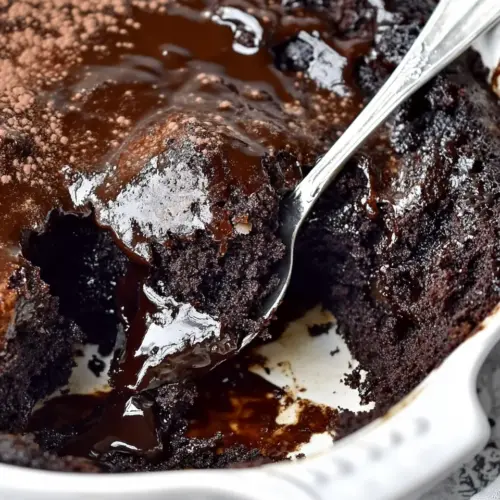
Hot Fudge Chocolate Pudding Cake
Hot Fudge Chocolate Pudding Cake delivers a lusciously gooey sauce beneath a tender cake, creamy and deeply chocolatey with simple pantry ingredients. This easy, comforting dessert is perfect for weeknight treats or cozy gatherings, combining molten texture and warm chocolate aroma for an irresistible finish. Make it when you want an impressive yet effortless dessert that everyone will request again.
Equipment
- 9-inch square baking pan
- Kettle
- Whisk
- Mixing Bowl
Ingredients
- 1 cup all-purpose flour or plain flour Provides structure and bulk to the cake batter, helping create a tender crumb when combined with wet ingredients and properly mixed. Acts as the primary source of gluten when kneaded or mixed, which gives the cake its framework and texture. Balances moisture absorption to ensure the cake sets without becoming dense.
- 1/2 cup white granulated sugar Adds sweetness and helps with caramelization and browning during baking, contributing to the cake’s overall sweetness profile. Assists in tenderizing the crumb by interfering with gluten formation when creamed with fats or mixed into batter. Dissolves into the batter to evenly distribute sweetness and influence moisture retention.
- 1/4 cup cocoa powder Contributes deep chocolate flavor and color while providing a dry, powdery component that helps balance wet ingredients. Enhances the overall chocolate intensity of the cake without adding extra sweetness. When combined with liquids, helps form a smooth cocoa dispersion for consistent taste.
- 2 teaspoons baking powder Leavens the batter by releasing carbon dioxide during baking, creating lift and a light crumb structure. Reacts with wet ingredients to produce bubbles that expand in the oven, improving texture and volume. Also helps balance acidity and can slightly affect flavor and browning.
- 1/4 teaspoons salt Enhances flavor balance by heightening sweetness and controlling fermentation of leavening agents, while also strengthening gluten slightly. Helps bring out other flavors and ensures the batter tastes rounded rather than flat. Small amounts avoid a salty taste but improve overall complexity.
- 3/4 cup milk Hydrates dry ingredients and provides liquid needed for batter formation, dissolving sugars and allowing leavening agents to activate. Adds richness and contributes to the cake’s moistness and mouthfeel. Works as a carrier for flavors like vanilla and helps create steam for oven lift.
- 1/4 cup unsalted butter melted Adds fat to enrich the cake, promoting tenderness and a softer crumb while contributing a subtle buttery flavor when melted into the batter. Helps coat flour proteins to limit gluten development, resulting in a more tender texture. Aids in moisture retention and improves mouthfeel.
- 1 teaspoon pure vanilla extract Imparts a sweet floral or vanilla aroma and flavor that enhances the overall taste profile and rounds out chocolate notes. Blends easily into the batter and helps mask any egg or dairy flavors that might otherwise dominate. Small amounts amplify other flavors without adding bulk.
- 1/2 cup white granulated sugar Contributes additional sweetness and aids in caramelization, helping to create a richer, sweeter sauce or cake surface when baked. Works with brown sugar to create depth of flavor and affects moisture and texture by dissolving into the batter or sauce layer. Helps balance bitterness from cocoa.
- 1/2 cup light brown sugar packed Provides deep, molasses-like sweetness and moisture, adding complexity and a slight chewiness to the cake or sauce. Enhances color and gives a nuanced, caramelized flavor that pairs especially well with chocolate. Packs tightly to ensure consistent measurement and predictable sweetness.
- 3 tablespoons cocoa powder I like unsweetened cocoa powder. See notes. Boosts intense chocolate flavor and creates a darker, fudgier sauce when combined with sugars and hot liquid; unsweetened varieties intensify cocoa taste without adding sweetness. Adds dry chocolate mass that dissolves into boiling water to form the hot fudge element. Helps balance sweetness from sugars and rounds out chocolate depth.
- 1 -1/4 cups boiling water Provides hot liquid needed to dissolve cocoa and sugars, creating the sauce that forms beneath the baked cake and a moist fudgy layer. Adds heat to activate melting and infusion of flavors, producing the signature hot fudge texture. Also helps bloom cocoa for richer chocolate aroma and appearance.
Instructions
- Preheat oven to 350°F (175°C). Lightly grease a 9-inch square baking pan*. Pre-boil water in a kettle while preparing cake.: The warm oven gives you consistent rising and golden edges, and greasing the pan prevents sticking so the cake releases smoothly. You should feel a small hum of heat as you open the oven, and the smell of warm metal is reassuring. If the oven is cooler than indicated, the cake will bake slower and the pudding may be overly loose; use an oven thermometer for accuracy.
- Combine 1/2 cup granulated sugar with the flour, cocoa powder, baking powder and salt. Add in the milk, butter and vanilla; whisk until smooth and fairly lump free.: Having boiling water ready ensures the sauce forms immediately when poured, preserving the contrast between the batter and the pudding. The kettle's whistle is a useful cue that you are ready for the step. If the water is not fully boiling, the sauce may be less glossy and not as fully dissolved, so keep it at a rolling boil until use.
- Pour the batter into prepared baking pan or dish and spread evenly.: The dry mix should smell faintly of cocoa and have a light, dusty texture as you whisk. Doing this first distributes leavening and cocoa, preventing pockets of taste or uneven rise. A common pitfall is underwhisking which leads to lumps or uneven flavor, so break up any clumps with a fork or sieve.
- Combine together the remaining 1/2 cup white sugar, brown sugar and remaining 3 tablespoons cocoa powder. Evenly sprinkle mixture over the batter. Slowly pour the boiling water over the top (DO NOT STIR OR MIX INTO THE BATTER. ALLOW THE WATER TO SIT ON TOP).: The batter should be glossy and pourable, with the aroma of warm butter and chocolate brightened by vanilla. Vigorously whisking creates a silken batter without overworking the gluten. Overmixing can toughen the cake, so stop once the batter looks homogeneous and slightly thick but still ribbon like when lifted with a spoon.
- Bake 35 minutes or until the centre is almost set. Remove from oven. Allow to cool for 15 minutes.: As you smooth the batter, it should level out and form an even surface. The batter will look slightly glossy and set the stage for an even cake rise. Bumping the pan on the counter a few times releases large air bubbles, but avoid aggressive shaking that can deflate the batter.
- Serve in dessert dishes with ice cream or whipped cream, and spoon fudge sauce from the bottom of pan over top of each serve of cake.: This topping blend should smell more robustly chocolatey and slightly caramel like from the brown sugar. Evenly distributing these dry ingredients over the batter ensures the sauce forms uniformly beneath the cake. If you pile the mixture in one spot, the pudding will be uneven, so sprinkle carefully for consistent results.
- Evenly sprinkle mixture over the batter.: As the sugar and cocoa settle on the batter, they create a thin layer that will dissolve into the sauce when the boiling water is added. The visual is a dusty chocolate blanket covering the pale batter, and it helps to use the back of a spoon to spread if needed. Avoid stirring it in, as mixing will ruin the separation that creates the pudding layer.
- Slowly pour the boiling water over the top (DO NOT STIR OR MIX INTO THE BATTER. ALLOW THE WATER TO SIT ON TOP).: You will hear a soft hiss as the water hits the dry topping, and the aroma of hot chocolate intensifies. This step dissolves the topping and causes the heavier syrup to sink during baking, forming the pudding below. Stirring now will incorporate the water and prevent the layered texture, so resist the urge to mix.
- Bake 35 minutes or until the centre is almost set.: The oven will fill with a deep chocolate scent, and the cake top should look set and slightly springy while the centre remains just a touch jiggly. This borderline doneness is important because residual heat finishes the pudding without drying it. Overbaking will dry out the cake and reduce sauce, so check at the lower end of the time range and trust the visual cues.
- Remove from oven. Allow to cool for 15 minutes.: Cooling lets the pudding thicken slightly and makes serving easier. As it rests you will notice the sauce settling and the steam calming, which helps concentrated flavors develop. Cutting or serving too hot can lead to a runnier presentation, so patience yields the ideal saucy texture.
- Serve in dessert dishes with ice cream or whipped cream, and spoon fudge sauce from the bottom of pan over top of each serve of cake.: The first spoonful should pair the warm, glossy sauce with cold, creamy ice cream for a satisfying contrast of temperature and texture. Spoon from the pan carefully so each portion gets both cake and sauce. A common mistake is scooping from the top only, missing the luscious sauce hiding below, so dig slightly to capture both layers.
Notes
- Choose your cocoa: Swap between a dark cocoa and a regular unsweetened cocoa to tune bitterness and richness, noting that darker cocoa makes a more intense, slightly bitter sauce while regular cocoa yields a milder, sweeter profile.
- Serve with cold contrast: Add a scoop of vanilla or coffee ice cream just before serving to create a pleasing temperature contrast that smooths the rich sauce and balances sweetness.
- Try a different pan size: Use shallow wider dishes listed in the notes if you prefer thinner cake and more sauce per serving, remembering to adjust bake time slightly as thinner layers finish sooner.
- Adjust sugar to taste: If you prefer less sweetness, reduce the white sugar in the topping by a tablespoon, but keep the brown sugar to maintain that molasses depth which is central to the sauce.
- Make ahead notes: Bake and cool fully, then rewarm briefly in the oven before serving; this helps the sauce loosen again while preserving structure, making it convenient for hosting.