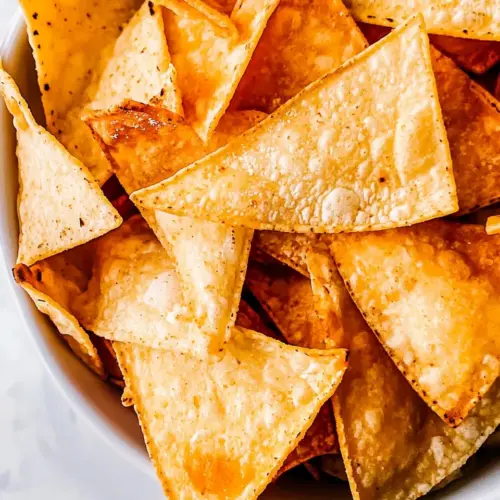
Homemade Tortilla Chips
Homemade Tortilla Chips are crispy, crunchy, and easy to make from just corn tortillas, canola oil, and Kosher salt. These quick chips deliver addictive texture and toasty corn flavor, perfect for an easy party snack or an easy weeknight appetizer. Make a batch and you ll see why they re worth the few minutes at the stove.
Equipment
- Cast-Iron Skillet
Ingredients
- 14 corn tortillas Provide pliable, freshly made or store-bought corn tortillas as the base for homemade chips; they determine texture and authenticity with their corn flavor and flexibility. Cut into wedges and fry or bake until crisp to achieve the characteristic crunch and slightly toasted edges. Store in an airtight container after cooling to maintain crispness and prevent staling.
- 1 1/4 cups canola oil Coat the tortillas evenly in hot canola oil to fry or shallow-fry until golden brown and crisp; oil temperature control prevents sogginess and reduces oil absorption. Offer a neutral flavor and high smoke point that yields a clean, non-greasy finish and consistent frying results. Reuse or strain leftover oil cautiously and store properly if planning to fry again.
- Kosher salt Season to taste with kosher salt immediately after cooking to enhance the corn flavor and provide balanced savory notes; coarse crystals deliver a pleasant crunch and more even distribution when sprinkled while chips are hot. Adjust quantity based on preference and serve alongside dips for complementary seasoning.
Instructions
- Slice each tortilla to make 6 wedges.: Right away you will notice the clean paper like sound as a knife or pizza cutter slices through each corn tortilla . The thin, triangular wedges allow hot oil to reach every surface quickly, which is why we cut them this way. Aim for consistent wedges so they fry evenly, and be careful to avoid uneven thickness which can cause some pieces to burn while others stay soft. A common slip here is cutting unevenly, so take a steady hand and a sharp knife.
- Heat the canola oil in a large cast-iron skillet set over medium-high heat.: As the canola oil warms, you will see a slight shimmer on the surface and the aroma will be almost neutral, with a faint sweet note as it reaches frying temperature. Using a large cast iron skillet gives you consistent heat distribution which helps each wedge brown uniformly. Don t let the oil smoke, that means it is overly hot and will give a bitter flavor. The trouble to avoid is overcrowding the pan too soon, which drags the temperature down and produces greasy chips.
- Test the oil by dipping a tortilla wedge in the oil. If it sizzles, the tortillas are ready for frying.: The test reveals everything, because a clear sizzling means the oil is hot enough to create an instant crust. When you dip a corner, you should hear a lively sizzle and see tiny bubbles form around the wedge, indicating proper frying action. If the oil only gently bubbles or the wedge sinks and becomes saturated, the temperature is too low. A common mistake is skipping this test and ending up with soggy chips, so always listen for that lively sizzle.
- Place about 10 tortilla wedges at a time into the hot oil, fry the tortillas, flipping once, until golden brown on both sides and crispy. This will go fast!: You will hear a chorus of brisk sizzling as the wedges hit the pan and edges curl slightly. Look for tiny golden flecks and a uniform change from pale to a warm, golden tan; that visual cue is the sign of Maillard browning where the flavor deepens. Use tongs to flip gently once, catching any pieces that try to fold. Avoid leaving them unattended, because they can go from golden to burnt in seconds. If they seem limp after frying, your oil was likely too cool or you crowded the pan, so fry smaller batches next time.
- Transfer the chips to a plate or sheet pan lined with paper towel and immediately sprinkle with salt.: As you lift each batch out, the hot oil will still glisten on the chips, and the residual heat helps the Kosher salt dissolve and stick. The aroma at this point is warm toasted corn with a whisper of oil, and the crunch will be audible when you test one. Place them in a single layer so steam does not build and soften the chips. A frequent misstep is piling hot chips on top of each other which traps steam and ruins the crispness, so spread them out and salt immediately.
Notes
- Baked option: Arrange wedges in a single layer on a lined sheet, brush lightly with oil, and bake to crisp for a lower oil profile while still achieving a satisfying crunch.
- Air fryer approach: Toss wedges with a touch of oil, place in a single layer, and air fry for a quick, hands off method that yields a similar snap with less oil.
- Seasoning after fry: Salt immediately, and for variation add a dusting of smoked paprika or ground cumin to introduce a subtle smoky or earthy note.
- Oil control: Use a shallow pool of oil in a heavy skillet rather than deep frying to reduce oil use while still getting full coverage and an even crisp.
- Storage tip: Once cooled completely, store chips in an airtight container for up to two days to maintain crunch, but avoid sealing while warm to prevent condensation.