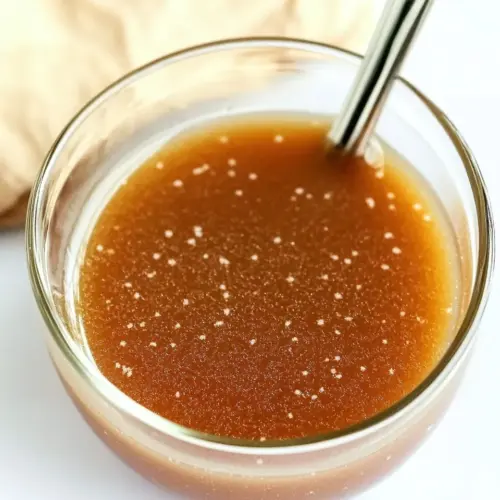
Homemade Stir Fry Sauce
Homemade Stir Fry Sauce is a glossy, savory sweet condiment that brings creamy mouthfeel and bright notes to quick weeknight meals. This easy, versatile mix of low sodium soy sauce, brown sugar or honey, sesame oil, rice vinegar, and cornstarch makes an effortless glaze for vegetables and meat, perfect for simple, fast dinners and meal prep. Keep a jar in the fridge for instant flavor uplift.
Equipment
- Jar
- Small Bowl
- Whisk
- Measuring Cups
Ingredients
- 1/4 cup low-sodium soy sauce Adds a salty, umami backbone to the sauce and balances sweet and acidic notes; contributes depth and savory complexity. Use low-sodium to control overall saltiness and keep flavors rounded without overpowering other ingredients.
- 1/4 cup water Dilutes and balances the concentrated flavors, helping achieve the desired sauce consistency and prevent it from becoming too intense. Provides a neutral base that lets other ingredients shine while aiding even cooking and glazing.
- 3 tablespoons packed brown sugar or honey Sweetens and counteracts the soy’s saltiness while adding a subtle caramel-like richness; packed brown sugar gives molasses undertones, while honey adds floral complexity. Helps create a glossy finish and promotes caramelization when the sauce is heated.
- 1 teaspoon sesame oil Contributes a toasty, nutty aroma that enhances overall flavor complexity and provides a subtle finishing note; a small amount goes a long way. Adds richness and depth without making the sauce taste overtly oily.
- 2 teaspoons rice vinegar Provides bright acidity that cuts through richness and balances sweet and salty components; rice vinegar brings a mild, slightly sweet tang. Enhances freshness and helps the sauce cling to vegetables and proteins.
- 2 teaspoons cornstarch Thickens and stabilizes the sauce when heated, producing a glossy, clingable texture that coats stir-fry ingredients evenly. Mix with cold water first for a smooth slurry to prevent lumps and achieve the desired consistency quickly.
Instructions
- Combine all ingredients in a jar and shake OR whisk together in a small bowl or a glass measuring cup.: The aroma is immediate, with the toasty note of sesame oil rising first and the sweet, molasses scent from the brown sugar following. Shaking in a jar emulsifies the tiny bit of oil into the aqueous mix so it disperses uniformly, creating a smooth mouthfeel. When whisking, you will see the sugar dissolve and the surface become slightly glossy. A common mistake is not dissolving the sugar fully, which leaves gritty pockets, so stir or shake until it looks homogenized. If your cornstarch seems clumpy, preblend it with the water first to avoid lumps. The visual cue is a silky, uniform mixture with no visible granules, and the tool you choose changes texture slightly, with shaking often producing a slightly frothier top.
- Store in the fridge or use immediately, by adding to sauteed veggies and meat. Simmer until the sauce thickens.: Once made, the sauce will sit clear and smooth in the fridge, and chilling helps flavors meld, softening sharper edges while integrating the sweetness and acidity. If using immediately, add it to hot, recently sautéed vegetables or meat off direct high heat to avoid burning the sugars. A frequent slip is pouring the sauce into a pan that is too cool, which results in it not bonding to the food, or into a pan that is too hot, which can scorch the sugars. The right moment is when vegetables are just tender crisp and proteins are nearly cooked through, so the sauce adds finish rather than cooks away. The sound you want to hear is a gentle sizzle as the sauce hits the pan, and the color should deepen slightly as it warms.
- Simmer until the sauce thickens: As the mixture warms, the cornstarch activates, thickening the liquid into a glossy glaze. You will notice the sauce go from runny to clingy, coating a spoon with a glossy film. This change happens quickly, often in a minute or two, and the smell becomes richer as flavors concentrate. Avoid over simmering, which can make the sauce gummy or reduce it to a syrup that tastes too sweet. Stir constantly during this moment to keep heat even and to prevent the cornstarch from settling and creating an uneven texture. If it thickens too much, thin it with a splash of water, adding a little at a time until it reaches the consistency that nicely coats your food.
- Combine all ingredients in a jar and shake OR whisk together in a small bowl or a glass measuring cup: When I make a fresh batch, I often repeat a quick shake even after chilling to re emulsify any separated oil. The sensory experience is the reassuring click of the jar lid and the immediate release of aroma when you open it, signaling readiness. If you are whisking after storage, the sound of the whisk and the gradual smoothing of the surface indicate that the mixture has recombined. A pitfall is forgetting to reseal the jar tightly, which can lead to accidental spills or the sauce absorbing other fridge odors. Aim for a silky texture and even color before using.
- Store in the fridge or use immediately, by adding to sauteed veggies and meat: For storage, keep the sauce in an airtight container and label it with the date. Over time the sesame oil can darken and the flavors mellow, which is pleasant for some dishes but may be too subdued for others. Use within a week for best vibrancy. When reheating, warm gently to avoid breaking the texture or overheating the sweeteners. A common mistake is leaving it at room temperature for days, which risks spoilage, so refrigeration is key. The texture after chilling should still be pourable, and if slightly thicker, a small shake or stir will restore pourability.
- Simmer until the sauce thickens: The final finish is all about timing. As you simmer briefly with the food, watch the sauce transform into a glossy coating that clings to strands of vegetables and pieces of meat . The visual cue is a sheen that does not simply pool but adheres to the food, and you will hear a steady, happy sizzle as moisture is carried off and the glaze sets. Avoid leaving it in the pan too long, which can caramelize the sugars unpleasantly, altering flavor balance. The ideal outcome is vibrant, coated ingredients that glisten and carry an integrated sweet savory note on every bite.
Notes
- Swap the sweetener: Use honey in place of brown sugar for a floral note, and remember to reduce heat slightly when finishing to prevent burning the sugars.
- Adjust acidity: Increase or decrease the amount of rice vinegar to brighten or mellow the sauce, tasting as you go so you keep balance.
- Thickness control: For a thinner sauce, use less cornstarch or dilute with a splash more water; for a thicker glaze, mix a touch more cornstarch with water and whisk in while hot to avoid lumps.
- Flavor boost: Toast the sesame oil briefly in the pan with your aromatics to amplify its nuttiness, but do this just for seconds to prevent burning.
- Make ahead: Store the sauce up to a week in the fridge; I label jars with the date so I can track freshness and maintain consistent results.