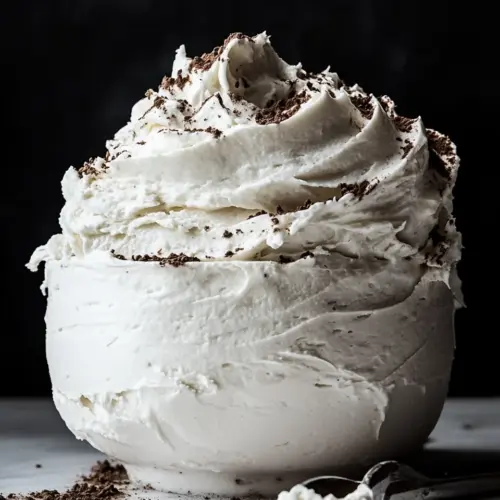
Healthy Frosting
Healthy Frosting is a creamy, lighter chocolate topping made with coconut oil, maple syrup, dark cocoa powder, and unsweetened applesauce. It yields a glossy, spreadable texture that is perfect for cupcakes and sheet cakes, offering a quick healthier alternative to traditional frostings for easy weeknight desserts and gatherings.
Equipment
- Large Mixing Bowl
- Whisk or spatula
- Refrigerator
Ingredients
- 1/2 cup coconut oil melted Melted to provide a smooth, spreadable fat that helps create a glossy, creamy frosting texture and adds richness without dairy. It also firms up when chilled, giving the frosting structure and stability for piping or spreading.
- 3 tablespoons maple syrup Sweetens naturally while contributing a subtle caramel complexity and liquid balance that helps dissolve cocoa and combine ingredients evenly. It also keeps the frosting softer and scoopable at cooler temperatures compared with granulated sugars.
- 1/2 cup cocoa powder I used dark cocoa powder Adds deep chocolate flavor and intense color while keeping the frosting low in sugar and dense in cocoa solids for a rich taste. It also absorbs some liquid from the applesauce and maple syrup, helping to thicken the mixture to a cohesive spreadable consistency.
- 1 cup unsweetened applesauce * see notes Provides bulk and moisture while supplying natural sweetness and a smoother mouthfeel that reduces the need for additional liquids. It helps create a creamy body for the frosting and contributes to a lighter texture compared with butter or cream bases.
Instructions
- In a large mixing bowl, combine your coconut oil, maple syrup, and cocoa powder. Mix until a glossy liquid chocolate texture remains. Add your unsweetened applesauce. Start with 1 cup and, depending on what texture you are after, increase.: The bowl will smell faintly of coconut and cocoa as the ingredients come together, with the syrup adding a warming sweetness scent. Use a whisk or flexible spatula to break up any dry pockets of cocoa powder , and you should see a shiny, cohesive mixture that drapes off the whisk in ribbons. The glossy appearance indicates the oil is well emulsified with the syrup, which makes the frosting spreadable and visually appealing. If you hear scraping sounds as you whisk, that is normal; the mixture thickens slightly as you work. The purpose of this step is to fully hydrate the powder and integrate the sweetener so there are no gritty bits. One common misstep is adding the applesauce too early or mixing too aggressively, which can create a soupy texture. If the mixture seems grainy, let it rest for a minute then whisk again to smooth it out.
- Refrigerate for at least 20 minutes to thicken slightly. If you need to use it immediately, add a teaspoon or two of cornstarch, or as needed.: When you fold in the unsweetened applesauce , you will notice the aroma shifts toward a fruitier, lighter profile and the color may lighten slightly. The applesauce brings body and moisture, transforming the glossy liquid into a thicker, scoopable frosting. Stir gently until the applesauce is fully incorporated and the surface takes on a velvety sheen. The reason this step matters is it balances fat with water content, creating structure without heavy dairy. A sensory cue to watch for is the way the mixture holds shape on a spoon; it should form a soft peak but not be runny. A frequent error is adding too much applesauce at once which can make the frosting loose, so add incrementally and test spreadability. If it becomes too thin, chill briefly to firm up or add a touch more cocoa powder to absorb excess moisture. This stage benefits from a patient hand, gentle folding, and tasting as you go.
- Refrigerate for at least 20 minutes to thicken slightly: After chilling, the frosting will firm up as the coconut oil cools, and you will notice a more matte finish with a denser feel under the stirring spoon. The cold temperature helps it hold peaks and makes spreading onto cakes or piping onto cupcakes much easier. Sensory signs include a cooler touch and a quieter, less glossy surface. This step matters because it stabilizes the texture without adding extra ingredients, preserving the clean flavor. Avoid leaving it in the fridge for too long and then attempting to overwork it at room temperature, which can cause separation. If the frosting becomes too solid to spread, let it sit at room temperature for a few minutes and then whip briefly to restore spreadability.
- If you need to use it immediately, add a teaspoon or two of cornstarch, or as needed: Cornstarch absorbs excess moisture and helps the frosting set faster when chilling time is not available, and you will see the mixture thicken almost immediately after stirring it in. The texture will become slightly more velvety, and the taste remains neutral if you use just a small amount. The reason to use cornstarch is practical, it mimics the thickening effect of time in the fridge. A pitfall is adding too much cornstarch, which can make the frosting chalky, so incorporate sparingly and test. When using this shortcut, taste for balance because the absorption can mute sweetness, and adjust with a drop of maple syrup if necessary.
Notes
- Boost chocolate intensity by using dark cocoa powder or adding an extra tablespoon of cocoa for a deeper, more bittersweet note.
- Sweeter finish can be achieved by increasing the maple syrup by a teaspoon at a time, tasting as you go to avoid oversweetening.
- Firmer set is possible by chilling longer or adding a small pinch of cornstarch to absorb moisture and speed up thickening.
- Lighter spread comes from adding a touch more applesauce, which will thin the frosting and make it drippier for glazes.
- Texture variation can be created by briefly whipping the mixture after chilling to incorporate tiny air pockets and produce a fluffier topping.