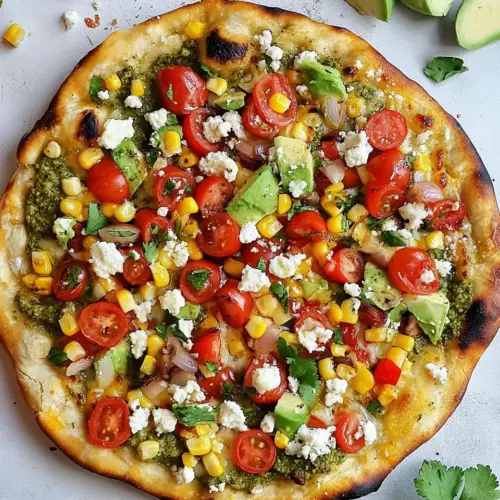
Grilled Corn and Chipotle Pesto Pizza with Queso Fresco
Grilled Corn and Chipotle Pesto Pizza with Queso Fresco combines smoky grilled corn and peppers with a creamy, herbaceous chipotle pesto and melty cheddar cheese. Its a crispy, flavorful dish perfect for an easy weeknight dinner or a summer gathering, offering crunchy kernels, bright herbs, and cool finishing toppers that keep each bite exciting and balanced.
Equipment
- Grill
- Food Processor
- Oven
- Baking Sheet
- Cast-Iron Skillet
Ingredients
- 4 inchipotle peppers adoboremove seeds for less heat if desired Blend chipotle peppers adobo into a smoky, spicy paste to infuse the pesto with deep, complex heat; remove seeds to moderate the intensity and adjust to taste. Use sparingly while combining with herbs and oil to ensure the flavor complements rather than overwhelms the pizza.
- 1/2 cup fresh cilantro Chop fresh cilantro finely to provide a bright, herbaceous lift that balances the richness of cheeses and corn; incorporate into the chipotle pesto for a fresh contrast. Preserve some leaves for garnish to add a pop of green and aroma on the finished pizza.
- 1/2 cup fresh basil Tear or chiffonade fresh basil to contribute sweet, aromatic notes that enhance the pesto’s flavor profile; combine with cilantro for a hybrid pesto with familiar Italian character. Use fresh leaves to maintain vibrant color and fragrance that stands up to grilling heat.
- 3 tablespoon pine nuts Toast pine nuts lightly to deepen their nutty flavor and add textural richness to the pesto; pulse into the herb mixture to help create a creamy emulsion. Monitor closely while toasting to avoid burning, which would impart bitterness.
- 2 cloves garlic Crush garlic cloves to release pungent, savory oils that build the backbone of the pesto; mince or grate before blending with herbs and oil for even distribution. Adjust quantity to taste, as garlic intensity mellows slightly when cooked on the pizza.
- 1/2 cup queso frescocrumbled Crumble queso fresco to add a mild, slightly tangy creaminess that contrasts the smoky chipotle and sharp cheddar; sprinkle over the finished pizza for soft, melting pockets. Use fresh crumbles to maintain a delicate texture that complements roasted corn.
- 1/3 cup olive oil Whisk or drizzle olive oil into the pesto to create a smooth, cohesive sauce that carries the flavors across the dough; use measured amounts to achieve spreadable consistency. Choose good-quality extra-virgin olive oil for the best aroma and mouthfeel.
- salt and pepperto taste Season with salt and pepper to enhance and balance all components, bringing out sweetness from corn and depth from cheeses; adjust gradually and taste as you go. Use freshly ground pepper and fine salt for optimal flavor control.
- 1 batch of [your favorite pizza dough |https://www.halfbakedharvest.com/whipped-feta-and-roasted-jalapeno-greek-pizza/] Prepare one batch of your favorite pizza dough as the foundational base, shaping it to hold toppings and develop a crisp crust; follow the linked recipe for guidance if desired. Allow the dough to rest and come to room temperature to improve stretchability and oven performance.
- 3 ears of cornhusked Grill or roast three ears of corn to develop sweet, charred kernels that provide smoky sweetness and texture; husk and cook until lightly blackened for the best flavor. Cut the kernels off the cob after cooling and distribute evenly over the pizza.
- 1 red pepper Slice red pepper into strips or dice to introduce sweet, roasted flavor and vibrant color; char on the grill alongside corn for added smokiness. Layer onto the pizza to add crunchy, juicy contrast to melted cheeses.
- 1 onionpeeled and quartered Quarter and grill the peeled onion to bring out caramelized sweetness and savory depth; toss the caramelized pieces on the pizza for mellow complexity. Use the grilled onion to complement the peppers and corn without overpowering the herbal pesto.
- 2 jalapeno peppers Seed and slice two jalapeno peppers to deliver fresh heat and bright green flavor; grill or use raw depending on preferred spice level. Adjust quantity or remove seeds to control piquancy and layer thin for even distribution.
- 1 tablespoon olive oil Brush with one tablespoon olive oil to lightly coat vegetables or dough, promoting browning and preventing sticking while grilling or baking. Use oil sparingly to avoid soggy dough and to help toppings crisp and caramelize.
- 1 tablespoon buttersoftened Soften one tablespoon butter to enrich vegetables or brush onto crust edges for a golden, slightly savory finish after baking; incorporate into grilled veggies or melt over hot pizza. Use softened butter for easy spreading and even flavor coverage.
- 1 glove garlicminced or grated Mince one clove garlic to add a concentrated hit of savory aromatics to the vegetable mix or finish sauce; mix into butter or oil for brushing the crust. Minced garlic provides immediate flavor that mellows slightly when heated.
- 1/2 teaspoons moked paprika Sprinkle 1/2 teaspoon smoked paprika to introduce warm, smoky notes that echo the chipotle and grilled corn; distribute evenly through vegetable seasoning for cohesion. Use smoked paprika to layer flavors without adding heat.
- 1/4 teaspoons alt Add 1/4 teaspoon salt to season the vegetable mixture or dough edge, enhancing natural sweetness and balancing the pizza’s overall profile; measure carefully to avoid oversalting. Combine with other seasonings to achieve a rounded flavor.
- 1/4 teaspoon pepper Season with 1/4 teaspoon pepper to contribute subtle spiciness and aromatic lift to the veggies and cheeses; grind fresh for more pronounced flavor. Use alongside salt and smoked paprika to create a balanced seasoning blend.
- 1 1/2 cups sharp cheddar cheesefreshly grated Grate 1 1/2 cups sharp cheddar cheese to provide bold, tangy richness and excellent melting characteristics that bind the toppings; sprinkle evenly for gooey coverage. Combine with queso fresco for a mix of creaminess and sharp flavor.
- 8 ounces queso frescocrumbled Crumble 8 ounces queso fresco to add extra light, milky saltiness and creamy pockets that contrast melted cheddar; scatter across the pizza to maintain delicate texture. Use more or less depending on preference for fresh cheese presence.
- 1 1/2 cups cheery tomatoesquartered Quarter cherry tomatoes to contribute bursts of juicy acidity and bright sweetness that cut through cheese and smoky elements; place atop after baking for fresh contrast or before for roasted flavor. Choose ripe tomatoes for maximum flavor impact.
- 1 avocadodiced Dice one avocado to provide creamy, buttery texture and mellow flavor that complements spicy and tangy components; add as a cool garnish after baking to prevent browning and preserve texture. Toss gently with a squeeze of lime or salt if desired.
- fresh cilantrofor garnish Garnish with fresh cilantro leaves to finish the pizza with aromatic brightness and a visual pop of green; scatter leaves just before serving to maintain freshness. Use whole leaves or chopped sprigs depending on presentation preference.
Instructions
- Prepare dough 1-2 hours ahead of time. Preheat grill to the highest setting. Shuck corn ears and brush each with olive oil and sprinkle with pepper. Wrap each in a square of aluminum foil, just so there is one layer covering the corn. Brush the red pepper, onion and jalopeno peppers with olive oil and a sprinkle of salt. Wrap the onion in a sheet of foil just like you did for the corn. Grill for about 5 minutes each side. Rotating the corn 4-5 times, the onion 3 times and pepper 2 times during grilling. I grilled the corn and onion for a total of 30 minutes and I took the peppers off the grill after the first 15 minutes.: The dough should be slightly relaxed and warm, which helps it stretch easily and develop an airy, tender crumb. You will feel the dough give under your fingertips, slightly tacky but not sticky; when you press a finger into it, the indentation should slowly bounce back, which signals proper proofing. Give yourself extra time because rushed dough resists stretching and produces a tight, dense crust. A common misstep is letting dough overproof, which leads to large irregular holes and collapse in the oven.
- While the corn onions and peppers are grilling make the pesto. In the bowl of a food processor combine the chipotle peppers, cilantro, basil, pine nuts and garlic. Pulse until combined and add the crumbled queso fresco. With the machine running stream in the olive oil and then season with salt and pepper.: A very hot grill creates instant char and caramelization on the vegetables without drying them out. You should hear sharp sizzling when vegetables hit the grates and see quick blistering and blackened spots that translate into smoky flavor. If the grill isn t hot enough, vegetables will steam and lack that desirable char, so wait until the grates are shimmering with heat before you start.
- Remove the peppers from the grill, when the corn and onions are ready remove those. Allow the vegetables to cool 5 minutes. Combine the butter, garlic, smoked paprika, salt and pepper in a medium size bowl. Peel the skin away from the peppers and de-seed the red pepper and the jalopeno pepper - if desired. Slice the peppers and onion into thin strips. Using a knife cute the corn away from the husk and toss in the bowl with the paprika butter.: Brushing corn with olive oil helps the kernels blister and prevents sticking, while a light dusting of pepper adds a savory edge. When you brush, the kernels should shine and feel slick; on the grill you ll hear a light sizzle. Avoid using too much oil, which causes flare ups and greasy spots on the pizza later.
- Preheat oven to 400 degrees F.: The foil keeps the corn moist while still allowing steam to escape enough for char to form, producing tender yet slightly smoky kernels. You should see some condensation inside the foil after grilling, which denotes retained juiciness. A frequent mistake is double wrapping tightly, which traps too much steam and prevents charring.
- Divide the dough in half and place each portion of dough on baking sheets (or pizza peel or pizza stone) and form into the shape you desire. Or you can also make one large pizza. Evenly spread the pesto over top of both pizzas and then place the red pepper and onion over top both pizzas. Evenly distribute the cheddar cheese between both pizzas and then add the corn to both. Top each pizza with 1 jalapeno pepper and and an even amount of queso fresco.: Light oil and salt promote browning and flavor development on the grill. The vegetables should glisten and smell faintly sweet as they cook; salt helps draw out sugars for caramelization. Be cautious not to over-salt, because later cheeses and condiments will increase overall saltiness.
- Bake for 25-30 minutes, until cheese is golden and bubbly. Remove and cover each pizza with the chopped cherry tomatoes, diced avocado and frech cilantro.: The onion benefits from partial shielding, which allows its interior to soften while its outer layers char. You ll notice the onion becoming translucent and tender when pierced with a fork. Avoid wrapping too tightly, which can make the onion soggy instead of sweet and soft.
- You can also make this pizza using the [cast iron skillet method |https://www. halfbakedharvest. com/green-olive-pesto-pizza-with-roasted-red-peppers-and-feta-stuffed-crust/].: Quick rotations let all sides touch the grate and develop even char, so turn vegetables to distribute heat. You should hear consistent sizzling and see defined grill marks that deepen and darken during each rotation. A common error is letting items sit too long without checking, resulting in uneven charring or burnt spots.
- Rotate the corn four to five times, the onion three times and pepper two times during grilling: Frequent rotation ensures even exposure to flame and prevents one side from burning. The corn will darken in patches and smell nutty; the onion will yield and sweeten, and the peppers skins will blister and collapse. Rushing this step leads to raw centers or overly burnt exteriors.
- I grilled the corn and onion for a total of 30 minutes and I took the peppers off the grill after the first 15 minutes: Longer grilling mellows and softens dense vegetables like corn and onion , while peppers become tender more quickly. You will see the corn kernels slightly shriveled with brown marks and the onion softened through. Removing peppers earlier keeps them from becoming overly charred and bitter.
- While the corn onions and peppers are grilling make the pesto: Making the pesto while vegetables grill saves time and infuses fresh aromas into the kitchen. In a food processor, pulses will break down the herbs into a lively paste; you should smell a burst of herbal and smoky notes as ingredients combine. Processing too long can cause the herbs to heat and darken, so pulse and monitor color.
- In the bowl of a food processor combine the chipotle peppers cilantro basil pine nuts and garlic: Pulse to build texture so the mixture is cohesive but not a puree. You want visible bits of pine nuts and flecks of herbs, which add pleasant mouthfeel. Over-pureeing makes an overly slick sauce that lacks character.
- Pulse until combined and add the crumbled queso fresco: Adding the queso fresco integrates creaminess that tempers heat and helps bind the pesto. The aroma will shift from sharp herbs to a rounded, savory fragrance. Don t skip this step, because the cheese balances the chipotle s intensity.
- With the machine running stream in the olive oil and then season with salt and pepper: Streaming olive oil creates an emulsion so the pesto spreads smoothly; you should see a glossy texture. Taste and adjust seasoning carefully, because this sauce directly flavors the pizza base. If you over-salt here, the finished pizza may become too salty after cheeses are added.
- Remove the peppers from the grill when the corn and onions are ready remove those: Letting the grilled vegetables rest briefly concentrates flavor and cools them for handling. Resting for about five minutes also stabilizes juices so they won t run off the pizza and make it soggy. A mistake is trying to chop piping hot vegetables, which makes them slip and can steam the crust when assembled.
- Allow the vegetables to cool five minutes: This brief cooling period makes them easier to peel and slice, and helps avoid melting the cheeses prematurely when assembled. You will notice the steam recede and the vegetables become easier to handle. Skipping this step risks soggy or overcooked cheese.
- Combine the butter garlic smoked paprika salt and pepper in a medium size bowl: This seasoned butter adds a smoky, savory gloss to the corn and vegetables, elevating the flavor beyond simple grilled notes. The aroma will be warm and fragrant; mix until smooth. If the butter is too cold it won t blend evenly, leaving clumps.
- Peel the skin away from the peppers and de-seed the red pepper and the jalopeno pepper if desired: Removing skins and seeds yields tender, milder peppers that play well on pizza. The skins should lift easily after blistering; use a knife to coax stubborn pieces away. Leaving seeds in can spike heat considerably for sensitive eaters.
- Slice the peppers and onion into thin strips: Thin strips distribute flavor evenly and cook through quickly once on the pizza. You should see uniform pieces that will lay flat and roast consistently. Irregular pieces cause some bites to be undercooked or overly charred.
- Using a knife cute the corn away from the husk and toss in the bowl with the paprika butter: Cutting kernels off the cob yields juicy bursts that add sweet crunch. Tossing them with the spiced butter amplifies their savory character and ensures each kernel is seasoned. Avoid scraping the cob too hard or you ll release starchy bits that muddy the texture.
- Preheat oven to 400 degrees F: A 400 degree F oven crisps the crust and melts the cheeses without burning; visually, you should see cheese bubbling and edges turning golden in the last five minutes. If the oven is cooler, the pizza may dry out before the crust browns properly.
- Divide the dough in half and place each portion of dough on baking sheets or pizza peel or pizza stone and form into the shape you desire: Shaping affects crust thickness and final chewiness; press gently to preserve air pockets for a light interior and crisp exterior. A pizza stone yields the crispiest base, while sheets are more forgiving. Overworking dough here flattens those pockets and gives a dense result.
- Evenly spread the pesto over top of both pizzas and then place the red pepper and onion over top both pizzas: Spreading the pesto thinly prevents a soggy base while seeding flavor throughout. The visual should be a thin green layer that s aromatic but not puddled. Piling on too much pesto will weigh down the crust.
- Evenly distribute the cheddar cheese between both pizzas and then add the corn to both: The sharp cheddar cheese melts into a cohesive blanket that holds the toppings, while the corn adds sweet pops. Distribute ingredients so each slice gets balanced bites. Clumping toppings in one area creates uneven baking.
- Top each pizza with one jalapeno pepper and an even amount of queso fresco: Whole or sliced jalapeno peppers provide a visual accent and a touch of heat, while scattered queso fresco gives creamy pockets. Place them intentionally so they re evenly spread per slice. Forgetting to space them results in some bites missing those flavors.
- Bake for 25 to 30 minutes until cheese is golden and bubbly: During baking you will hear a gentle crackle as cheese browns and see edges take on deep golden hues; that s your cue to check. If you wait too long, the cheese can separate and the crust can overbake, so set a timer and watch closely in the final minutes.
- Remove and cover each pizza with the chopped cherry tomatoes diced avocado and frech cilantro: Adding cherry tomatoes , diced avocado , and fresh cilantro after baking brings freshness and cooling contrast to hot, smoky flavors. The warm steam wilts some herbs just slightly, releasing fragrance. Add them at the last minute to keep brightness; adding earlier will soften and warm them too much.
- You can also make this pizza using the cast iron skillet method: If you prefer a skillet cooked crust, sear the dough in a hot cast iron, top, then finish in the oven under the broiler for a blistered, pan crisp finish. The skillet s direct contact creates a deeply caramelized bottom. Be careful of hot handles and uneven browning if skillet temperature varies.
Notes
- Lower the heat: Remove seeds from the chipotle peppers and jalapeno peppers before blending or topping if you want a milder flavor profile. This reduces the intensity while retaining the smoky character.
- Make ahead pesto: Prepare the chipotle pesto up to three days in advance and store it in an airtight container in the refrigerator, which deepens the flavors and saves time on the day you assemble the pizza.
- Char without a grill: Use a broiler to blister the corn, red pepper, and onion on a sheet pan, turning frequently to approximate the smoky charring if a grill is not available.
- Skillet method: Press dough into a hot cast iron skillet, sear on the stovetop, then add toppings and finish in the oven for a crisp edged crust similar to a pan pizza.
- Adjust cheesiness: Swap part of the sharp cheddar cheese for a milder melting cheese if you prefer less tang, while keeping the queso fresco for creamy pockets of flavor.