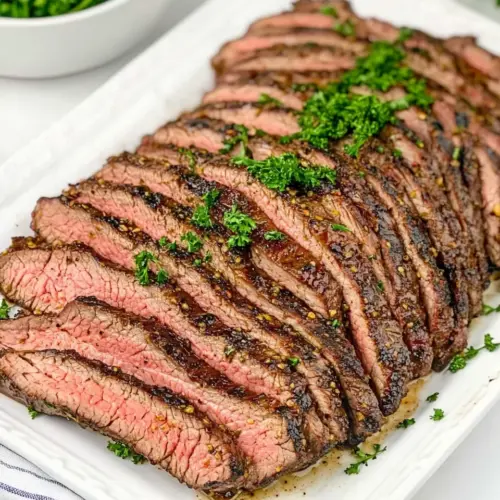
Grilled Chili Garlic Tri Tip
Grilled Chili Garlic Tri Tip is a smoky, spicy roast perfect for easy weeknight dinners or summer cookouts. The garlic forward paste and red chili paste create a savory crust while the tri-tip stays tender and juicy, offering robust aroma and charred texture. It’s an approachable, impressive dish that makes feeding a group simple and rewarding.
Equipment
- Gas grill
- Instant read thermometer
- Shallow Dish
- Mixing Bowl
Ingredients
- 2 tablespoons tomato sauce Adds a tangy, slightly sweet base that helps bind the marinade and balance heat; contributes moisture and a subtle tomato richness that deepens as it cooks.
- 1 tablespoon red chili paste Provides concentrated heat and savory depth with a fermented chili flavor; blends into the marinade to impart spicy, umami-forward notes that cling to the meat.
- 1 tablespoon olive oil Coats and carries fat-soluble flavors while helping the marinade adhere to the roast; contributes a smooth mouthfeel and aids in browning during grilling.
- 2 1/2 teaspoons ground cumin Introduces warm, earthy aroma with a slightly smoky edge; complements chili and tomato flavors while enhancing the overall savory profile of the rub.
- 1 1/4 teaspoon chili powder Delivers a mild, rounded chili heat and mellow sweetness; supports other spices and helps create a balanced, layered pepper flavor in the marinade.
- 1 teaspoon ground coriander Offers citrusy, floral undertones that brighten the savory spices; works with cumin and chili to add complexity and a fragrant finish to the seasoning.
- 3 large garlic cloves, minced Imparts pungent, aromatic intensity and a sharp bite that mellows with cooking; helps create a robust savory backbone in the marinade and enhances overall flavor.
- 2 pounds boneless beef tri-tip roast Serves as the main protein and focal point; benefits from the marinade to tenderize, infuse flavor, and develop a flavorful crust when grilled.
- 1/2 teaspoon kosher salt Enhances the natural beef flavors and helps season the meat evenly; also plays a role in controlling moisture and improving overall taste.
- 1/4 teaspoon freshly ground black pepper Adds a sharp, peppery heat that sharpens flavor contrasts; balances richness and completes the seasoning profile with a bright, slightly biting finish.
Instructions
- In a small bowl, combine the tomato sauce, chili paste, oil, spices and garlic.: The mixture will smell bright and garlicky immediately, with the chili paste lending a sharp, savory tang and the cumin giving a toasty scent. This blend forms a paste that clings to the meat, ensuring even seasoning coverage. If the paste feels too thin, a short rest will allow the flavors to marry and thicken slightly. Avoid adding too much oil, which can cause flare ups on the grill surface.
- Trim the fat from the roast. Place the meat in a shallow dish; sprinkle with salt and pepper. Spread the spice paste over both sides of the meat. Cover and marinate in the refrigerator for 2 to 6 hours.: You should notice the paste seep slightly into the surface, and the salt begins to season the interior. Marinating for at least two hours lets the aromatics penetrate, while up to six hours deepens flavor without turning the texture mushy. A common mistake is over trimming, removing all fat; leave a thin layer so the roast stays moist while grilling.
- Preheat a gas grill to 350℉. You'll be using direct and indirect grilling for this recipe, so just turn the burners on half the grill.: When the grill reaches temperature, you will see faint wisps of smoke and feel a steady radiant heat above the lit side. Setting up zones prevents the exterior from scorching while the center cooks through. If your grill runs hot, lower the temperature to avoid a burned crust before the interior reaches the target temperature.
- Place the seasoned tri tip roast directly on the grill grates over indirect heat. Close the lid and grill for 30 to 40 minutes, flipping every 6 to 7 minutes. When the roast reaches an internal temperature of 120℉, move it over to direct heat and grill for 2 to 3 minutes per side or until the internal temperature reaches your desired doneness. Pull the tri tip from the grill when it reaches a final temperature of the following: 125℉ for rare, 135℉ for medium rare, 145℉ for medium, 155℉ for medium well, 160℉ for well done.: During this phase the roast will release an amplified roast aroma and you may hear gentle sizzling as juices migrate. Turning periodically promotes uniform cooking and creates an even crust. Keep an eye out for uneven charring, which indicates the roast sitting over a hotter pocket of the grill; if that happens, move it slightly to a cooler zone.
- Remove the tri tip from the grill. Rest the meat for 10 minutes then slice against the grain and serve.: Moving to direct heat sears the exterior, creating a caramelized, crisp crust that contrasts the tender interior. You will hear a louder sizzle and smell intensified browning. This rapid searing step adds texture and deep color quickly. Avoid leaving it too long on direct heat, as aggressive flames can dry the outer layer and mask the marinade’s nuanced flavors.
- Pull the tri tip from the grill when it reaches a final temperature of the following: 125℉ for rare, 135℉ for medium rare, 145℉ for medium, 155℉ for medium well, 160℉ for well done : The temperature targets help you match guests' preferences reliably, and you will notice the meat feel firmer as it climbs. Resting margin varies by doneness, but these targets account for carryover heat. A typical oversight is slicing too soon; letting the roast rest ensures juices redistribute rather than running out on the cutting board.
- Remove the tri tip from the grill. Rest the meat for 10 minutes then slice against the grain and serve: Resting produces a mellow, concentrated aroma and the juices settle so each slice is moist. When you slice against the grain, the meat yields tender bites rather than long, chewy strands. A common error is cutting with the grain, which makes the texture tougher, so take a moment to identify the grain direction before slicing.
Notes
- Marinate for balance Allow at least two hours so the flavors penetrate the surface, but avoid extending beyond six hours to keep the texture intact.
- Trim judiciously Remove excess fat that causes flare ups, but preserve a thin layer so the roast stays juicy during high heat searing.
- Use grill zones Set up an indirect and direct area so you can cook through gently and finish with a quick, flavorful sear.
- Monitor internal temperature Rely on an instant read thermometer placed in the thickest section to hit the precise doneness you prefer.
- Rest before slicing Let the roast rest for about ten minutes to allow juices to redistribute, which keeps slices moist on the plate.
- Slice against the grain Identify the grain and cut across it for tender, easy to chew slices that showcase the meat’s texture.