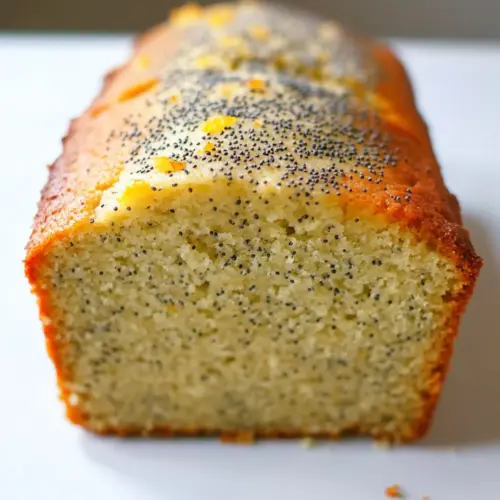
Greek Yogurt Olive Oil Orange Poppy Seed Pound Cake
Greek Yogurt Olive Oil Orange Poppy Seed Pound Cake is a moist, tender loaf studded with tiny specks of poppy seed and brightened by fresh orange zest and juice. The combination of creamy Greek yogurt and fruity olive oil yields a soft crumb that stays fresh, making it an easy brunch or make ahead treat. It’s an approachable, flavorful cake worth baking for multiple occasions.
Equipment
- Loaf Pan
- Mixing Bowls
- Whisk
- Rubber spatula
- Measuring Cups
- citrus zester
Ingredients
- 4 large eggs, at room temperature Beat and incorporate with room temperature fats and sugars to provide structure, lift, and richness to the cake batter; whisking eggs adds air that helps create a tender crumb and stable rise during baking.
- 3/4 cup full-fat greek yogurt Add moisture and tang while contributing creamy body and tenderness to the crumb; Greek yogurt also reacts with baking powder to enhance lift and adds a pleasant density and flavor depth.
- 1 1/2 cups all-purpose flour Provide the primary dry structure and bulk for the cake, developing gluten when mixed and creating the base texture that holds the batter together once baked; proper measurement ensures correct crumb and rise.
- 1/4 cup poppy seeds Contribute a subtle nutty crunch and visual interest throughout the cake while offering a delicate pop of flavor; evenly distributing poppy seeds prevents clumping and ensures consistent texture.
- 1 1/2 teaspoons baking powder Act as the chemical leavening agent to produce carbon dioxide and help the cake rise, creating a light, airy texture; sifting and properly measuring prevents over- or under-leavening.
- 1/2 teaspoons salt Enhance overall flavor balance by moderating sweetness and accentuating other tastes, while also strengthening gluten structure slightly; accurate salting brightens citrus and dairy notes.
- 1 large organic orange, zested and juiced; divided Provide fresh citrus aroma, brightness, and acidity through zest and juice, balancing richness and adding a fragrant orange flavor; dividing juice and zest ensures layered citrus intensity in both batter and glaze.
- 1 cup sugar Sweeten and tenderize by interacting with fats and liquids to create soluble sugars that help with browning and moisture retention; creaming sugar with fat incorporates air for a lighter texture.
- 1 teaspoon pure vanilla extract Impart warm, rounded flavor and aromatic depth that complements the orange and yogurt, enhancing overall complexity; vanilla extract is added late to preserve its volatile aroma compounds.
- 1/2 cup extra-virgin olive oil Add healthy fat that contributes moistness, a velvety mouthfeel, and a subtle fruity, peppery note unique to extra-virgin olive oil; gently folding oil keeps the batter emulsified and tender.
- 1/2 cup powdered sugar Create a simple glaze or dusting that adds sweet finish and delicate sheen, dissolving into citrus juice to form a glossy, sweet topping that contrasts the cake's crumb.
Instructions
- Preheat the oven to 350 degrees (F).: As the oven warms, you'll notice a steady hum and a faint heat that signals readiness, which is essential for even rise and proper crust color. Why this matters, the consistent oven temperature ensures the loaf sets correctly and bakes through without collapsing. Sensory cue, the oven should be fully up to temperature before the cake goes in so the batter begins to bake immediately and rise evenly. Troubleshooting tip, avoid putting the pan in too early, a cooler oven can make the crumb dense and the exterior pale.
- Generously grease an 8 1/2 by 4 1/4 by 2 1/2-inch loaf pan and line with parchment paper. Set aside.: Greasing and lining gives you a smooth release and clean edges when the loaf comes out; the parchment creates handles to lift the cake easily. Sensory cue, the pan should feel slick to the touch from the oil or shortening and the parchment should sit flat without folds. Why this matters, secure release prevents tearing the sides and preserves the loaf's appearance. Troubleshooting tip, if the parchment shifts, press it firmly into the pan and add a little extra grease to hold it in place.
- In a medium-sized mixing bowl, whisk together the flour, poppy seeds, baking powder, and salt.: As you whisk, the dry mixture becomes evenly distributed and you can see the tiny black flecks of poppy seeds against the flour, which hints at the speckled crumb to come. Why this matters, even distribution prevents pockets of leavening or salt that would create uneven flavor or texture. Sensory cue, the mixture should look uniform and light, with no clumps. Troubleshooting tip, if you find lumps, sift the flour or break them up with the whisk to avoid dense spots.
- Pour the sugar into a separate medium-sized mixing bowl and grate all the zest from the orange over top the bowl so it falls on the sugar. Rub the zest into the sugar until the sugar is bright orange and fragrant. Slice the orange in half and squeeze its liquid into a glass measuring cup. Set aside.: Rubbing the zest into the sugar releases aromatic oils that perfume the entire cake, and you will see the sugar adopt a pale orange hue while a burst of citrus scent fills the air. Why this matters, this technique intensifies the orange flavor in every bite without adding extra liquid. Sensory cue, the sugar should smell strongly of orange and feel slightly clumpy as oils bind. Troubleshooting tip, if you forget to rub the zest, the citrus will be milder; take the extra minute, it's worth it.
- In a large bowl whisk together the yogurt, eggs and vanilla. Add 1/2 of the orange juice, and stir to combine. Stir in sugar.: The mixture will look glossy and smooth, with tiny streams of oil from the zest infused sugar dispersing into the batter, creating a fragrant base. Why this matters, combining wet ingredients thoroughly ensures uniform texture and prevents streaks of egg or curdled spots that can ruin the crumb. Sensory cue, the batter should be homogeneous and slightly thick from the Greek yogurt . Troubleshooting tip, if the mixture looks curdled, whisk more vigorously to bring it together before adding dry ingredients.
- Gently whisk the dry ingredients into the wet ones, stirring just until incorporated. Switch to a rubber spatula and fold in the oil, stirring until you're sure it’s all incorporated.: When you add the dry to wet, work quickly but gently so the batter stays tender, and when the olive oil goes in the batter will loosen and look glossy. Why this matters, overmixing develops gluten and yields a chewy loaf, while under mixing leaves streaks of flour. Sensory cue, stop mixing when you see no pockets of dry flour and the batter falls from the spatula in a thick ribbon. Troubleshooting tip, if you overmix, the texture may become dense, so fold minimally.
- Pour the batter into the prepared loaf pan and smooth the top.: As you transfer the batter, it should pour thickly and settle into the pan with gentle waves; smoothing the top helps the loaf rise evenly and form a pleasing crown. Why this matters, an even top prevents lopsided baking and gives a uniform crust. Sensory cue, the batter surface will look satiny and even, with visible flecks of poppy seeds . Troubleshooting tip, if air pockets form, tap the pan briefly on the counter to release them before smoothing.
- Bake the cake for 50 to 55 minutes, or until the top is golden and a cake tester comes out of the middle clean.: During baking the kitchen will fill with a warm citrus and sugar aroma, and the top should turn a warm golden hue that signals caramelization. Why this matters, reaching the right internal temperature ensures the crumb sets without drying out. Sensory cue, a skewer inserted in the center should emerge clean or with a few moist crumbs. Troubleshooting tip, if the top browns too quickly, tent the loaf with foil to prevent overbrowning while the center finishes baking.
- While the cake is baking, make your glaze! Simply whisk together the remaining orange juice and the powdered sugar till smooth.: The glaze should be glossy and pourable, with a bright citrus scent that complements the warm cake. Why this matters, the glaze adds a sweet, tangy finish that contrasts the tender crumb. Sensory cue, the glaze will drip slowly off a spoon in a steady ribbon when it is the right consistency. Troubleshooting tip, if the glaze is too thick, add juice a teaspoon at a time; if too thin, whisk in more powdered sugar.
- Let the cake cool in the pan for 10 minutes, then remove from the pan using the sides of the parchment paper. Place cake on a large sheet of parchment paper, then pour glaze over the top, letting it run down the sides.: The short rest helps the loaf firm up so it releases cleanly, and pouring the glaze while the cake is slightly warm helps it seep into cracks for deeper flavor. Why this matters, glazing too early can make a runny mess, while glazing too late may prevent adhesion. Sensory cue, the glaze will create a glossy sheen and a faint citrus perfume as it sets. Troubleshooting tip, if the cake sticks, run a knife around the edges before lifting with the parchment to prevent tearing.
- Let the cake cool to room temperature or serve warm (with ice cream?).: Cooling to room temperature allows the crumb to finish setting and the flavors to mingle, though a warm slice offers a softer texture and a molten glaze note. Why this matters, serving temperature affects texture and how the aromas present themselves. Sensory cue, at room temperature the crumb will slice cleanly and the glaze will have a slight crust. Troubleshooting tip, if you cut too soon while very hot, the slices may crumble, so let it rest a bit before slicing.
Notes
- Swap citrus: Try substituting part or all of the orange with lemon juice and zest for a brighter, slightly sharper profile that still pairs beautifully with the olive oil.
- Mix-in opportunity: Stir in a couple tablespoons more poppy seeds if you enjoy extra texture; they add a pleasant pop without changing the baking time significantly.
- Glaze variations: Add a pinch of finely ground salt to the glaze for a salted citrus finish that accentuates sweetness and balances the flavors.
- Make mini loaves: Divide the batter into smaller molds for gifts or portion control; reduce baking time and check frequently for doneness with a tester.
- Presentation touch: After glazing, scatter a few reserved zest strips on top for a fresh look and an aromatic lift just before serving.