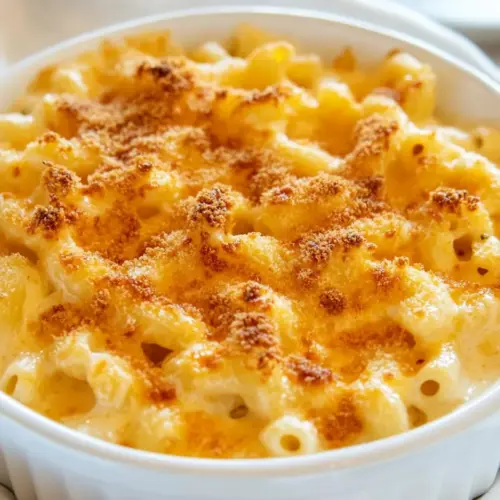
Greek Yogurt Macaroni and Cheese
Greek Yogurt Macaroni and Cheese is a creamy, tangy twist on a classic, balancing silky cheese sauce with the bright lift of Greek yogurt. This easy weeknight dinner uses simple pantry ingredients for a comforting, lighter casserole that still delivers a golden crunchy topping and rich, saucy pasta. Make it when you want comfort food that feels smarter and more satisfying.
Equipment
- Large Pot
- Colander
- 2 qt gratin dish or 8x8 baking dish
Ingredients
- 1 pound elbow macaroni Cooked to al dente and providing the main body for the dish, delivers starchiness that carries sauce and textures when baked or mixed.
- 2 tablespoons unsalted butter Melted early in the cooking process to create a flavorful fat base, aids in sautéing and helps form a smooth roux when combined with flour.
- 2 tablespoons flour Whisked into melted butter to create a roux, serves as the thickening agent that gives the sauce body and helps it cling to pasta.
- 1 1/4 teaspoons salt if salt sensitive use less and salt to taste after cooking Seasoned into the sauce to enhance overall taste, adds necessary salinity and can be adjusted for dietary sodium needs before serving.
- 1/4 teaspoon black pepper Sprinkled into the mixture to introduce mild heat and aromatic bite, balances richness and brightens the overall flavor profile.
- 2 cups lowfat milk Warmed gently and incorporated into the roux to create a creamy béchamel-style sauce, contributes moisture and a mild dairy backbone.
- 1 1/2 cups shredded sharp cheddar cheese Shredded and stirred until melted to provide sharp, cheesy flavor and gooey texture, supplies richness and depth to the sauce.
- 3/4 cup Greek yogurt nonfat or lowfat Folded in at the end to add tangy creaminess and reduce overall fat, contributes a bright yogurt tang and silky texture.
- 2 tablespoons breadcrumbs Sprinkled on top before baking or toasting for a crunchy contrast, offers crisp texture and slight toasty flavor when browned.
- 1/8 teaspoons smoked paprika Lightly dusted over the finished dish or breadcrumb topping to introduce a subtle smoky warmth and visual color contrast.
Instructions
- Preheat oven to 450 degrees F. Bring a large pot of salted water to a boil. Stir in the elbow macaroni. Boil until just tender (don’t overcook it). Drain the pasta in a colander and spray cool water over it to keep it from sticking together.: The kitchen fills with a warm wave when an oven comes up to 450 degrees F , and knowing the oven is hot ensures a quick, even browning of the breadcrumb topping. You should hear the latent hum of the oven and feel gentle heat from the door when you open it. Getting the oven hot ahead of time prevents a soggy crust that happens when the dish spends extra time warming inside a cold oven. A common mistake is setting the oven too low, which will leave the breadcrumbs pale and the top lacking texture.
- In a large pot, melt butter over medium heat. Whisk in the flour, salt, and black pepper. Stir to form a thick paste.: You'll notice the surface break into rolling bubbles as the water nears a boil, and a faint steam scent of mineral water will rise. Salted water seasons the elbow macaroni from the inside out, so it is an important flavor step. Avoid under-salting the pasta water or the final dish may taste flat. Don't overcrowd the pot, which can cause the pasta to clump together.
- Slowly whisk in the milk, 1/4 cup at a time. Heat the milk mixture over medium heat for a few minutes, whisking frequently, until it thickens and begins to bubble around the edges. Do not let the sauce boil.: As you add the pasta the water immediately quiets and then comes back to a gentle boil, with pieces moving freely. Stirring right away prevents clumping, and you should test the pasta for tenderness a minute or two before package directions suggest to ensure it remains slightly firm. Overcooked pasta will become soft after baking and make the dish mushy, so drain promptly when just tender.
- Whisk in grated cheddar cheese. Stir until cheese is melted and a thick sauce forms. Stir in the Greek yogurt until smooth. Stir the cooked macaroni into the sauce, making sure all the pasta is evenly coated by sauce. Pour macaroni with cheese sauce into a greased 2 qt gratin or 8 x 8 baking dish, spreading out into an even layer and scraping all remaining sauce from the pot over the top of the pasta.: The surface of the pasta will look plump and the center should have a slight white core when you bite it, indicating al dente. Drain in a colander and run cool water briefly to stop cooking and prevent sticking, especially if there will be a pause before combining with the sauce. A common error is to skip rinsing when pasta will sit, which can lead to sticky clumps in the sauce.
- Mix together the breadcrumbs and smoked paprika and evenly sprinkle over the top of the pasta. Place in the oven and bake at 450 degrees F for 15 minutes until the top and breadcrumbs are golden brown to your liking. Serve hot. For a spicy twist, substitute cayenne pepper for black pepper.: The butter will soften first, then liquefy into a glossy pool with a faint dairy aroma. Keeping the heat at medium prevents browning. This step is the foundation for the roux, which thickens the sauce. If the butter browns you'll add a toasted note that changes the sauce flavor, so remove from heat if it starts to foam aggressively.
- Whisk in the flour, salt, and black pepper: When you add the flour the mixture will form a paste that looks matte rather than shiny. Whisking constantly removes lumps and develops a cohesive base. The brief cooking eliminates the raw flour taste, and the small amount of black pepper and salt begin seasoning the base. Leaving this step undercooked can leave a pasty texture and raw taste in the final sauce.
- Slowly whisk in the milk: Pouring the milk in small amounts while whisking creates a smooth emulsion rather than a lumpy one, and you will observe the sauce transform from paste to glossy liquid. As it warms, watch for the first tiny bubbles forming at the edge, which signals thickening. Avoid adding the milk too quickly, because that can create lumps that are hard to break down later.
- Heat the milk mixture until it thickens: The sauce will thicken and begin to show small bubbles along the edges, and the whisk will leave a visible trail when stirred. This texture tells you the roux has activated and will allow the cheese to melt into a clingy sauce. Do not let the mixture come to a full boil, or the sauce may break and become grainy.
- Whisk in grated cheddar cheese: As you add shredded cheddar cheese the pot emits a rich, savory aroma and the sauce becomes velvety and glossy. Stir until the cheese has fully melted and the sauce is uniform. If the heat is too high the cheese can seize and become oily, so keep the temperature moderate and remove from direct heat if necessary.
- Stir in the Greek yogurt until smooth: Incorporating Greek yogurt brings a tangy brightness and creaminess without heavy fat. The sauce should become slightly thicker and develop a subtle tart note. Add the yogurt off heat or over very low heat to avoid curdling. If you add it to a boiling sauce it can separate, which is a common pitfall.
- Stir the cooked macaroni into the sauce: When you combine the pasta and sauce, you'll see a glossy coating cover each curved tube, and the mixture will move cohesively in the pot. Ensuring full coverage means every bite is balanced. Scrape any residual sauce from the pot so nothing is wasted. A common mistake is adding too much pasta for the sauce volume, which yields dry pockets.
- Pour into a greased 2 qt gratin or 8 x 8 baking dish: Spreading the mixture into an even layer helps the top brown uniformly. The surface should look smooth with visible swirls where the sauce was spread. Greasing prevents sticking and helps the crisped edges release cleanly. Skipping the grease risks tearing the bake when serving.
- Mix breadcrumbs and smoked paprika and sprinkle over the pasta: Tossing the breadcrumbs with smoked paprika adds color and a smoky aroma that complements the cheese. When sprinkled evenly they form a golden, textured crust. If the crumbs are clumped the browning will be uneven, so break them apart before scattering.
- Bake at 450 degrees F for 15 minutes: The oven will amplify aromas and you should watch for the topping to turn golden brown and the edges to bubble. Fifteen minutes usually produces a crisp, glistening top with a warm, saucy interior. Leaving it in too long will dry the center and darken the topping excessively.
- Serve hot: Bring the casserole straight from the oven so the contrast between the crunchy top and the creamy inside is at its peak. The steam rising will carry cheesy and smoky notes, and the first spoonful should be warm and velvety. Let it rest just a few minutes to set slightly before serving; cutting too soon can cause the sauce to run.
Notes
- Use whole milk for extra richness if you want a creamier mouthfeel, swap the lowfat milk for whole milk; it will create a silkier sauce though with higher calories.
- Toast breadcrumbs before topping for added crunch, gently toast them in a skillet with a touch of butter until golden, then sprinkle on top right before baking.
- Adjust smoked paprika to taste to control smokiness, add a pinch more for depth or reduce it if you prefer a milder, more cheese forward profile.
- Grate your own cheddar cheese because freshly grated cheddar cheese melts more smoothly than prepackaged shredded cheese, improving sauce texture.
- Mix breadcrumbs with a touch of butter when you want a richer crust, toss them with melted butter so they brown more evenly and become more flavorful.