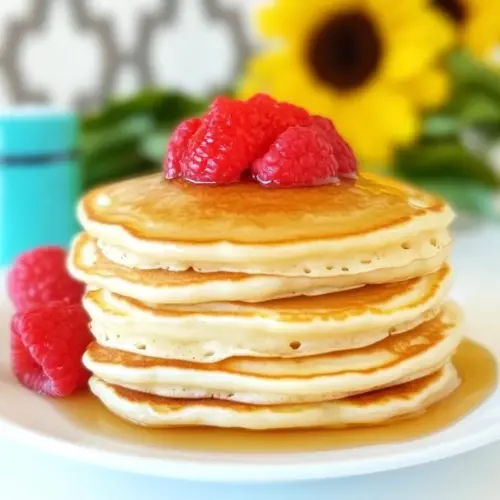
Gluten Free Silver Dollar Pancakes
Gluten Free Silver Dollar Pancakes are tiny, tender, and irresistibly soft, offering a light and fluffy bite in every mini pancake. This easy, quick batter produces consistent golden edges and a pillowy interior, perfect for an easy weeknight breakfast or leisurely weekend brunch. The recipe is approachable, family friendly, and a persuasive reason to make a batch for any morning you want something comforting.
Equipment
- Skillet
- Whisk
- Mixing Bowls
- Small Cookie Scoop
Ingredients
- 1 cup 1-to-1 gluten free flour blend (Bob’s Red Mill 1-to-1 baking blend is recommended) Provide a gluten-free base that mimics all-purpose flour in texture and structure, enabling light, tender pancakes; contains a blend of rice and starches with xanthan gum to bind and add elasticity. Use the recommended 1-to-1 blend for predictable rise and consistent results when substituting in traditional pancake recipes.
- 1 tablespoon granulated sugar Add sweetness to the batter, helping balance flavors and aid browning; granulated sugar also slightly tenderizes the crumb by retaining moisture. Measure accurately to avoid overly sweet pancakes while still promoting caramelization on the griddle.
- 1 teaspoon baking powder Leaven the batter by releasing carbon dioxide when combined with liquid and heat, contributing to lift and airy pancakes; baking powder often contains an acid and a base for double-acting rise. Distribute evenly in the dry mix to ensure uniform rising across all pancakes.
- 1/2 teaspoon baking soda React with acidic components in the batter to produce additional lift and a tender crumb; baking soda also helps with browning and neutralizes acidity from dairy or buttermilk. Use the specified amount to prevent metallic or soapy flavors from excess alkaline.
- 1/4 teaspoon salt Enhance overall flavor and balance sweetness while controlling the baking chemistry; a small amount of salt brightens the batter and improves taste perception. Dissolve well into the dry ingredients to ensure even seasoning.
- 1 cup milk Provide the liquid component to hydrate dry ingredients, activate leaveners, and create a pourable batter; milk contributes richness and tenderness through its fats and proteins. Use the stated volume and temperature (room temp preferred) for consistent texture and cooking time.
- 1 large egg Bind ingredients together and add structure through coagulation when heated, promoting lift and a stable crumb; the yolk also contributes richness and moisture. Beat the egg lightly before adding to ensure even incorporation throughout the batter.
- 2 tablespoons unsalted butter, melted and cooled Add fat for richness, flavor, and tenderness while aiding in browning; melted and cooled butter disperses more evenly than solid butter and prevents cooking the egg. Cool the butter before mixing to avoid scrambling and to maintain proper batter consistency.
- 1 teaspoon vanilla extract Impart a warm, sweet aroma and enhance flavor depth without adding liquid bulk; vanilla rounds out the batter and complements the other ingredients. Stir in gently to avoid overmixing and to distribute flavor uniformly.
- Oil or cooking spray Prevent sticking on the griddle or skillet to allow even browning and easy flipping; use a light coating of oil or a quick spray between batches. Reapply as needed to maintain a nonstick surface and consistent pancake appearance.
Instructions
- In a medium bowl, whisk together the gluten free flour, sugar, baking powder, baking soda, and salt.: The dry mix should smell faintly sweet and slightly bready, and you will notice the texture shift as the finer leaveners blend in. Whisking aerates the mix, which helps the pancakes lift during cooking. If you see clumps, press them against the bowl with the whisk to break them up; stubborn lumps are a common mistake and lead to uneven pockets in the batter.
- In a large bowl, whisk together the milk, egg, melted butter, and vanilla extract.: As you whisk, the mixture should look smooth and glossy, with small ribbons forming briefly from the egg. The cooled melted butter will add a sheen without cooking the egg, which preserves a tender texture. If the butter is warm and you see bits of cooked egg or curdling, you warmed the butter too much; start again with a fresh egg for the best result.
- Add the flour mixture to the wet ingredients and stir together until just combined. The batter will still be slightly lumpy. Cover the bowl with plastic wrap and let rest for 20 minutes.: After mixing, the batter should be thick yet pourable, with small lumps that will smooth out as the flours hydrate. Resting allows the flour particles to absorb liquid, which improves texture and reduces a chalky aftertaste. Avoid overmixing here, because that can make the pancakes dense; a common error is stirring until perfectly smooth, which actually harms tenderness.
- Heat a skillet over medium heat or a griddle to 375°F, and lightly coat the pan with oil or cooking spray. Add about 1 tablespoon of batter or a small cookie scoop full for each pancake, leaving some space between each one. Cook until you see that the edges are turning golden-brown and bubbles are appearing at the surface, about 2-3 minutes. Flip and cook until the other side is golden, about 1-2 minutes.: When the pan reaches the right temperature, a few drops of water should dance and evaporate quickly. The hot surface creates immediate contact browning, forming a golden crust that contrasts with a soft interior. If the pan is too cool, pancakes will spread thin and remain pale; if it is too hot, they will brown too fast and stay raw inside. Adjust the heat as needed and test with a small pancake first.
- Remove the pancakes from the pan and repeat with the remaining batter.: Look for a gentle sizzle when the batter hits the pan, and notice how the batter forms neat, round disks. Small scoops allow even cooking and quick flipping. Crowding the pan is a frequent mistake, it lowers the temperature and causes uneven browning and steaming instead of searing.
- Cook until you see that the edges are turning golden-brown and bubbles are appearing at the surface, about 2 to 3 minutes.: You will hear a soft sizzling and see small bubbles form and pop on the surface; that is the signal the interior is setting. The edges should look set and slightly dry before flipping. If you flip too early, the pancake may collapse and remain undercooked inside, which is a common timing error for busy cooks.
- Flip and cook until the other side is golden, about 1 to 2 minutes.: After flipping, watch for an even golden tone on the cooked side, and listen for a slightly lower-pitched sizzle as moisture decreases. The second side cooks faster, so stay close to avoid over browning. Overcooking will dry the interior and make the texture crumbly instead of tender.
- Remove the pancakes from the pan and repeat with the remaining batter.: As you transfer pancakes to a plate, the stack will steam slightly; I like to place them in a single layer briefly to prevent sogginess, then stack right before serving. If you leave them too long piled up while still steaming, the bottoms can soften and lose crispness. Keep the pan at a steady temperature between batches so each pancake finishes consistently.
Notes
- Choose the right flour blend: A reliable one to one gluten free baking blend simplifies the recipe because it is formulated to replace wheat flour without extra adjustments. If your mix is homemade or lacks a binder, you may need a small addition of xanthan gum for structure.
- Milk alternatives: You can use most plant milks in equal measure, though thicker options may yield slightly denser pancakes. If a dairy free milk is thinner, you might let the batter rest a touch longer to thicken.
- Butter handling: Make sure the melted butter is cooled before adding to the egg to avoid cooking the egg; this keeps the batter smooth and prevents lumps.
- Adjusting sweetness: If you prefer less sugar, reduce the granulated sugar slightly and rely on toppings like fruit or syrup for sweetness at the table.
- Storing batter: Rested batter is best used the same day; if you must refrigerate, give it a gentle stir and bring to room temperature before cooking to avoid overly thick batter.