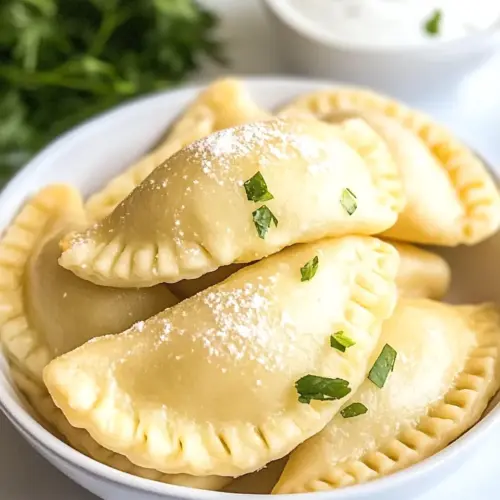
Gluten Free Pierogi
Gluten Free Pierogi offer pillowy wrappers filled with creamy mashed potatoes and tangy cheese, delivering a comforting, hearty bite. This easy to follow recipe yields tender dumplings that can be boiled, pan crisped, or baked, perfect for an easy weeknight dinner or a make ahead party dish. Make a batch to freeze for quick, satisfying meals that feel homemade every time.
Equipment
- Pot
- Potato Masher
- Mixing Bowls
- Rolling Pin
- Silicone Baking Mat
- Pan
- Baking Sheet
Ingredients
- 1 pound Russet potatoes Boil and mash to create a fluffy, starchy base for the filling that provides body and helps bind other ingredients; season while hot to absorb flavors and ensure a smooth, lump-free texture.
- 1 cup shredded sharp cheddar cheese (about 4 oz.) Melt and stir into the warm mashed potatoes to add sharp, savory flavor and creamy richness, enhancing mouthfeel and helping the filling hold together when cooked.
- 1/2 teaspoon salt Season and balance the filling by enhancing savory notes and controlling overall taste; disperse evenly to prevent bland pockets and to complement the cheese.
- 1/4 teaspoon pepper Season lightly to introduce subtle heat and depth to the filling, ensuring a balanced flavor profile without overpowering the dairy and potato elements.
- 17.5 oz . package farmers cheese Crumble or mash into the potato mixture to contribute a tangy, slightly grainy creaminess and substantial dairy body that defines traditional pierogi fillings.
- 1 egg yolk Enrich and bind the filling by adding fat and protein, improving cohesiveness and silkiness while helping the filling stay intact during shaping and cooking.
- 1/8 teaspoon salt Season gently to fine-tune the dairy filling's flavor, ensuring salt levels are balanced against the potatoes and cheeses for a well-rounded taste.
- 1 1/2 cups (222 grams) 1:1 gluten free flour (I use Bob’s Red Mill but other brands should work fine, see Notes.) Combine with starches and xanthan gum to form a pliable, gluten-free dough that provides structure and elasticity; weigh or spoon accurately for consistent results.
- 1/2 cup tapioca starch Thicken and lighten the dough blend by contributing chew and a slightly elastic texture resembling wheat-based pierogi, helping create a tender but sturdy wrapper.
- 1 teaspoon xanthan gum Stabilize and mimic gluten's binding properties in the dough, providing elasticity and cohesiveness so the wrappers can be rolled thin and hold fillings without tearing.
- 1/2 teaspoon salt Season the dough to lift flavors and balance richness from eggs and sour cream, ensuring the finished pierogi dough is not flat or bland.
- 1 large egg Bind and enrich the dough by adding protein and moisture, contributing to structure, color, and a tender crumb once boiled or pan-fried.
- 1/4 cup sour cream Add creaminess and tang to the dough, increasing tenderness and flavor; also contributes moisture that helps hydrate the flour and starch blend.
- About 1/3-1/2 cup warm water Hydrate the dough to the correct consistency, allowing the flour and starches to come together into a workable, rollable mass without becoming dry or sticky.
Instructions
- Wash and peel the potatoes, and cut them into large chunks. Place in a pot and cover with cold water. Cover and bring to a boil, and boil for 10-12 minutes or until the potatoes are fork tender.: You will hear the water progress from a gentle simmer to rolling bubbles, and the kitchen will begin to fill with a toasted, earthy aroma as the Russet potatoes cook. The sensory cue to look for is when a fork slides into a chunk with minimal resistance, that indicates they are tender enough to mash smoothly yet not waterlogged. Starting them in cold water helps them cook evenly through the center, preventing a mealy interior. A common pitfall is boiling too vigorously which can break the pieces apart and cause them to absorb excess water, making the mash gluey. Keep the heat moderate and test early so you do not overcook.
- Drain the water off, return the potatoes to the pot, giving them a few minutes for the excess moisture to evaporate off.: After draining, returning the hot potatoes to the warm pot allows steam to escape, which dries them slightly and improves the final mash texture. You may notice a faint steam rising and a concentrated potato aroma. This brief resting reduces excess moisture that could make the filling runny. Resist the urge to immediately mash into a watery paste. One mistake is skipping this step, which often results in a wet filling that will not hold together well when shaping the pierogi.
- Add the cheese, salt, and pepper to the potatoes, and cover the pot for a few minutes to allow the cheese to melt.: Placing the shredded sharp cheddar cheese into the still warm pot lets it soften and partially melt, releasing a savory, creamy scent. Covering traps residual heat and helps the cheese integrate without overworking. This melded moment marries the flavors so the cheese becomes part of the body rather than a separate element. A typical error is adding cold cheese to cooled potatoes, which can leave unmelted bits and inconsistent texture.
- Using a potato masher and spatula, mash and stir the potatoes to incorporate the cheese. It’s fine if there are still a few lumps.: As you press and turn the potatoes , you should feel them break down into a creamy, slightly textured mash, punctuated by the melted cheddar . The sound is gentle, a soft tearing as the forked edges yield. Leaving a few small lumps adds rustic character and prevents the filling from becoming gluey. Overmashing into a uniformly silky puree removes structure, so stop while there is still body. A common mistake is using a high speed mixer which can whip the starches and create an undesirable gummy mouthfeel.
- Place potato mixture in the refrigerator until cooled completely, and ready to use.: Cooling firms the mash and prevents a hot filling from softening the dough during assembly. Once chilled, the filling will be easier to portion and will hold a tablespoon shape without collapsing. The tactile cue is when the mash feels cool to the touch and slightly firmer. If you skip chilling, the heat can make the dough sticky and difficult to seal. A usual error is assembling with warm filling, which leads to soft, floppy pierogi that may open in the water.
- Combine the farmers cheese, egg yolk and salt in a bowl and stir until well mixed.: Mixing the farmers cheese with a egg yolk binds the tangy curds into a cohesive filling component. The texture should be creamy, and the aroma subtly lactic. This mixture brings moisture and structure, and it pairs with the potato mash for balanced richness. Overbeating can make it too loose, so stir until uniform. A common slip is adding too much liquid at this stage, which will thin the filling and make shaping harder.
- Cover and keep in the refrigerator until ready to use.: Chilling this cheese mix allows flavors to meld and firms the texture, making it easy to combine with the mashed potatoes later. You will notice a more compact consistency after refrigeration, which aids in piping or spooning the filling. Leaving it out too long will soften it excessively, risking leaks during assembly.
- Whisk the gluten free flour, tapioca starch, xanthan gum, and salt together in a large bowl, and make a well in the middle.: As you whisk the dry gluten free flour and tapioca starch , you are fluffing and evenly distributing the xanthan gum so it hydrates consistently. The dry mix will have a faint starchy scent with a powdery feel, and forming a well creates a controlled space to add the wet ingredients gradually. Missing this step can lead to uneven clumps of xanthan gum that gum up the dough.
- Place the eggs and sour cream into the well. Using your fingers, gradually work the flour into the eggs and sour cream until you have a crumbly mixture.: Touch is crucial here, you will feel the dry edges absorbing the wetter center and forming crumbs. The mixture should resemble coarse crumbs rather than a wet batter, and the sour cream lends tenderness while the egg adds cohesion. Working with your fingers helps you judge hydration. A frequent mistake is rushing and using a spoon which hides dry pockets and creates an uneven dough.
- Slowly pour in the water while working it into the flour mixture with your hands, starting with about 1/4 cup, then adding more gradually as you bring the dough together. You will think you haven’t added enough, but as you work the dough, it will come together. So it is better to add the water very slowly.: The warm water encourages hydration and makes the dough pliable, and as you knead you will notice the crumbly mix smooth into a cohesive mass. The dough should feel slightly damp and elastic, not sticky. Go slowly because adding too much water too fast can create a slack, unworkable dough. Many people add the entire water amount at once and end up with a tacky, loose dough that is hard to roll.
- Once the dough comes together, knead it until it is fairly smooth and elastic, and slightly damp, but not loose. You can wet your fingers to work in a little more water at a time, as needed.: Kneading develops the small degree of structure needed in a gluten free dough, creating a uniform surface and a slightly springy feel. The dough should not stick to your hands; if it does, wet your fingers or dust with a touch of tapioca starch . You will notice a softer, cohesive ball ready to rest. Overkneading or letting it sit too long will dry it out and make it brittle, so aim for a focused, short knead.
- Form the dough into a ball, cover with plastic wrap, and let rest in the refrigerator for about 10 minutes (do not let it rest more than about 30 minutes).: A short rest relaxes the dough, making it easier to roll thin without tearing. The dough will feel cooler and a touch firmer after refrigeration. Resting longer can dry the surface and make rolling difficult, so keep it brief and covered to retain moisture. A common misstep is leaving the dough uncovered which forms a dry skin.
- Using about a quarter of the dough at a time, roll it out very thin on a silicone baking mat, about 1/8" thick. You can lightly dust the surface with a little tapioca starch, only if needed. Cut circles about 3-3 1/2 in. in diameter.: Rolling thin creates the delicate wrapper that cooks tenderly, and you will see the dough become luminous as it thins. The tactile cue is a slight tack that smooths under the rolling pin; if it resists, let it rest a moment. Dusting sparingly with tapioca starch prevents sticking without drying the dough. Overrolling or rolling too many times dries the dough and leads to cracks when sealing.
- Place about 1 tablespoon of the desired filling offset from the middle of the circle, fold the circle over, and press the edges together with your fingers, then use a fork to seal completely. Place the formed pierogi on a parchment-lined sheet pan.: When you press the edges, you should hear a gentle sealing sound and feel the dough bond. The sealed edge will look uniform and hold when lifted. Fork crimping adds extra assurance against leaks during simmering. Avoid overfilling which stresses the seam and causes the pierogi to burst while cooking.
- Repeat with the remaining dough, gathering the scraps to roll a second time to get a full 2 dozen. Do not roll more than twice, as the dough gets dry and tough.: As you work, keep unused dough covered so it does not form a skin. The second roll will produce slightly denser rounds, so try to be efficient on the first pass. The sensory rhythm of shaping is calming and precise. Rolling repeatedly is tempting when you want more uniform circles, but that extra handling will dry the dough and affect final tenderness.
- Bring a shallow pan of water to a gentle simmer (do not boil).: A gentle simmer is key to cook the pierogi through without jostling them too roughly. The surface will have small, consistent bubbles rather than a violent boil. This controlled temperature prevents tearing and helps the dumplings rise to the surface evenly. Boiling too hard will agitate and break delicate wrappers.
- Depending on the size of your pan, add about 4-8 pierogi at a time, stirring gently to keep them from sticking to the bottom and each other. Do not overcrowd your pan. Simmer for about 15 minutes. They will be floating when they are done.: As the pierogi cook, listen for the quiet patter of gentle bubbles and watch them bob and spin as they float. Floating signals they are cooked through, and the exterior will look slightly plumper and translucent. Stir carefully with a slotted spoon to avoid tearing the wrappers. Overcrowding reduces circulation and can cause uneven cooking and sticking.
- Remove from the simmering water, and place in a baking pan or on a sheet pan sprayed with cooking spray, and top with some small bits of butter to keep them from sticking.: The butter melts into small pools that prevent sticking and impart a glossy finish and buttery aroma. Transferring gently keeps the dumplings intact and primes them for a quick skillet crisp if you want. Skipping the buttered rest may leave them clumped together on the pan.
- Continue until you have boiled all of the pierogies. You can cook and serve them immediately or store in the refrigerator for up to 3 to 4 days, or freeze them for up to 2 months.: When you finish boiling batches, keep them covered if serving warm, or cool on a tray before freezing. Cooling fully before freezing prevents ice crystals from forming and preserves texture. A common error is storing them hot in a sealed container which creates condensation and sogginess.
- Stovetop: Melt butter in a pan and sauté onions, if desired. Add the pierogi and sauté until heated through. You can cook them until browned and crispy, if desired, or keep them soft and just lightly golden.: Melt butter in a pan and sauté onions, if desired. Add the pierogi and sauté until heated through. You can cook them until browned and crispy, if desired, or keep them soft and just lightly golden. : Sautéing develops a nutty butter aroma and crisp edges that contrast the creamy interior. You should hear a steady sizzle and see golden patches form, while the interior remains pillowy. Monitor heat so they brown without burning. Too high heat scorches the outside before the center warms, so adjust accordingly.
- Oven: Preheat the oven to 350°F. Place the pierogi in a baking pan and top with slices of butter. Add sliced onion, if desired. Bake at 350°F for 20-30 minutes, gently tossing after 10-15 minutes, until heated through.: Preheat the oven to 350°F. Place the pierogi in a baking pan and top with slices of butter. Add sliced onion, if desired. Bake at 350°F for 20 to 30 minutes, gently tossing after 10 to 15 minutes, until heated through. : In the oven you will notice a gentle warming and a subtle toasting of the edges, with melted butter pooling and mingling with any added onion juices. Tossing halfway ensures even color and prevents one side from drying out. If you skip tossing, some pierogi may brown unevenly or dry at the edges.
Notes
- Cheese forward: Increase the ratio of farmers cheese to Russet potatoes for a tangier, creamier interior that holds well when pan crisped.
- Extra binder option: If your filling feels loose, stir in an extra egg yolk before chilling to improve cohesion during shaping.
- Rolling tip: Work on a silicone mat and dust very sparingly with tapioca starch to prevent sticking without drying the dough surface.
- Make ahead assembly: Form pierogi and freeze them on a tray, then transfer to a bag so you can cook straight from frozen for convenience.
- Skillet finish: After simmering, sauté pierogi in butter until edges are golden for contrasting texture and a toasty aroma.