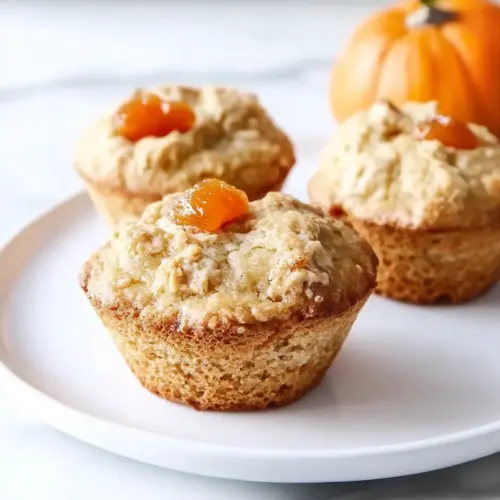
Ginger Persimmon Scone Muffins
Ginger Persimmon Scone Muffins are tender, slightly crumbly treats studded with ripe Fuyu persimmon and candied ginger. These easy, cozy bakes combine warm spice and buttery texture for a perfect autumn breakfast or snack, great for easy weekend baking and sharing with friends. Make them for a seasonal twist that tastes like fall in every bite.
Equipment
- Muffin Tin
- Mixing Bowl
- Pastry blender
- Wooden Spoon
- Wire Rack
Ingredients
- 2 cups all-purpose flour Provide structure and bulk to the batter, producing tender crumb when combined with fats and liquids; sift or whisk to ensure even distribution and aeration for consistent rise.
- 1/3 cup granulated sugar Add sweetness and help with browning during baking, contributing to tender texture; adjust slightly for personal taste but maintain balance with leavening agents.
- 2 teaspoons baking powder Leaven the muffins by producing carbon dioxide with acids and agitation, helping create a light, fluffy texture; measure accurately for proper rise without metallic taste.
- 1/2 teaspoon baking soda Assist with leavening and reacting with acids to create lift and tenderness, while also contributing to subtle browning; use precisely to avoid soapy or bitter flavors.
- 1/4 teaspoon kosher salt Enhance and balance flavors by providing a savory contrast to sweet components and strengthening gluten development slightly, ensuring accurate measurement for proper seasoning.
- 1/4 teaspoon ground ginger Impart warm, aromatic spice that complements persimmon and candied ginger, adding gentle heat and fragrance throughout the scones; fresh ground spice yields best flavor.
- 1/2 cup (1 stick) unsalted butter, cut into cubes Contribute richness and flakiness by coating flour particles and creating layers when cut into the dough; keep cold and cubed to achieve tender, flaky texture when baked.
- 1 cup buttermilk Provide moisture and acidity that reacts with baking soda to aid leavening while creating a tender, tangy crumb; add gradually and combine just until incorporated to avoid overmixing.
- 2 Fuyu persimmons, peeled and cut into 1/2-inch dice (about 1 cup) Offer fresh, sweet-tart fruit pieces that add texture, moisture, and seasonal flavor; dice uniformly to distribute evenly and gently fold in to prevent crushing.
- 1/4 cup chopped candied ginger Deliver concentrated sweet-spicy chewiness and a pronounced ginger flavor that complements fresh persimmon, adding bursts of flavor and chewy texture when folded into the dough.
- 1 egg, whisked with 1 tablespoon milk or water Bind and glaze the tops for an attractive finish while adding a slight richness; whisk with milk or water to create an egg wash that promotes golden color and helps toppings adhere.
- pearl sugar, for topping (optional, you can also use any raw or coarse sugar) Provide a sparkly, crunchy finish when sprinkled on top, adding visual appeal and a pleasant contrast in texture; optional coarse sugar types can substitute for similar effect.
Instructions
- Preheat oven to 350 degrees F. Butter a 12-cup muffin tin or spray with cooking spray and set aside.: As the oven warms you will notice the kitchen gradually fill with warmth, which helps the batter start to react the moment it hits the heat. A properly preheated oven ensures even rise and browning, so do not rush this step. A common mistake is under preheating which can lead to flat tops and uneven texture. Make sure your oven reads 350 degrees F on a reliable thermometer, and prepare the muffin tin so everything is ready when the dough is mixed.
- In a large bowl, whisk together flour, sugar, baking powder, baking soda, salt, and ground ginger. Add butter cubes and work in with a pastry blender, two knives, or your hands until butter is broken into pea sized chunks. Make a well in the center and add buttermilk, then stir in with a wooden spoon until almost incorporated. Add chopped persimmon and candied ginger and fold until evenly distributed.: Once you whisk these dry elements, the mixture should look uniform with tiny specks of ground ginger distributed throughout. The flour will be pale and the leaveners spread evenly, which is essential for consistent rise. If you skip thorough whisking you risk pockets of baking powder or soda, which can cause uneven texture or metallic notes. Use a large bowl so you have room to work in the butter without losing control of the mixture.
- Divide dough among muffin cups (a large cookie/cupcake scoop is the perfect size).: When the butter is worked in correctly, you will see pea sized pieces coated in flour, which are the secret to a flaky, tender crumb. The dough should still be cold to the touch and look slightly sandy. Overworking melts the butter and creates a denser texture, so use short, decisive motions. If the butter gets too warm, pop the bowl in the refrigerator for a few minutes before proceeding.
- Lightly brush tops with beaten egg and sprinkle with pearl sugar.: After adding the buttermilk the mixture should begin to come together, with streaks of wet and dry visible. Stir gently until the dough is mostly combined, still a little shaggy, because overmixing can toughen the final scone muffin. You want to see a cohesive mass but not a smooth batter. A common error here is vigorous stirring which activates gluten and yields a chewy product rather than tender.
- Bake for 20 to 25 minutes or until tops are evenly golden brown and a toothpick inserted in the center comes out clean. Place pan on a wire rack and let cool until scones are cool enough to remove from tins. Serve warm (scones will also keep in the refrigerator for a few days or even frozen; rewarm before serving).: Folding in the diced Fuyu persimmon and candied ginger should be done with care so the fruit stays in chunks and does not break down into a puree. You will feel and see the fruit pieces against the dough, and the color contrast is a good indicator that distribution is even. If you mash the persimmon you will release excess moisture, which can make the muffins dense. Use a gentle folding motion until the fruit is dispersed.
- Divide dough among muffin cups a large cookie cupcake scoop is the perfect size: When portioning, aim for even scoops so all muffins bake uniformly. The dough should feel slightly firm but yielding; if too sticky, chill briefly. An evenly filled tin leads to consistent bake times and uniform tops. A frequent oversight is overcrowding cups which prevents proper air circulation and may cause uneven browning.
- Lightly brush tops with beaten egg and sprinkle with pearl sugar: The egg wash creates a shiny, golden surface while the pearl sugar adds a crunchy contrast. Brush with a light hand so the wash does not pool, then sprinkle sugar evenly. If the wash is applied too thickly it can drip down the sides and create an uneven crust. A soft pastry brush and a gentle wrist will give the best finish.
- Bake for 20 to 25 minutes or until tops are evenly golden brown and a toothpick inserted in the center comes out clean: As the muffins bake you will notice an inviting aroma of ginger and butter filling the oven, and the tops will deepen to a warm golden color. The toothpick test should show only a few moist crumbs when they are done. Overbaking dries them out, while underbaking leaves a gummy center. Start checking at 20 minutes and rotate the tin if your oven has hot spots.
- Place pan on a wire rack and let cool until scones are cool enough to remove from tins: Cooling briefly on a rack prevents steam from condensing underneath and softening the bottoms. You will feel the tops firm slightly and the edges release from the tin when they are ready. Removing them too early can cause them to fall apart, while leaving them too long in the hot tin can continue to bake the interior.
- Serve warm scones will also keep in the refrigerator for a few days or even frozen rewarm before serving: Warmed, these muffins release the aroma of candied ginger and persimmon more vividly and the texture becomes tender and inviting. To reheat, gently warm in a low oven to preserve moisture. A mistake is reheating too hot or too long which can make them dry, so watch closely and prefer short bursts of gentle heat.
Notes
- Swap sugars carefully Replace part of the granulated sugar with light brown sugar to add a gentle molasses note, which pairs beautifully with the persimmon without making the muffins overly sweet.
- Adjust spice intensity If you want a bolder gingery bite, increase the chopped candied ginger slightly, but keep the ground ginger measurement the same to avoid a harsh powdered spice note.
- Texture control For a slightly denser, more scone like texture, mix the dough a little longer after adding the buttermilk, but avoid overmixing to prevent toughness.
- Make ahead strategy Prepare the dough, shape into rounds and refrigerate overnight. Scoop and bake the next morning for fresh warm muffins with minimal morning effort.
- Freeze for convenience Bake fully, cool, then freeze in a single layer before transferring to a sealed bag. Rewarm gently in a low oven or toaster oven to revive texture.