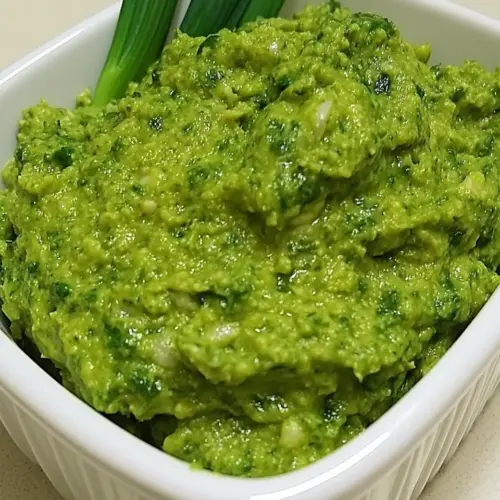
Garlic Scape Pesto
Garlic Scape Pesto is a vibrant spring sauce that is creamy, herbaceous, and easy to make. Bright lemon, nutty pine nuts, and savory Parmesan cheese combine for a versatile condiment perfect for pasta, rice, eggs, or vegetables. Make a big batch and freeze portions for quick weeknight dinners and flavorful meal upgrades.
Equipment
- Food Processor
- Mini Muffin Tin
- Ziploc bag
Ingredients
- 1 cup chopped garlic scapes Provide a bright, garlicky foundation with a mild, fresh allium flavor that defines the pesto; blend finely for even distribution and to release aromatics that lift the whole sauce.
- 4 cups chopped Swiss Chard leaves Add a tender, leafy green body offering earthy, slightly bitter notes and vibrant color; wilt lightly if desired or blend raw for texture and nutritional depth to the pesto.
- 1/4 cup fresh lemon juice Contribute a citrusy, acidic brightness that balances richness and cuts through oil and cheese; squeeze fresh and adjust to taste to preserve brightness without overpowering.
- 1/2 cup olive oil Impart a silky mouthfeel and carry flavors while adding richness; drizzle in gradually while blending to emulsify the mixture and achieve desired pesto consistency.
- 1/2 cup pine nuts Introduce a warm, buttery nuttiness and subtle crunch that enhances texture and depth; toast lightly if preferred to deepen flavor before processing into the pesto.
- 2 cups Parmesan cheese Provide savory, umami-rich creaminess and salty complexity that thickens and binds the pesto; grate finely and fold or blend to integrate fully for a cohesive sauce.
- salt to taste (I used about 2 tsp. salt) Season to enhance and balance flavors, bringing out sweetness and reducing bitterness; add gradually and taste as you go to reach a comfortable salt level that complements other ingredients.
Instructions
- Wash and dry garlic scapes; then cut into short lengths until you have one cup of chopped scapes.: The scent of fresh garlic scapes will lift immediately as you wash them, releasing a cool, green garlic aroma. Pat them dry thoroughly so water does not dilute the sauce when processed. Cutting into short lengths helps the processor chop them evenly, preventing long fibrous strands. A common mistake is skipping a thorough dry, which can make the pesto watery. If they seem stringy, trim the tougher ends to avoid chewy bits.
- Wash, dry, and chop Swiss Chard until you have 4 cups chopped chard.: As you handle the Swiss Chard , notice its earthy scent and vibrant green color, which signal freshness. Remove any thick ribs or chop them finely so they blend smoothly. Drying is important to avoid steam and diluted flavor in the processor. Overpacking the bowl with wet leaves can cause uneven processing, so work in manageable piles.
- Add garlic scapes to the food processor and process until they are starting to look finely chopped, about 2-3 minutes.: You will hear a steady whir and see the pieces shrink and glisten as their oils release, producing a fragrant, grassy aroma. Stop and scrape once they are uniformly small to prevent uneven chopping. Running too long without scraping leads to uneven texture and overheating, which can dull brightness. If the machine stalls, pulse gently to help it along.
- Add chard and process the mixture about 2 minutes more, scraping the sides of the bowl as needed.: The color will deepen and the mixture will take on a leafy green paste look, with small flecks of stem if present. Scraping ensures all bits meet the blade and avoids overworking one area while others remain coarse. If you process too long, you risk a mushy result that loses vibrancy, so aim for a cohesive but lively green mixture.
- Add the lemon juice, olive oil, and pine nuts and process about 2 minutes more.: When you add the lemon juice , the bright citrus scent will lift the whole bowl, and the pine nuts will lend a toasted, buttery aroma as they break down. Slowly adding the olive oil helps emulsify the mixture into a creamy consistency. If you pour oil all at once, the texture can separate or become too thin; a slow stream yields a glossy, stable sauce. Be cautious about heat buildup from prolonged processing which can slightly cook the greens.
- Add Parmesan and process 1-2 minutes more, or until the pesto reaches the texture you prefer.: Adding the Parmesan cheese brings a savory, nutty complexity and you will notice the mixture thicken slightly as the cheese incorporates. Processing for a short time yields a slightly chunky pesto where you can see threads of greens, while longer yields a smoother finish. A typical pitfall is adding the cheese too early, which can gum up the blades; add it near the end for best integration.
- I like to keep it slightly chunky.: The texture decision is personal, and a chunkier pesto offers bursts of herb and nut in each bite, with a rustic mouthfeel and visible pieces of garlic scapes and pine nuts . This approach also holds up better when tossed with warm pasta or spooned over vegetables. Avoid overprocessing if you want those textural highlights, and taste for seasoning before storing.
- I froze the pesto in a mini muffin tin and then popped out the cubes and stored them in a Ziploc bag in the freezer.: Freezing preserves the bright green color and fresh flavor, and the mini cube method gives convenient single use portions. Spoon the pesto into the tin, press a piece of plastic wrap over the surface to prevent freezer burn, and freeze until solid. A common error is packing too much into each cavity which makes defrosting slow; keep portions small for quick thawing.
- This pesto is good on pasta, stirred into rice, on cooked vegetables, stirred into scrambled eggs or added to soup. You could also use it as a green sauce on grilled fish or chicken.: The aroma and flavor will change slightly when heated, becoming more integrated and mellow, which can be wonderful for warming grains or enriching soups. When using as a finishing sauce, add it off heat to preserve brightness. Overheating the pesto can dull the lemon and green freshness, so stir in at the last minute when possible.
Notes
- Texture control Start by pulsing and check the mixture every 20 to 30 seconds so you can stop when you reach your preferred chunkiness rather than overprocessing into a paste.
- Pine nut substitute approach If pine nuts are scarce or pricey, use another neutral nut you like, but toast lightly and adjust quantities because different nuts vary in oiliness and flavor strength.
- Lemon balancing Add lemon juice gradually, tasting as you go, to keep the bright lift without overwhelming the green notes from the garlic scapes and Swiss Chard.
- Freezing method Portion into ice cube trays or mini muffin tins and freeze solid before transferring to a frozen storage bag, which maintains color and makes single servings easy to use.
- Serve cold or warm Use the pesto cold as a spread or stir it into hot dishes at the end of cooking to preserve its fresh character and vibrant color.