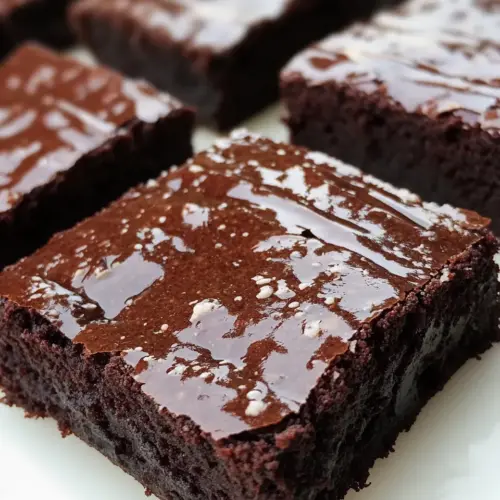
Fudgy Paleo Brownies
Fudgy Paleo Brownies are intensely chocolatey and satisfyingly chewy, made with dark chocolate chips, almond flour, and coconut sugar. These easy, paleo friendly squares deliver a shiny crackly top and rich, deep flavor that works for parties or weeknight treats. Perfect for anyone seeking a gluten free dessert that still feels indulgent and reliably fudgy.
Equipment
- Stand mixer
- Whisk attachment
- 8 x 8-inch metal baking pan
- Parchment Paper
- Microwave-safe Bowl
- Sifter
- Spatula
- Instant read thermometer
Ingredients
- 1 1/4 cups coconut sugar Sweetens and provides bulk while contributing a deep caramel-like flavor and moisture to the batter; dissolves into the wet ingredients to create a smooth texture. Works with cocoa and chocolate to balance bitterness and help produce a fudgy crumb once baked.
- 3/4 teaspoon Diamond Crystal kosher salt Enhances overall flavor by adding a clean saline contrast that intensifies chocolate notes and balances sweetness; helps control fermentation and protein interactions in the eggs. Use sparingly for even seasoning throughout the batter to prevent flat flavor.
- 2 large eggs Adds richness and structure by coagulating when heated, which helps set the brownies and contribute to their dense, fudgy texture. Also contributes moisture and emulsifying proteins that improve mouthfeel and help bind the other ingredients.
- 1 large egg yolk Increases fat and richness while contributing additional binding and a silkier, more tender crumb; the extra yolk helps create a denser, fudgy interior. Provides emulsification and flavor concentration that complements the dark chocolate and cocoa.
- 2 tablespoons coffee at room temperature Imparts a subtle depth and complexity by enhancing chocolate flavors and rounding bitterness; the liquid helps thin the batter for even mixing. When cooled to room temperature, it prevents seizing of chocolate and maintains batter consistency.
- 1 teaspoon vanilla extract Adds aromatic sweetness and rounds the overall flavor profile with warm vanilla notes that complement chocolate; enhances perceived sweetness without adding sugar. Blends into the batter to contribute to the finished aroma and flavor complexity.
- 3/4 cup avocado oil Contributes fat for moistness and a tender crumb while remaining neutral in flavor so chocolate remains the star; helps create a glossy, dense texture. Provides the necessary fat content to bind dry ingredients and ensures fudgy bite without dairy.
- 1/2 cup dark chocolate chips ~70% cacao Melts into the batter to intensify chocolate flavor and contribute to a smooth, cohesive texture; provides concentrated cocoa solids and fat that deepen richness. When melted and incorporated, helps produce fudgy pockets and a glossy top after baking.
- 1/2 cup unsweetened cocoa powder Adds concentrated cocoa flavor, deep color, and dry structure while absorbing some moisture to help set the brownies; contributes to the chocolatey, slightly bitter backbone of the recipe. Sifts or mixes well to avoid lumps and ensure an even, rich batter.
- 1/2 cup finely ground almond flour Provides a tender, slightly nutty crumb and gluten-free structure by contributing fine oil and protein; helps add density and chewiness without gluten. Finely ground texture blends smoothly into the batter to support the fudgy consistency.
Instructions
- Heat the oven to 350°F with the rack in the middle. Line an 8 x 8-inch metal square baking pan with parchment paper and set aside.: You will notice the kitchen warming and a faint toasty scent from the preheating oven, which primes the pan for even baking. Positioning the rack in the middle ensures steady air flow so the brownies bake uniformly, avoiding burned edges or underdone centers. Lining the pan with parchment creates a sling that makes removal effortless, preventing tearing that can ruin the glossy top. A typical error is using a nonmetal pan which may alter bake time, so if you switch pans, watch for color changes and test early.
- In the bowl of a stand mixer fitted with a whisk attachment, combine the coconut sugar, salt, eggs, egg yolk, coffee, and vanilla. Whip on high speed until lighter in color and thickened, about 8 minutes.: As you whip, the mixture transforms from glossy and dense to pale and voluminous, and you will hear a steady whipping sound as air is incorporated. This aeration gives the brownie its crackly surface and a delicate lift, so patience matters. The mixture should form ribbons when the whisk is lifted, and the sugar should feel dissolved rather than grainy. A common slip is under-whipping, which leads to a denser top and less pronounced shine, so aim for the visual cues more than the clock.
- While the batter is mixing, combine the avocado oil and chocolate chips in a microwave safe bowl or measuring cup. Microwave the chocolate chips and oil on high for 1 minute and whisk well until smooth. Set aside.: The sound of chocolate melting is silent but the transformation is dramatic visually, from chips to glossy molten chocolate. Whisking until completely smooth ensures there are no streaks of unmelted chips that could create odd textures. Using gently heated chocolate preserves the chocolate's sheen and flavor, while overheating can make it grainy. If you notice any grit, rewarm gently and whisk; avoid boiling.
- Next, sift together the cocoa powder and almond flour. Set aside.: Sifting yields a fine, even texture that blends seamlessly into the batter, preventing lumps and pockets of dry powder. The aroma of cacao will become more pronounced as you sift, hinting at the final intensity. Almond flour benefits from a light aeration, which helps maintain the brownie’s tender crumb. Skipping this step risks uneven distribution and a slightly gritty mouthfeel, so take the extra minute to sift.
- When the egg and sugar mixture is finished mixing, reduce the mixer speed to low and pour in the melted chocolate and avocado oil mixture. Increase the speed to medium low and mix until combined.: As the warm chocolate melds into the whipped eggs, watch the batter darken and take on a silky sheen, and you may catch the deep scent of cocoa brightening. Mixing at low speed prevents deflating the aerated eggs while ensuring a homogeneous emulsion, which is crucial for texture. If you pour too quickly or mix too vigorously, you can lose volume or create a split emulsion, producing a greasy feel. If that happens, pause and gently fold to reincorporate rather than whipping harder.
- Turn off the mixer and pour in the sifted cocoa and almond flour. Mix on medium low until incorporated.: When the dry ingredients join the batter, the mixture thickens noticeably and the scent of toasted almond and cocoa deepens. The goal here is even distribution without overmixing, which would develop too much structure and dry out the final brownie. Mixing just until no streaks remain keeps the texture tender. Overworking at this stage is a common mistake that yields cakier results, so stop as soon as the dough looks uniform.
- Remove the bowl from the mixer stand and use a spatula to stir everything together to ensure the batter is uniform.: The tactile action of folding with a spatula lets you catch any residual pockets of dry ingredients and feel the batter’s density. You should sense a glossy, thick batter that falls slowly off the spatula, with an even dark color. This is also the moment to scrape the bowl sides, preventing little clumps that would bake into dry spots. Rushing this step can leave uneven texture; take your time to make sure it’s cohesive.
- Pour the batter into the prepared pan and bake for about 27 to 30 minutes or until the tops are shiny and crackly and a toothpick inserted into the batter comes out with a few crumbs on it. You can also check that the internal temperature is 205°F on an instant read thermometer.: The oven will amplify chocolate aromas and you may notice steam escaping lightly as the surface sets. The shiny, crackled top is your visual cue that the exterior has formed while the center remains tender. A few moist crumbs on a toothpick indicate fudginess, whereas a clean toothpick signals overbaking. If you find the center too wet after time is up, tent the pan with foil to allow slower carryover cooking; avoid lengthening bake time too far or the edges will dry.
- Cool the brownie in the pan until room temperature. Once cooled, use the parchment paper on the sides of the pan to remove the brownies onto a cutting board. Cut the brownies into 16 even squares and serve!: Cooling lets the internal crumb set, and the aroma mellows into a rich, balanced chocolate note. Use the parchment sling to lift the slab gently so the glossy top stays intact, then slice with a sharp knife for clean edges. Warm brownies will crumble under the knife, while cooled brownies cut neatly and present beautifully. If you slice too soon, you risk a gooey mess, so exercise patience for the best texture and appearance.
Notes
- Add texture: Fold in a handful of finely chopped toasted nuts or extra dark chocolate chips just before baking to introduce a crunchy contrast without altering the batter balance.
- Slightly more chew: Swap 1 tablespoon of avocado oil for melted coconut oil to change the mouthfeel while keeping them paleo friendly.
- Deeper cocoa: Use a mix of natural and Dutch process cocoa powder to layer acidity and roundness for a more complex chocolate profile.
- Stronger aroma: Increase the vanilla to 1 1/2 teaspoons for a more fragrant edge that enhances the chocolate without tasting vanilla forward.
- Richer top: After baking, sprinkle a few extra dark chocolate chips on the hot surface and press lightly so they melt and create a glossy finishing layer.