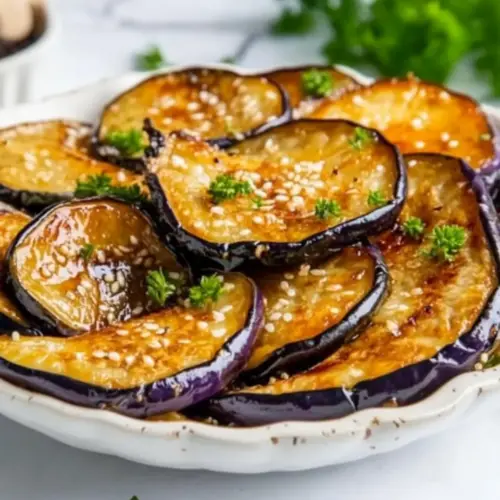
Fry Eggplant with Less Oil
Fry Eggplant with Less Oil offers crispy golden slices with minimal grease, using a light egg white coating and a quick pan fry. This easy, summer friendly method yields tender interiors and crunchy edges, perfect for an easy weeknight dinner or a casual gathering. Try it to enjoy a lighter take on fried eggplant that still feels indulgent.
Equipment
- nonstick skillet
- Colander
- Whisk
- Tongs
- Thermometer
Ingredients
- 1 pound eggplant, about 1 medium Slice into rounds or cubes and provide bulk and a meaty texture that soaks up flavors during cooking; helps form the main body of the dish and browns attractively when fried.
- Salt and pepper Season liberally to enhance overall flavor and help draw out excess moisture from the eggplant; balance saltiness with pepper for a subtle heat and complexity.
- 2 large egg whites Whisk until slightly foamy and create a light coating that reduces oil absorption while promoting a golden exterior; helps pieces crisp without heavy batter.
- Oil with a high smoke point for frying (grapeseed, avocado, and peanut oil work well) Choose a high smoke point oil to safely achieve hot frying temperatures, facilitate even browning, and prevent off-flavors while using less oil overall.
Instructions
- Slice the eggplant into 1/2 inch rounds. Place the rounds in a colander and sprinkle them with salt (sea salt, kosher salt, any kind of salt will work). Make sure each eggplant round has a thin sprinkling of salt on it. Let the slices sit for 20-30 minutes until beads of liquid form on the surface. This process helps to remove any bitterness that may be present in the eggplant. Note that if you're using smaller eggplant pieces here, like Japanese eggplant, they are very rarely bitter and likely will not need salting. I usually use a medium-sized eggplant in this preparation because I like the size of the slices it produces for frying.: The smell of fresh eggplant is faintly vegetal and mildly sweet, and as you slice, you want uniform thickness so heat penetrates evenly. A consistent one half inch slice gives a tender center while allowing the exterior to crisp without overcooking. When you slice, listen for the slight resistance of the knife and watch the flesh be cleanly cut, not mashed. Why this matters, the even thickness prevents thin edges from burning while the middle is still raw. One common mistake is inconsistent slices, which causes some pieces to finish too quickly and others to remain underdone. Use a sharp knife and steady hand to avoid jagged edges that brown irregularly.
- Rinse the eggplant pieces thoroughly to remove the salt. Pat dry and spread out on a cutting board. Sprinkle the eggplant slices lightly with salt. The salt from the colander will be mostly gone after rinsing; if you're salt sensitive, you can skip adding salt at this point and add to taste after frying. Sprinkle the slices lightly with black pepper (also optional, but recommended). Whisk the two egg whites in a small bowl for about 60 seconds. Brush the seasoned eggplant slices with a THIN layer of egg white, making sure the entire white surface of the slice is coated. Turn the slices and brush the other side with another thin layer of egg white, so all white surfaces of the slices are covered with egg white.: Salt draws out excess moisture, which is the secret to preventing soggy frying. As the slices sit you will notice tiny beads of liquid forming on the surface, a sign the process is working. The texture changes subtly, the flesh becoming slightly firmer to the touch. This step improves browning because less water means the surface can heat and caramelize rather than steam. A typical error here is skipping the resting time, which often leads to oily, limp slices. Allow the full twenty to thirty minutes and be patient for better texture.
- Heat 1/4 inch of grapeseed oil in a nonstick skillet over medium until hot enough for frying. The ideal temperature for frying eggplant is about 365-375 degrees F. The best way to monitor the temperature is to use a deep fry or candy thermometer; or, you can drop a small piece of bread into the oil. If it takes 60 seconds to brown, the oil temperature is perfect for frying. Heat up the oil while you're brushing the eggplant slices with egg white to save on time!: Rinsing removes excess surface salt so the final seasoning is balanced. After rinsing, pat each slice dry with a towel and spread them out on a cutting board, feeling for surface moisture. Too much leftover water will interfere with browning, creating sputtering oil and uneven color. The reason this is important is to avoid over salting and to ensure the slices take the egg white coating evenly. A common oversight is leaving them damp, which will cause the coating to slip off and the oil to spatter more vigorously.
- Place 3 slices gently into the hot oil (do not cook more than 3-4 slices per batch, or the oil temperature will drop). Careful, it may splatter a bit, especially during the first minute or so of cooking. Let the slices fry for 2-3 minutes on each side until golden brown. Remove slices from the hot oil and drain on a drying rack or paper towel.: A light dusting at this point seasons the interior without overpowering it. You will detect a faint seasoning as you move pieces around, and the pepper adds subtle heat. The purpose is to fine tune flavor after rinsing, since the earlier salting was functional rather than flavor forward. Many people make the mistake of over salting during both stages, so taste a small piece after frying and adjust future batches accordingly.
- Whisk the two egg whites in a small bowl for about 60 seconds: Whisking aerates the egg whites , making them easier to brush on and more likely to set quickly when they hit hot oil . You want them slightly frothy, not stiff, so they spread in a thin film that crisps into a light crust. The visual cue is small bubbles and a glossy sheen. Skipping whisking can result in a patchy coating that does not adhere well, causing uneven browning and higher oil absorption.
- Brush the seasoned eggplant slices with a thin layer of egg white: Coat the entire surface on both sides with a delicate film of egg white . The touch should be gentle, and the brush strokes even, so the coating is consistent across the slice. This layer creates the crisp exterior while reducing oil uptake, giving you a golden edge without heavy batter. A typical mistake is applying a thick coat, which can clump and steam instead of crisping, so aim for barely there coverage to get the best crunch.
- Heat 1/4 inch of grapeseed oil in a nonstick skillet over medium until hot enough for frying: When the oil shimmers and a thermometer reads about 365 to 375 degrees F, the surface is ready. If you don't have a thermometer, drop a small piece of bread in; if it browns in about sixty seconds the temperature is ideal. The oil should make a soft sizzle when you approach it but not smoke. This balance is crucial because too cool oil soaks into the food and too hot oil burns the exterior before the interior cooks. A common error is overcrowding the pan which drops the oil temperature and yields greasy slices; work in small batches to avoid that.
- Place 3 slices gently into the hot oil: Listen for an initial crisping hiss as the coating meets the hot oil , and watch the edges begin to turn golden. I usually place only three to four slices at a time so the oil temperature remains steady. The visual cue to watch for is even browning along the edges and an audible, steady sizzle rather than frantic popping. Too many pieces at once will lower the pan temperature and lead to soggy results, which is the most common mistake here. Give each slice room so hot oil circulates around it.
- Let the slices fry for 2 to 3 minutes on each side until golden brown: During frying the aroma becomes nutty and inviting, and the surface takes on an even golden brown color. Flip once when the first side is deeply colored and releases easily from the pan; a sticky surface means it needs more time. The sound should shift from active to steadier as moisture leaves the slice. This timing matters because it creates a crunchy exterior while keeping the center tender. An error to avoid is flipping too often, which interrupts browning and increases oil absorption, so be patient and let the crust form.
- Remove slices from the hot oil and drain on a drying rack or paper towel: After frying, the surface will be crisp and slightly glossy, and placing the slices on a rack helps air circulate so they stay crisp rather than steaming on a flat surface. If you use paper towels, blot gently to remove excess oil. This resting moment allows the texture to set and prevents sogginess. A frequent mistake is stacking slices, which traps steam and softens the crust, so arrange them in a single layer as you finish each batch.
Notes
- Use a different high smoke point oil — If you prefer, swap grapeseed for avocado or peanut oil, each gives a slightly different mouthfeel while still allowing high temperature crisping.
- Adjust slice thickness — Thinner slices will crisp faster and become more delicate, while thicker rounds will be meatier inside, so choose thickness to match your texture preference.
- Try seedless shaping — Trim the ends and peel in stripes if you want a milder flavor and smoother texture, just be mindful of reduced structural integrity.
- Season after frying if sensitive to salt — If you watch sodium, skip the second salt step and add a light sprinkle after frying to taste, this prevents over seasoning.
- Keep a thermometer handy — Monitoring oil temperature helps prevent burning and reduces oil absorption, giving more consistent batches.