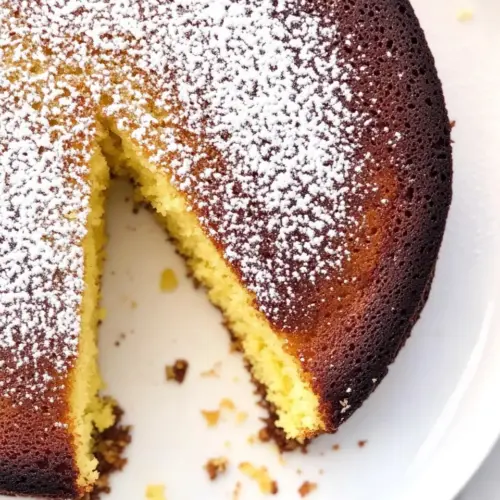
French Yogurt Cake
French Yogurt Cake is a tender, creamy loaf style dessert with a moist crumb and bright berry topping. The combination of Greek plain yogurt and extra virgin olive oil yields a delicate texture, while fresh blackberries and raspberries add zing. Ideal for brunch or an easy weeknight dessert, this cake is simple to mix and impressive to serve.
Equipment
- Medium Bowl
- 9-inch Springform Pan
- Spatula
- Whisk
Ingredients
- 4 oz (120 g) blackberries Provide bright tartness and juicy texture when simmered or tossed with sugar; contributes vibrant color and pairs well with other berries in toppings or fillings. Offer vitamins and slight acidity that balance sweetness in the cake while adding fresh bursts in each bite.
- 4 oz (120 g) raspberries Bring delicate sweet-tart flavor and soft, seedy texture to the fruit topping or swirled into batter; complement blackberries for a layered berry profile. Contribute moisture and natural sugars that enhance the cake’s freshness without overwhelming the crumb.
- 1 tablespoon lemon juice Add sharp citrus acidity to macerate berries and brighten overall flavor; help release berry juices and balance sweetness in the topping. Offer a clean, zesty note that lifts the richness of yogurt and olive oil in the cake.
- 1 tablespoon sugar Provide quick sweetening power for macerating berries or balancing acidity; dissolve easily to draw juices from fruit and create a syrupy glaze. Allow control over the overall sweetness of the fruit component without altering texture significantly.
- powdered sugar, for dusting Offer a delicate sweet finish and attractive presentation when dusted over the cooled cake; help temper the tartness of berries and highlight the cake’s surface. Enhance perceived sweetness without additional mixing or altering the recipe chemistry.
- 3/4 cup Greek plain yogurt Contribute creamy tang and moisture while acting as a partial fat substitute, producing a tender crumb and subtle acidity that reacts with leaveners. Add richness and structure to the batter while keeping the cake soft and slightly dense in a classic French style.
- 3 large eggs Provide lift and structure through coagulation when beaten into the batter; incorporate air for volume and help set the cake as it bakes. Offer richness and contribute to the cake’s color, mouthfeel, and overall stability.
- 3/4 cup sugar Sweeten the batter and promote browning during baking; help dissolve into the wet ingredients to create a uniform crumb and tender texture. Influence moisture retention and caramelization, enhancing flavor depth throughout the cake.
- 1 teaspoon vanilla extract Impart floral, fragrant sweetness to the batter; enhance and round out the overall flavor profile without adding additional moisture. Work in small amounts to elevate the cake’s aroma and harmonize with the tangy yogurt and fruity notes.
- 1 1/2 cups all-purpose flour Provide bulk and structure as the primary dry component, forming the gluten network that supports the cake; determine crumb texture and density. Combine with leavening and liquids to create a cohesive batter that bakes into a tender, sliceable cake.
- 2 1/2 teaspoons baking powder Deliver chemical leavening power to generate lift and lightness by producing gas bubbles during baking; ensure an even rise and fine crumb when properly mixed. Counteract the yogurt’s acidity and eggs’ weight to produce a balanced, airy texture.
- 1/2 teaspoon salt Contribute subtle savory balance to the sweet batter and enhance other flavors by suppressing bitterness; help strengthen gluten slightly and regulate yeast activity in recipes where relevant. Provide necessary seasoning to prevent a flat-tasting cake and improve overall flavor clarity.
- 1/2 cup extra virgin olive oil Offer moistness and richness as a liquid fat that yields a tender, slightly fruity-flavored crumb; help emulsify the batter for a smooth texture and even rise. Serve as a lighter alternative to butter while maintaining moistness and contributing to a soft, delicate mouthfeel.
Instructions
- Combine the blackberries, raspberries, lemon juice, and sugar in a medium bowl. Stir gently to lightly coat the berries without mashing them. Cover and place in the fridge.: The berries should smell bright and fresh as you mix in the lemon juice and sugar , and you will notice a faint glossy sheen as the sugar begins to draw out juices. This short rest in the fridge concentrates flavors and prevents the fruit from bleeding into the batter when served, which preserves pretty presentation. One common mistake is stirring too vigorously and mashing the fruit, which yields a muddy topping. Keep your motions gentle and check the bowl visually for intact berries and a slight syrup forming at the bottom.
- Preheat the oven to 350°F (175°C) and grease a 9-inch (23 cm) springform pan.: As the oven comes to temperature you should smell the dry, warm air from the preheating chamber, an olfactory cue that it is ready. Proper greasing prevents sticking and ensures clean removal, so coat the pan evenly with oil or butter and add a parchment round if you like. A mistake to avoid is skipping the greasing step, which can tear the cake when unmolding; also ensure the oven actually reaches temperature before baking, because underheated ovens slow rise and alter texture.
- In a medium mixing bowl, whisk together the yogurt, eggs, sugar, and vanilla. Add the flour, baking powder, and salt, and stir just until combined. Using a spatula, fold in the oil until you have a thick, shiny batter.: As you stir, notice the batter becoming glossy and cohesive, with no streaks of flour. The initial whisking dissolves the sugar slightly and blends the eggs for lift, while the gentle folding of extra virgin olive oil preserves air bubbles that help the cake stay airy. Overmixing after adding the flour is a common error that can develop gluten and toughen the crumb; stop mixing as soon as the components are homogenous, and the batter should still be slightly fluid yet weighty on the spatula.
- Pour the batter into the prepared pan and bake for 35–40 minutes, or until a toothpick inserted into the center of the cake comes out clean. Allow the cake to cool for 10 minutes before removing it from the pan.: While baking you will see the top become pale golden and the edges pull slightly away from the pan, and you may notice a gentle dome forming. The fragrance will shift from a raw batter scent to warm, baked aroma that hints at vanilla and olive oil. Use the toothpick check near the center to confirm doneness; if the toothpick shows wet batter, return the cake to the oven for a few more minutes. A frequent mistake is opening the oven repeatedly to check, which lets heat escape and can cause uneven rise; try to minimize door openings and rely on visual cues.
- To serve the cake, lightly dust the top with powdered sugar and mound the berries on top.: The powdered sugar will add a soft matte contrast to the glossy berries, and piling the fruit creates an inviting burst of color and texture. As you arrange the berries, you can spoon any accumulated syrup over the slices for extra shine. Beware of adding the berries too early while the cake is still warm, because the heat will soften them excessively and make the topping runny; a brief cooling period preserves structure and presentation.
- Cut the cake into slices and serve with whipped cream, if desired.: When slicing, use a sharp knife and make clean strokes to avoid compressing the crumb; the cake should release with a tender pull and display a softly set interior. If you choose to add whipped cream, it adds a creamy counterpoint to the fruit and enhances the sense of indulgence. A common misstep is cutting the cake while it is still piping hot, which can cause collapsing or crumbly slices, so wait until it is warm rather than hot for the best texture.
Notes
- Choose mild extra virgin olive oil: A lighter flavored oil will keep the cake tender without imparting a strong olive taste, which preserves the subtle yogurt character.
- Measure flour accurately: Spoon flour into the measuring cup and level it, or better yet, weigh it to avoid a dense crumb from too much flour.
- Do not overmix after adding flour: Stir just until combined; overworking the batter will develop gluten and make the cake chewy rather than tender.
- Use room temperature eggs: They incorporate more smoothly and help the batter achieve even texture and better rise.
- Rest berries briefly: Macerating the berries with lemon juice and a touch of sugar improves their flavor and prevents them from bleeding into the cake when served.