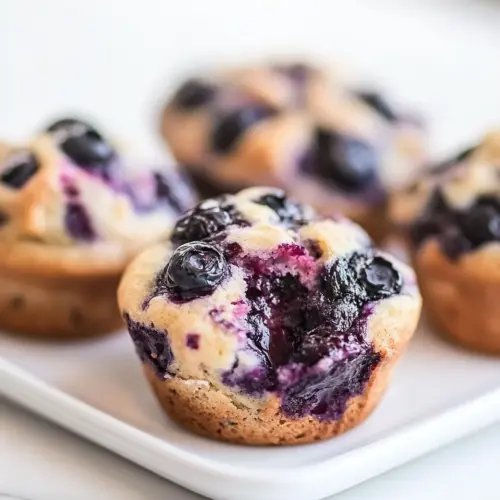
Fosters Market Blueberriest Muffins
Fosters Market Blueberriest Muffins are tender, bright, and bursting with juicy blueberries. The mellow richness from melted butter and the zing of fresh lemon create a perfectly balanced muffin, ideal for breakfast or easy brunch gatherings. Make a batch for a crowd or freeze extras for quick mornings, these muffins stay moist and flavorful.
Equipment
- Mixing Bowls
- Muffin Tin
- Paper liners
- Large ice cream scoop
- Food Processor (optional)
Ingredients
- 3 cups all-purpose flour Provides structure and bulk to the muffin batter by forming the gluten network when mixed with wet ingredients; sifts easily and combines with leaveners to yield tender crumb. Helps absorb moisture and supports rise while contributing to overall mouthfeel and chewiness when baked.
- 1 cup granulated white sugar Adds sweetness and helps tenderize the crumb by interfering with gluten formation; caramelizes lightly during baking to enhance crust color and flavor. Also contributes to moisture retention and balances the tartness of blueberries and lemon.
- 2 teaspoons baking powder Leavens the batter by producing carbon dioxide when activated, creating lift and lightness in the muffins; reacts with liquids and heat to expand air pockets. Ensures an even rise and prevents dense, heavy texture when properly measured and distributed.
- 1 teaspoon ground cinnamon Warms and complements the fruit flavors while adding aromatic depth; enhances perceived sweetness and complexity in each bite. Blends well with cinnamon’s volatile oils to enrich the muffin’s fragrance and overall flavor profile.
- 1/2 teaspoons salt Balances flavor and strengthens gluten slightly while regulating yeast activity in recipes that need salt; enhances overall taste by suppressing bitterness and elevating sweetness. Also contributes to proper seasoning so the muffins taste rounded rather than flat.
- 3/4 cup milk Moistens the dry ingredients and creates steam during baking, contributing to tenderness and helping activate leaveners; assists in dissolving sugars and distributing flavors throughout the batter. Provides a neutral dairy base that enriches texture and supports structure without overpowering other flavors.
- 1/2 cup (1 stick) unsalted butter, melted Enriches the batter with fat, promoting a tender, moist crumb and contributing to richer flavor and improved mouthfeel; melted form ensures even incorporation. Aids in browning through fat-mediated caramelization and helps carry the lemon and blueberry flavors.
- 3 large eggs Binds ingredients together, adds richness and moisture, and contributes to structure via coagulated proteins during baking; yolks add fat and lecithin that emulsify batter components. Also helps trap air during mixing to improve lift and gives a golden color to the crumb.
- grated zest and juice of one lemon Brightens flavor with citrus oils from the zest and adds acidity from the juice, which balances sweetness and enhances the fruitiness of blueberries; acid also reacts subtly with leaveners for better rise. Provides aromatic complexity and a fresh, zesty finish that complements the muffin’s richness.
- 2 1/2 cups fresh or frozen blueberries Offers bursts of juicy, fruity flavor and moisture while providing texture contrast within the tender crumb; frozen berries can be used directly but may release extra liquid, while fresh berries maintain firmness. Supplies natural sweetness and color and pairs harmoniously with lemon and cinnamon.
Instructions
- Preheat the oven to 375°F. Line 24 large muffin cups with paper liners and spray the top part of the pan lightly with vegetable oil spray.: The scent of a hot oven signals that you are ready to bake, and preheating to 375°F ensures the muffins get an immediate lift in the heat, creating a domed top. You should feel warmth when you briefly open the oven, and visually the racks should be positioned in the middle so air circulates evenly. The reason this matters is that a properly heated oven gives rapid steam production from the batter, pushing the muffins up. A common mistake is placing the pan in a cool oven, which causes flat, dense muffins. If your oven runs hot, rotate the pan midway to prevent overbrowning on one side.
- In a large bowl, sift together the flour, sugar, baking powder, cinnamon and salt.: As you sift and whisk these dry ingredients, you will notice the mixture lighten in color and feel airy to the touch, which helps produce a delicate crumb. The scent of cinnamon will become more pronounced as you stir it in, and the baking powder will be evenly dispersed to give consistent rise. This step avoids lumps that could create uneven texture, and it prevents pockets of too much leavening. Avoid overworking by combining just until uniform, as beating here can develop gluten and make the muffins chewy.
- In a separate bowl, whisk together the milk, butter, eggs, lemon zest, and lemon juice until well combined.: When you whisk the wet ingredients, the mixture should look glossy and slightly thickened from the eggs and butter . You will smell the bright lemon fragrance and see tiny ribbons of zest. The melted butter integrates with the milk , producing a silky emulsion that helps the batter stay tender. If the melted butter is too hot, it can cook the eggs , so allow it to cool slightly. A frequent error is adding cold milk to hot butter , which can split the mixture, so aim for similar temperatures.
- Place 1 cup of the blueberries in the bowl of a food processor fitted with a metal blade and pulse several times until coarsely chopped. Stir the chopped berries into the egg mixture. (Alternately, you can chop them by hand).: The crushed blueberries release juices and perfume the wet mix, creating small swirls of purple and a fragrance that tells you the batter will be fruity and vibrant. Coarsely chopping gives a jammy component that contrasts with whole berries folded later. If you do not have a food processor, chopping by hand on a board yields similar texture. Watch out for over processing, which makes a slurry and will overly color the batter. If the chopped berries bleed too much, fold them in quickly to keep the batter from taking on a uniform purple hue.
- Add the egg mixture to the flour mixture and stir just until the dry ingredients are moist and blended (do not over mix). Fold in remaining whole blueberries.: You will see streaks of flour disappear as you fold, and the batter should become thick but slightly lumpy, not smooth like cake batter. The visual cue is small pockets of dry flour gone, with an overall uniform color. Gentle mixing preserves air pockets and prevents gluten development, which keeps the muffins tender. A typical mistake is stirring until perfectly smooth, which creates a tight crumb and reduces rise. Stop as soon as no visible dry patches remain to keep the texture light.
- Scoop the batter into the prepared muffin tins with a large ice cream scoop. The batter should come to the top of the paper liner or pan.: As you fold the whole blueberries in, be gentle to avoid crushing them, which would color the batter and create dense spots. You should see bright blue dots suspended in the batter, promising bursts of juice after baking. The tactile feel is slightly heavier now because of the fruit, and the sound of the spoon scraping the bowl will deepen. Avoid over folding, which can break berries and thin the batter. If berries sink to the bottom, fold just enough to distribute them evenly.
- Bake 25 to 30 minutes (shorter if using regular-sized muffin tins), until golden brown and a toothpick inserted in the center comes out clean.: Using a large scoop gives uniform, generously sized muffins and reduces handling. You will notice the batter holding its shape in the liner and small mounds forming that will brown evenly. Filling to the top encourages tall domes as the batter rises. A common error is under filling, which yields small, pale muffins, or overfilling, which can cause spilling. Aim for consistent portions so baking time is even across the tray.
- Remove from the oven and cool for about 5 minutes before turning muffins out of the pan. Serve warm or at room temperature.: As the muffins bake you will smell a warm aroma of butter , lemon , and cinnamon . The tops should turn a golden brown and spring back slightly when pressed. Visual cues include evenly browned edges and tiny cracks at the top where steam escaped. The toothpick test ensures the interior is set and not wet with batter. Avoid opening the oven too early, which can collapse the tops. If the muffin tops brown too quickly, lower the oven temperature slightly to allow the centers to cook through without burning.
- Remove from the oven and cool for about 5 minutes before turning muffins out of the pan. Serve warm or at room temperature: Cooling allows steam to settle and the crumb to set, so when you turn them out they keep their shape. You will feel gentle warmth and notice the aroma intensify as they cool, and the first bite will reveal a tender interior with juicy blueberries . A common slip up is leaving them in the pan too long which can trap moisture and make the bottoms soggy. Serve warm for best texture, or let them reach room temperature for easier transport.
Notes
- Swap berries selectively Use part raspberries, blackberries, or chopped strawberries in place of some blueberries for mixed berry muffins, watching that softer fruits may release more juice so reduce chopped portion slightly.
- Control sweetness Reduce the sugar by up to one quarter if you prefer less sweet muffins, but do note this will affect browning and crumb tenderness slightly.
- Boost citrus brightness Add an extra teaspoon of lemon zest for more aroma without increasing acidity, which lifts the fruit flavor beautifully.
- Freeze for later After cooling, wrap muffins individually and freeze up to three months; thaw at room temperature or warm briefly in an oven for a fresh taste.
- Make smaller servings Use regular sized muffin tins and shorten baking time, checking with a toothpick early to avoid drying them out.
- Use alternative milk Swap the milk for a plant based milk if needed, though texture will vary slightly; almond milk gives a light crumb while oat milk adds body.